
Located in the heart of Southern California, Los Angeles County stands as a monumental geographic and cultural landmark. It is the most populous county in the United States, serving as the engine room for the entertainment industry, technological innovation, and diverse cultural synthesis. For travelers, understanding the scale and placement of this vast region is the first step toward navigating the complexities of its sprawling landscape.
The Geography and Boundaries of the Region
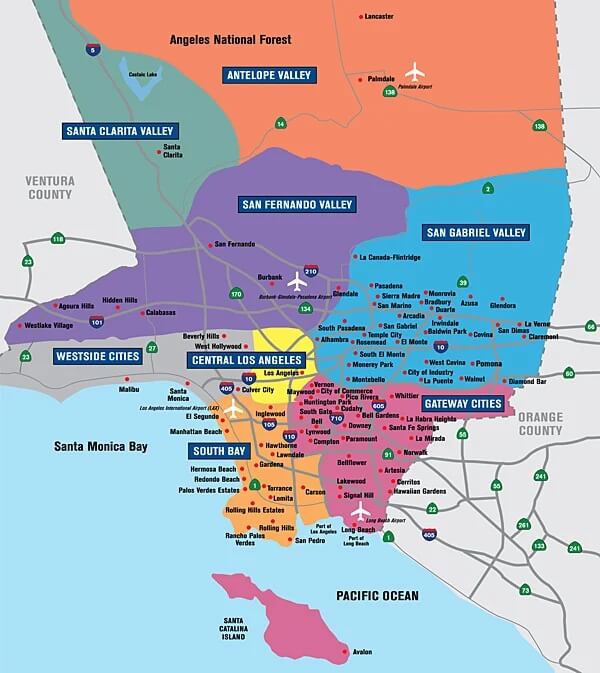
Spanning over 4,000 square miles, Los Angeles County is situated along the Pacific Ocean coast. To the north, the county is hemmed in by the rugged San Gabriel Mountains, which serve as a natural barrier between the urban basin and the Mojave Desert.
Coastal Borders and Inlets
The western edge of the county is defined by its iconic coastline. From the sophisticated shores of Malibu in the north to the bustling Long Beach harbor in the south, the county embraces the Santa Monica Bay. This coastal stretch is the primary gateway for millions of visitors who flock to the sandy beaches each year.
Inland Valleys and Mountain Ranges
Moving inland, the geography shifts from the coastal plain to a series of interconnected valleys, including the San Fernando Valley and the San Gabriel Valley. These areas are separated by mountain ranges that provide a stunning backdrop to the urban sprawl. The Santa Monica Mountains provide a recreational corridor that bisects the region, offering hiking trails and scenic vistas that few other major metropolitan areas can claim.
Major Urban Hubs Within the County
While many people equate the county solely with the City of Los Angeles, the region is actually a tapestry of 88 distinct incorporated cities. Each of these municipalities offers a unique flavor, ranging from high-end luxury enclaves to historic working-class neighborhoods.
The Heart of the Entertainment Industry
The core of the county is undoubtedly the Hollywood district, which functions as the global epicenter for film and media. Just a few miles away, Beverly Hills presents an image of global affluence, defined by the world-famous retail corridors of Rodeo Drive. These areas, while technically within the city limits of Los Angeles, represent the cultural identity that the county projects to the rest of the world.

Diverse Municipalities
Beyond the city center, other municipalities define the county’s character:
- Pasadena: Famous for its architecture and the annual Rose Bowl game.
- Santa Monica: A premier destination known for its iconic pier and proximity to the ocean.
- Culver City: A historic hub for movie studios that has evolved into a modern tech and culinary destination.
- Burbank: Often referred to as the “Media Capital of the World” due to the presence of major production lots like Warner Bros Studio.
Navigating the Scale of the County
Understanding where the county is requires an appreciation for its sheer size. It is not a place that can be easily traversed in a single day, especially given the density of the Los Angeles freeway system.
The Role of Transportation
The Interstate 5 acts as the primary north-south artery, connecting the county to Northern California and the Pacific Northwest. Meanwhile, the 101 Freeway weaves through the mountains, linking the central urban areas with the northern suburbs. For those traveling by air, Los Angeles International Airport serves as the primary gateway, conveniently situated along the coast, effectively anchoring the southern portion of the region.
Planning a Visit
For a visitor, “where” the county is depends heavily on what experience one is seeking. If the goal is a beach vacation, one should look toward Manhattan Beach or Venice Beach. If the goal is culture and museums, the Downtown Los Angeles area, including the The Broad and Walt Disney Concert Hall, is the focal point. Because of the vast distances, seasoned travelers typically focus on one “cluster” of the county per visit to avoid excessive time spent in traffic.
Environmental and Cultural Context
The location of Los Angeles County at the edge of the continent contributes to its unique Mediterranean climate. This climate is a major factor in the lifestyle of its residents and the expectations of its visitors.
The Mediterranean Advantage
With mild winters and warm, dry summers, the geography allows for year-round outdoor activity. From the slopes of Mount Baldy in the winter to the warm sands of Malibu Beach in the summer, the county provides a range of environments within a relatively short driving radius. This is a rare geographical feature that allows a person to potentially surf and ski on the same day during certain times of the year.

Cultural Synthesis
Because the county is situated at a crossroads between the United States and Mexico, and serves as a major port for trans-Pacific trade with Asia, it acts as a melting pot. This is reflected in its diverse neighborhoods like Koreatown, Little Tokyo, and Boyle Heights. To know where the county is, one must recognize that it is not just a coordinate on a map, but a global hub of intersectional cultures.
In summary, Los Angeles County is a vast, multifaceted region that occupies a critical space in the American West. It balances the beauty of the Pacific Coast with the intensity of an urban metropolis. For those curious about its location, it is best defined as the place where the mountains meet the sea, serving as the definitive cultural and economic heart of California. Whether one is exploring the glitz of West Hollywood or the natural beauty of the Angeles National Forest, the county offers a staggering amount of depth for any traveler willing to explore its many corners.
LifeOutOfTheBox is a participant in the Amazon Services LLC Associates Program, an affiliate advertising program designed to provide a means for sites to earn advertising fees by advertising and linking to Amazon.com. Amazon, the Amazon logo, AmazonSupply, and the AmazonSupply logo are trademarks of Amazon.com, Inc. or its affiliates. As an Amazon Associate we earn affiliate commissions from qualifying purchases.