
The history of the Los Angeles Lakers is a storied tapestry of relocation, triumph, and the evolution of American sports culture. To understand why a team synonymous with the sun-drenched, palm-lined streets of California bears a name rooted in aquatic geography, one must look far beyond the Pacific Ocean and the Santa Monica Pier. The moniker is a relic of a different era and a different climate, serving as a permanent reminder of the franchise’s origins in the American Midwest.
The Origins in the North Star State
The genesis of the team dates back to 1947, long before the franchise established its modern dynasty at the Crypto.com Arena. The team was founded in Minneapolis, [Minnesota], a city famously known as the “Land of 10,000 Lakes.” When the team was purchased and moved to this northern hub, the owners sought a name that would resonate with the local identity.

Geography as Identity
In the mid-20th century, sports teams were frequently named after the defining characteristics of their home regions. In Minnesota, the landscape is defined by its glacial heritage, featuring an abundance of freshwater lakes that serve as the focal point for tourism, recreation, and local pride. By adopting the name “Lakers,” the franchise immediately tethered itself to the state’s most recognizable geographic feature. It was a branding choice that emphasized the team’s connection to its home turf, much like the Detroit Pistons reflected that city’s automotive industry or the Pittsburgh Steelers highlighted the region’s steel mills.
A Legacy Established in the Cold
During their time in Minneapolis, the Minneapolis Lakers enjoyed immense success, dominating the early years of the Basketball Association of America—the precursor to the National Basketball Association. Led by hall-of-fame center George Mikan, the team won five championships within their first six years. By the time the franchise decided to move, the “Lakers” brand had already become synonymous with excellence and a winning tradition.
The Transition to the West Coast
In 1960, the franchise made the monumental decision to move to the West Coast. At the time, the United States was undergoing a significant shift in population and entertainment influence. The allure of Hollywood and the burgeoning growth of Los Angeles presented an irresistible opportunity for professional sports organizations.
Why Keep the Name?
It is a common question among fans: why would a team move to a city known for its arid climate and urban sprawl and retain a name that implies an abundance of lakes? The answer is twofold: marketing legacy and brand equity.
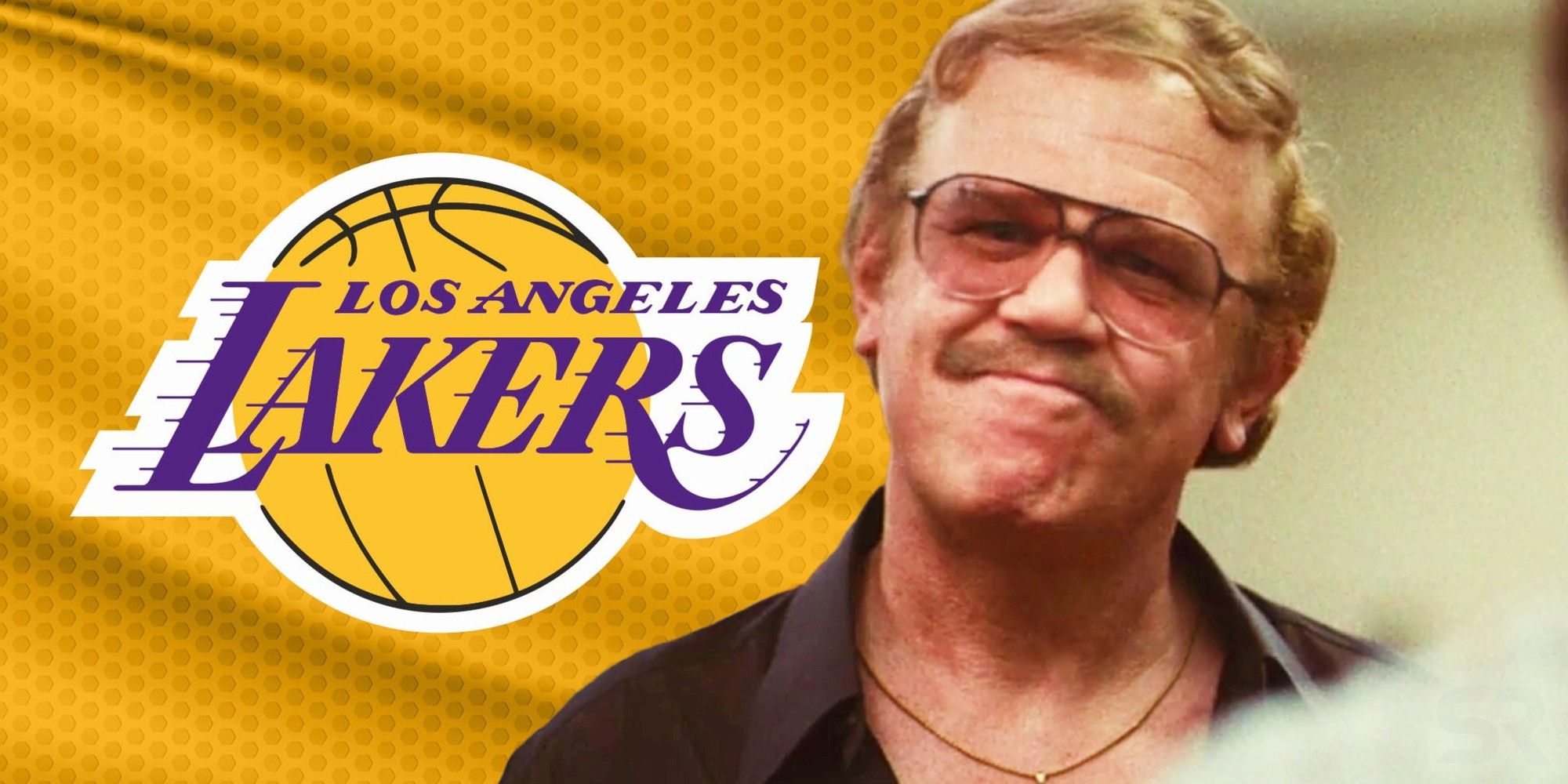
By 1960, the “Lakers” brand was already a household name. Fans across the country recognized the blue and gold colors—though the colors would later evolve—and the reputation associated with the name. Changing the team name would have meant forfeiting years of brand recognition and established history. Furthermore, the name “Lakers” has a rhythmic, iconic quality that fits the NBA landscape perfectly. While there are certainly lakes in the Greater Los Angeles Area, such as Echo Park Lake or Silver Lake, the name has long since transcended its literal geographic meaning to become a proper noun representing the team itself.
Cultural Integration and the Hollywood Connection
Once the team arrived in Southern California, it became an integral part of the local culture. The franchise evolved alongside the city, moving from the Los Angeles Memorial Sports Arena to the Great Western Forum in Inglewood, and finally to the heart of downtown Los Angeles. The “Lakers” identity merged with the glitz of the entertainment industry, attracting celebrities, movie stars, and industry moguls to courtside seats. The name became a symbol of status, luxury, and the competitive spirit of the city.
The Evolution of the Brand
Over the decades, the Los Angeles Lakers have refined their aesthetic, but the name remains constant. The continuity provided by the name acts as a bridge between the humble beginnings in the Midwest and the global powerhouse the franchise has become today.
Symbolism in the Modern Era
Today, when fans visit California to watch a game, they aren’t thinking about the 10,000 lakes of Minnesota. They are thinking about the “Showtime” era, the dominance of Kobe Bryant, and the championship banners hanging in the rafters. The name “Lakers” has been effectively recontextualized. It no longer represents the frozen winters of the Midwest; it represents the golden sunsets of Santa Monica and the relentless pursuit of perfection in professional basketball.
Preservation of Sports History
The decision to retain the name is a masterclass in brand preservation. In a landscape where teams often rebrand to reflect temporary trends or new ownership groups, the Los Angeles Lakers stand as a testament to the power of tradition. By holding onto the name, the franchise acknowledges its ancestors while simultaneously carving out a unique identity in the Western United States. It reminds fans and players alike that the organization is built on a foundation of historical success, regardless of the zip code.

Looking Back to Move Forward
The story of the Los Angeles Lakers name is a fascinating case study in sports geography and branding. It is a reminder that cities are fluid, and identities are often forged in one place before maturing in another.
For the millions of fans who flock to the Downtown Los Angeles area each year, the name is simply a rallying cry. It evokes memories of legendary performances and the unique energy of the city. While the literal definition of the word refers to bodies of water—an ironic twist given the semi-arid climate of Southern California—the name “Lakers” has been reclaimed by the city of Los Angeles.
Ultimately, the name serves as a bridge, connecting the cold, lake-dotted plains of Minneapolis to the vibrant, urban landscape of California. It is a unique piece of American heritage that survives not because of geography, but because of the spirit of the people who represent the purple and gold. As the franchise continues to evolve, the name remains a constant—a permanent fixture in the history of global sports, reminding us that even if you move across the continent, you carry your story with you. Whether you are walking through the Griffith Observatory or enjoying the view from Venice Beach, the legacy of the Los Angeles Lakers remains an indelible part of the California experience.
LifeOutOfTheBox is a participant in the Amazon Services LLC Associates Program, an affiliate advertising program designed to provide a means for sites to earn advertising fees by advertising and linking to Amazon.com. Amazon, the Amazon logo, AmazonSupply, and the AmazonSupply logo are trademarks of Amazon.com, Inc. or its affiliates. As an Amazon Associate we earn affiliate commissions from qualifying purchases.