
When travelers imagine the iconic landscapes of the United States, the towering, snow-capped peaks of the Rocky Mountains or the ancient, mist-covered ridges of the Appalachian Mountains often come to mind. However, when the focus shifts to the deep south, specifically the bayous and coastal plains of Louisiana, the geography changes dramatically. For those planning a trek through this vibrant state, the question often arises: are there mountains in Louisiana?
The short answer is no. Louisiana is famously flat, characterized by its low-lying alluvial plains, vast wetlands, and river deltas. Yet, “flat” does not mean featureless. While you will not find high-altitude alpine climbs here, the state boasts a unique geological profile that offers its own brand of natural wonder, from rolling hills in the north to the sprawling coastlines of the Gulf of Mexico.
Understanding the Topography of the Pelican State
To truly appreciate the landscape, one must look at the geological forces that shaped the region. Louisiana is part of the Gulf Coastal Plain, a wide, relatively level area that was formed largely by sediment deposits from the Mississippi River.
The Myth of Elevation
Because much of the state sits at or below sea level, any slight rise in elevation becomes significantly more noticeable to the local eye. In places like New Orleans, where the ground is notoriously soft and low, a mound of dirt or a small levee can feel like a climb. This perception has occasionally led to historical misconceptions regarding the existence of “mountains” in the state, but from a geological standpoint, Louisiana does not possess mountain ranges, peaks, or even significant mountain foothills.
The Highest Point: Driskill Mountain
If you search for the highest point in Louisiana, you will find Driskill Mountain. Located near Bienville, this landmark stands at approximately 535 feet above sea level. While it carries the name “mountain,” it is technically a high hill or a ridge. For experienced hikers who frequent the Sierra Nevada, Driskill Mountain is a gentle stroll rather than a summit attempt, but it remains a point of local pride and a popular destination for those interested in state high-pointing.
Exploring the Natural Landmarks of Northern Louisiana
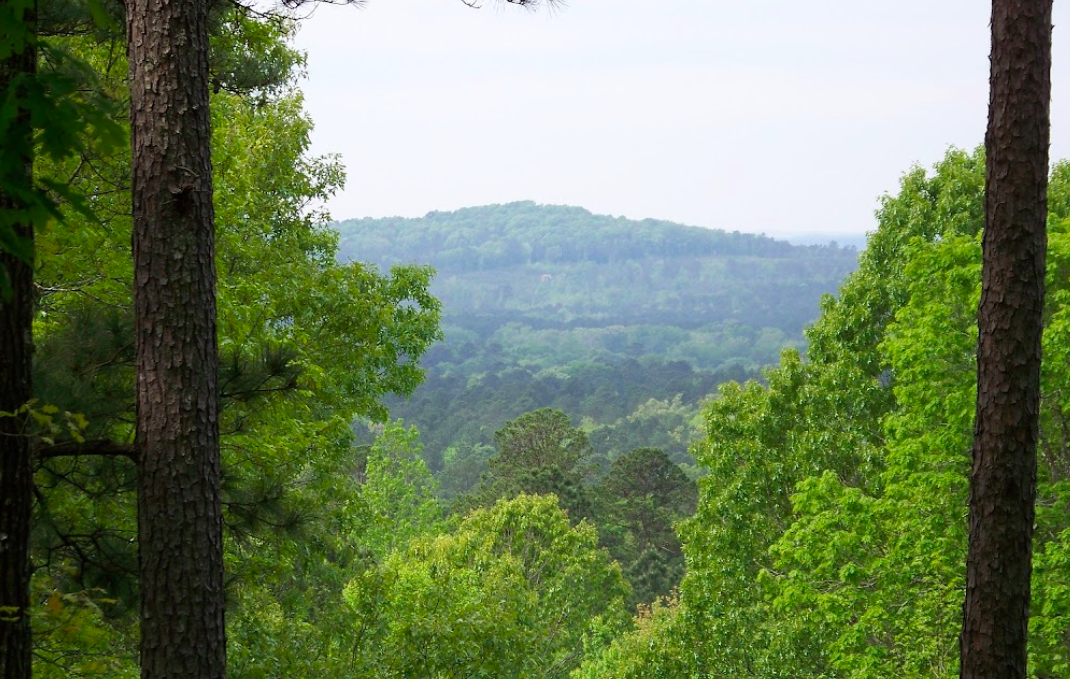
While the state lacks alpine terrain, the northern region of Louisiana offers a topography that starkly contrasts with the swampy south. This is the realm of the Kisatchie National Forest, which provides the most varied terrain in the entire state.
The Kisatchie Wold
The “wold” is a series of rolling, rugged hills that offer hikers and outdoor enthusiasts a change of pace from the flat bottomlands. These hills, carved by ancient erosion, feature pine forests, rocky outcrops, and scenic vistas that are as close to a mountain experience as you will find in this latitude. The Saline Bayou winds through these hilly landscapes, providing a stunning backdrop for canoeing and kayaking.
Why the Landscape Matters for Tourism
The presence of these “uplands” is vital for the state’s ecological diversity. Unlike the marshlands of Acadiana, these northern reaches support different species of flora and fauna, including rare orchids and the red-cockaded woodpecker. For tourists looking for more than just the French Quarter or the nightlife of Bourbon Street, the northern highlands offer a quiet, contemplative escape into nature.
Coastal Geography and the River Delta
As you move away from the slight undulations of the north and descend toward the Atchafalaya Basin, the concept of elevation virtually disappears. This is the heart of the “flat” Louisiana experience, defined not by mountains, but by the relentless flow of water.
The Alluvial Advantage
The lack of mountains is actually a cornerstone of Louisiana’s history and economy. The vast, flat floodplains created the nutrient-rich soil that made the Mississippi Delta the agricultural powerhouse of the 18th and 19th centuries. The landscape is dominated by bayous, oxbow lakes, and coastal marshes, creating a water-based culture that is unique in the United States.
Navigating the Flatlands
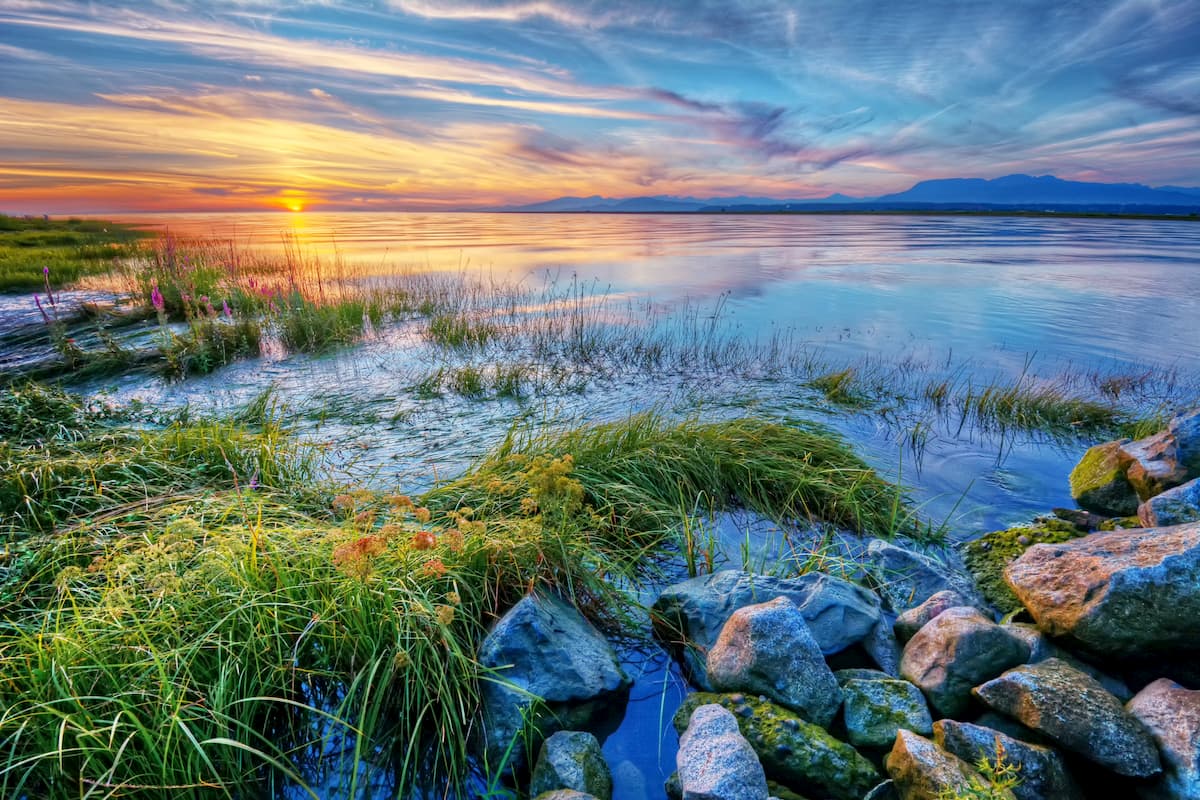
When traveling through southern Louisiana—perhaps on a road trip from Baton Rouge to Lafayette—the horizon is wide and unobstructed. This openness is a defining feature of the local aesthetic. Photographers and artists are often drawn to the way the setting sun hits the flat water of the marshes, creating a mirrored sky that no mountain peak could replicate.
Traveling Without Mountains: A Unique Perspective
A visit to Louisiana should not be judged by the absence of verticality, but by the richness of its horizontal beauty. If you are accustomed to the craggy skylines of the Rocky Mountains, you may initially feel a sense of longing for a summit. However, shift your perspective, and you will find that the state offers experiences that are equally grand.
The Culture of the Lowlands
The lack of mountains meant that development moved along the rivers, leading to the establishment of historic cities like Shreveport and Monroe. The culture here is deeply tied to the land—or, more accurately, the water. The festivals, the cuisine, and the architecture of the Deep South are all products of a geography that encouraged settlement along the riverbanks and in the coastal wetlands.

Planning Your Trip
When preparing your itinerary, focus on the unique activities that only a flat, water-dominated state can offer:
- Swamp Tours: Navigate the cypress-studded waterways to see alligators and wading birds.
- Plantation Visits: Explore the history of the Antebellum South and the sprawling, flat estates that once lined the waterways.
- Cultural Trails: Immerse yourself in the Creole and Cajun heritage that flourishes in the fertile, low-lying plains.
- Nature Hikes: Visit the Wild Azalea Trail to experience the piney woods and rolling hills of the central part of the state, which offers a satisfying, albeit modest, vertical challenge.
In summary, while you will not find rugged, high-altitude mountains in Louisiana, you will find a landscape that is profoundly beautiful in its own way. The state’s history, its vibrant biodiversity, and its distinct cultural identity are all inextricably linked to its flat, water-rich geography. Whether you are climbing the modest slopes of the north or watching the tide roll into the marshes of the south, Louisiana provides a landscape that is deeply memorable, proving that you do not need mountains to reach the heights of a perfect travel destination.
LifeOutOfTheBox is a participant in the Amazon Services LLC Associates Program, an affiliate advertising program designed to provide a means for sites to earn advertising fees by advertising and linking to Amazon.com. Amazon, the Amazon logo, AmazonSupply, and the AmazonSupply logo are trademarks of Amazon.com, Inc. or its affiliates. As an Amazon Associate we earn affiliate commissions from qualifying purchases.