
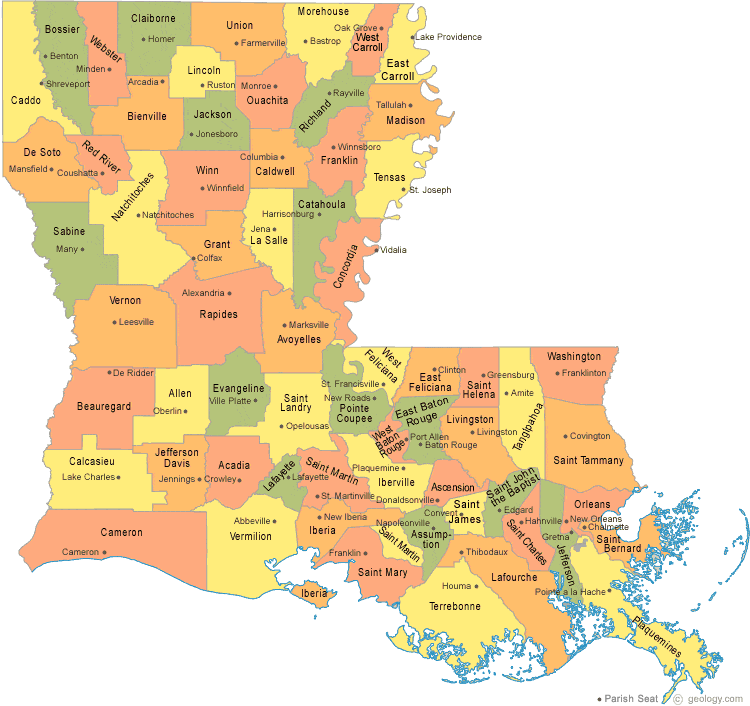
When travelers first begin planning a trip to the deep south of the United States, a common point of confusion arises regarding the political geography of the region. Visitors often look for the “counties” that define the administrative landscape, but in the Pelican State, the terminology is distinct. To answer the question directly: there are no counties in Louisiana. Instead, the state is divided into 64 political subdivisions known as parishes.
Understanding this distinction is the first step toward truly appreciating the unique cultural and historical tapestry of this region. Unlike the rest of the country, where county lines often reflect rigid colonial or expansionist planning, the parishes of Louisiana are rooted in a complex history of ecclesiastical influence, French and Spanish colonial rule, and a commitment to local identity that remains vibrant today.
The Historical Origins of the Parish System
The term “parish” is a relic of the state’s Catholic heritage. During the early colonial period, when the territory was under the control of France and later Spain, the administrative districts were largely organized around the boundaries of church parishes. When the United States acquired the region through the Louisiana Purchase in 1803, the local government systems were already so deeply entrenched in this ecclesiastical framework that they were never reorganized into the county system used by the neighboring Mississippi or Texas.
From Colonial Districts to Modern Parishes
By the time Louisiana achieved statehood in 1812, the transition from church-based boundaries to civil districts was solidified. While the administrative function of a parish is identical to that of a county in other states—providing courts, law enforcement, record keeping, and infrastructure management—the social and cultural weight of the term remains significantly different. Exploring these parishes allows travelers to see how New Orleans differs in governance from the rural expanses of Acadia Parish or the bayou landscapes of Lafourche Parish.
Exploring the Cultural Landscape of the Parishes
Because the parish system is so deeply tied to Louisiana history, the boundaries often encompass distinct cultural identities. For a tourist, moving across a parish line is often equivalent to moving between different cultural worlds. The state is a collection of diverse micro-regions, each with its own rhythm of life, culinary traditions, and linguistic nuances.
The Heart of Acadiana
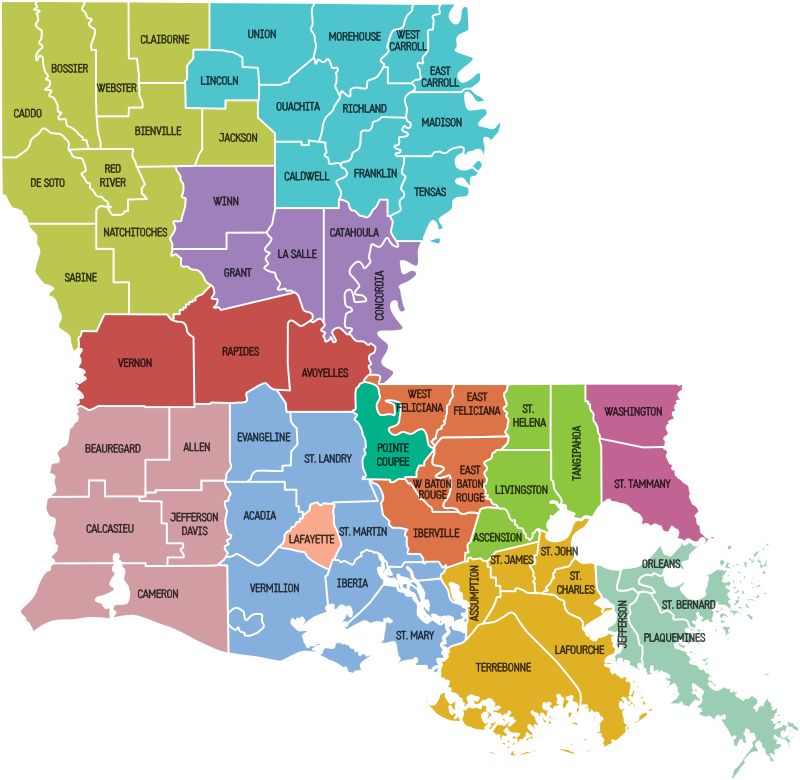
Travelers venturing into the western part of the state will find themselves immersed in Acadiana, a region defined by its strong Cajun roots. Parishes like Lafayette Parish serve as the cultural epicenter for this community. Here, the local government works closely with historical societies to preserve the French language and the unique musical heritage that defines the area. Whether you are attending a fais-do-do in St. Landry Parish or enjoying a crawfish boil in Iberia Parish, the sense of local pride is palpable.
Urban Centers and Economic Hubs
In contrast to the rural, heritage-focused parishes, urban hubs like Orleans Parish operate with the complexity of a major American city. Orleans Parish is unique because its boundaries are coterminous with the city of New Orleans, meaning the city and parish government are consolidated. This creates a streamlined approach to urban planning, tourism management, and cultural preservation, allowing the city to maintain the unique architecture of the French Quarter while managing a modern, thriving economy.
Just across the water, Jefferson Parish offers a different experience, serving as a gateway between the metropolitan amenities of New Orleans and the vast wetlands of the Gulf of Mexico.
Why Parish Boundaries Matter to the Traveler
For the average tourist, identifying which “parish” you are in might seem like a mere trivia point, but it provides significant utility for navigation and experience. Each parish maintains its own sheriff’s department, its own tourism board, and its own unique festivals.
Festivals and Local Governance
When planning a trip, looking at the tourism website for a specific parish can unlock hidden gems that aren’t found in general state guides. For example, St. Martin Parish is known for its incredible historical sites and scenic bayous, while Tangipahoa Parish is famous for its agricultural bounty and strawberry festivals. Because the parish is the primary unit of government, the local festivals, museums, and public parks are funded and promoted at this level. Knowing you are traveling through St. Tammany Parish helps you tap into the specific events calendar for the Northshore region, which is starkly different from what you might find in Calcasieu Parish near the Texas border.
Navigating the Diversity of the 64 Parishes
The geography of Louisiana is defined by its water, and the parishes are often delineated by the rivers and basins that shape the landscape. From the Mississippi River floodplains to the coastal marshes, the administrative divisions have evolved to accommodate the challenges of living near the water.
Rural vs. Metropolitan Experiences
While East Baton Rouge Parish functions as the seat of state government and a bustling capital region, it is surrounded by parishes that offer a quiet, contemplative view of southern life. Exploring these, such as Pointe Coupee Parish, allows travelers to escape the high-energy atmosphere of Baton Rouge and step back in time. You will find that the architecture changes, the food seasoning shifts, and the pace of conversation slows down as you traverse these lines.
Preservation and Identity
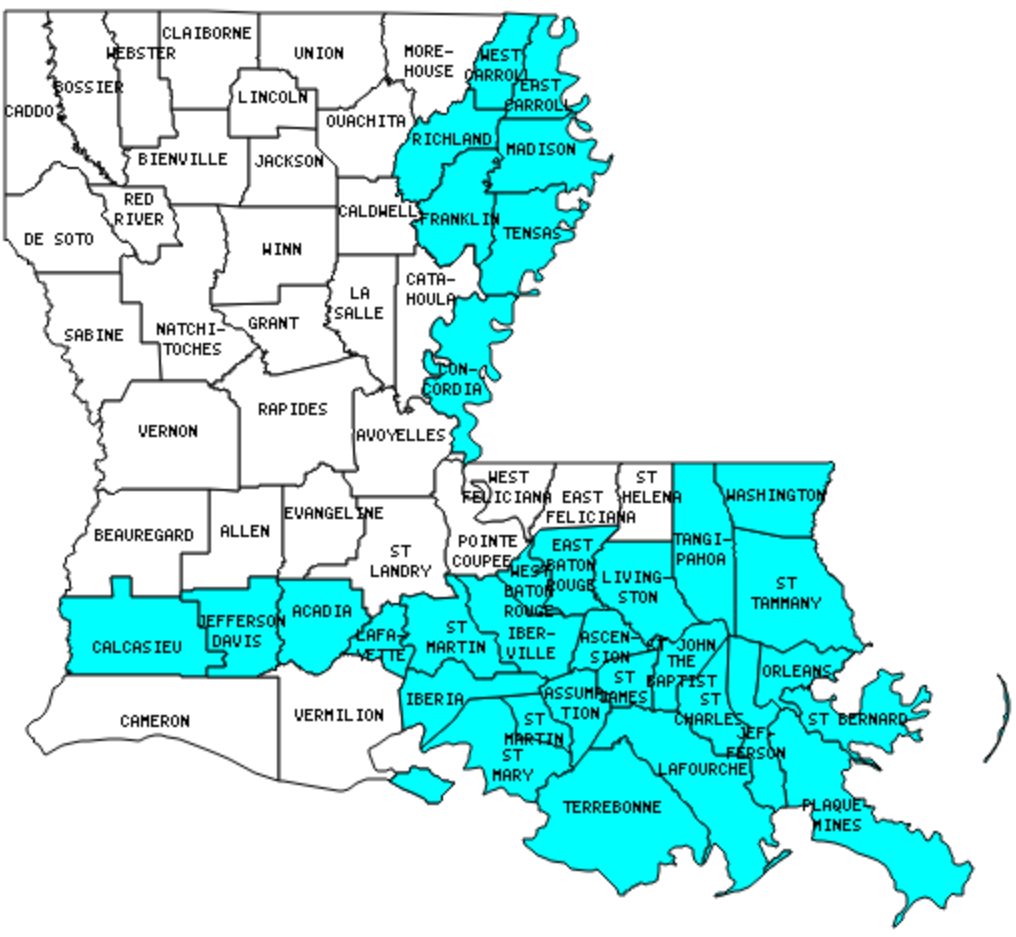
The decision to retain the name “parish” rather than switching to “county” is a powerful statement about identity. It reflects a population that honors its past while navigating the future. By maintaining these 64 distinct divisions, Louisiana keeps a sense of scale that prevents the state from becoming a monolith. Each parish remains a manageable unit where local culture—be it the music of the Mississippi Delta or the coastal fishing traditions of the Gulf Coast—is nurtured and celebrated.
When you pack your bags for the Southern United States, remember that you are entering a land of parishes. Whether you are wandering through the historic streets of Natchitoches Parish or exploring the vibrant coastal life in St. Bernard Parish, take the time to notice how the local culture is tied to the parish name. It is this attention to detail that transforms a simple vacation into a genuine, immersive experience in one of the most culturally unique regions in the Western Hemisphere.
LifeOutOfTheBox is a participant in the Amazon Services LLC Associates Program, an affiliate advertising program designed to provide a means for sites to earn advertising fees by advertising and linking to Amazon.com. Amazon, the Amazon logo, AmazonSupply, and the AmazonSupply logo are trademarks of Amazon.com, Inc. or its affiliates. As an Amazon Associate we earn affiliate commissions from qualifying purchases.