
When planning a trip to the bayous, marshes, and coastal estuaries of Louisiana, angling is almost always at the top of the itinerary. Known for its world-class redfish, speckled trout, and largemouth bass, the “Sportsman’s Paradise” offers a diverse aquatic landscape that draws enthusiasts from across the globe. However, before casting a line into the waters of the Gulf of Mexico or the Atchafalaya Basin, it is essential to understand the licensing requirements set forth by the Louisiana Department of Wildlife and Fisheries. Ensuring you have the proper documentation is not just a legal requirement; it is a vital contribution to the conservation of the state’s rich natural heritage.
Understanding Basic Licensing Requirements
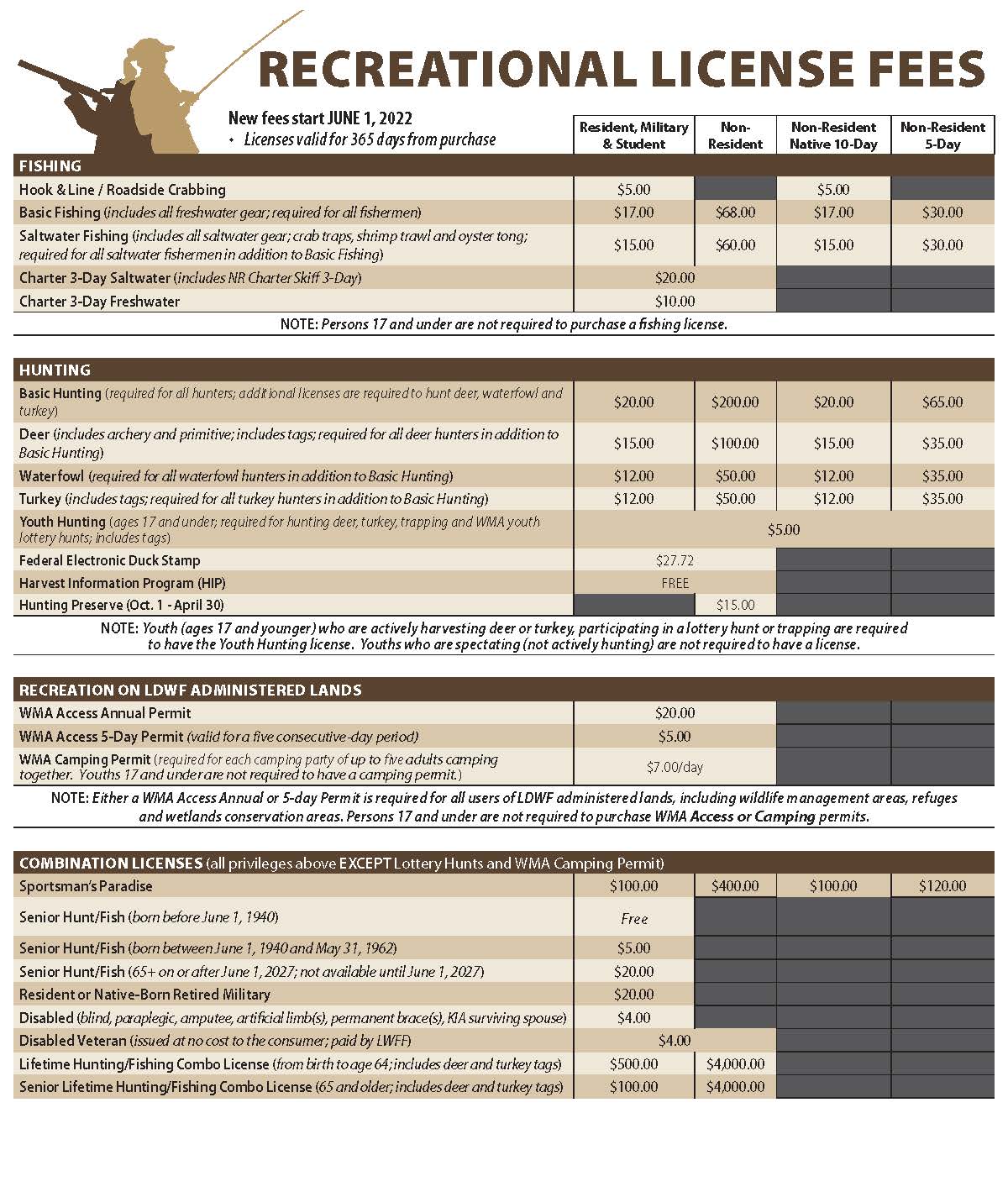
In Louisiana, both residents and non-residents are generally required to possess a valid recreational fishing license to take fish, crawfish, or other aquatic species from state waters. The structure of these licenses is designed to accommodate different types of anglers, from the casual vacationer looking to catch a few dinner fish to the dedicated tournament angler chasing record-breaking catches.
Resident vs. Non-Resident Distinctions
The cost of your fishing license depends heavily on your residency status. A resident is defined as an individual who has lived in Louisiana for six consecutive months or more. Residents enjoy significantly discounted rates as a benefit of their tax contributions to the state’s conservation programs. For non-residents, the fees reflect the privilege of accessing these premier, highly managed fisheries. It is important to carry a valid government-issued photo ID alongside your electronic or paper license, as game wardens frequently patrol popular hotspots like Lake Pontchartrain and the Mississippi River.
The Basic Fishing License
The foundational license for any angler in the state is the Basic Fishing License. For residents, this is an affordable annual purchase, typically costing around $9.50. This license allows for the take of freshwater and saltwater species, though saltwater fishing requires an additional “Saltwater Gear License” or endorsement. For non-residents, the costs are higher, with a Basic Fishing License running approximately $60.00 for an annual permit. If you are visiting for a shorter duration, the state offers shorter-term options, such as a 3-day non-resident basic fishing license, which provides a more economical path for weekend warriors.
The Saltwater Component and Specialized Permits
The allure of Louisiana fishing often lies in its brackish and saltwater environments. Because these ecosystems are delicate and highly productive, the state requires an additional permit for those targeting saltwater species such as red drum, spotted seatrout, and flounder.
The Saltwater License Endorsement
If you are fishing in the saltwater zones of the state, the standard basic license is not enough. You must purchase a Saltwater License. For residents, this is a modest addition, often costing around $5.50. For non-residents, the fee is approximately $30.00 for the year. This specific funding is earmarked for saltwater habitat restoration and fisheries management, ensuring that the legendary marshes of Venice and Grand Isle remain productive for future generations.

Gear and Specialized Permits
Beyond the basic and saltwater licenses, you may need additional permits depending on your gear. For instance, if you intend to use specific equipment like crab traps, shrimp trawls, or trotlines, you may be required to purchase specialized gear licenses. Additionally, if you are looking to fish in specific federal waters beyond the state’s jurisdiction, ensure your equipment and permit status comply with federal regulations as well. Always verify these requirements before heading out on a chartered excursion from hubs like New Orleans or Lake Charles, as your professional captain will likely require you to have your personal documentation in order before departure.
How to Purchase Your License
Technology has made securing a fishing license in Louisiana easier than ever. Gone are the days of having to find a local bait shop in the middle of the night before an early morning fishing trip.
Online Portals and Mobile Convenience
The most efficient way to purchase a license is through the Louisiana Department of Wildlife and Fisheries online portal. Users can create a profile, select the appropriate licenses based on their needs, and pay via credit or debit card. Once purchased, you can print a paper copy or download a digital version to your smartphone. Having the digital copy saved on your phone is a highly recommended practice, as it ensures you always have your license handy even if your paper copy gets wet or lost on the water.
Retail Locations and In-Person Purchases
For those who prefer a physical permit or who may be traveling through remote areas with limited cell service, the state authorizes hundreds of retail partners to sell fishing licenses. Many sporting goods stores, bait shops, and even some large department stores carry them. If you are staying at a lodge or resort near Caddo Lake, ask the concierge if they can direct you to the nearest authorized license vendor. Bringing a physical copy in a waterproof bag is a classic piece of advice for any serious angler in the humid Deep South.
Conservation and Compliance
It is vital to remember that the fees collected from these licenses are the primary funding source for wildlife conservation in Louisiana. These funds support research, habitat protection, and public boat ramp maintenance. When you buy your license, you are actively participating in the preservation of the state’s natural beauty.
Adhering to Regulations
Once you have your license, you must also familiarize yourself with the current recreational regulations. These change seasonally and vary by species. Bag limits, size restrictions, and closed seasons are strictly enforced to prevent overfishing. For example, the rules regarding the number of redfish you can harvest are significantly different than those for freshwater catfish. Before heading out to Baton Rouge or the surrounding wetlands, check the latest “Regulations Pamphlet” published by the state.

Ethics on the Water
Being a licensed angler comes with the responsibility of ethical conduct. This includes proper handling and release techniques for fish that are out of season or below the minimum size limit. Whether you are fishing the quiet cypress swamps or the open coast, respect for the environment and fellow anglers is paramount. By complying with the law and keeping your license current, you ensure that the Louisiana experience remains one of the premier outdoor activities in the United States.
By preparing your documentation well in advance and understanding the specific requirements for your trip, you can focus on what truly matters: the pull of the line, the beauty of the landscape, and the thrill of the catch in one of the most vibrant fishing destinations in the world. Whether you are a solo traveler or on a family expedition, having your paperwork in order is the first step toward a successful and stress-free adventure.
LifeOutOfTheBox is a participant in the Amazon Services LLC Associates Program, an affiliate advertising program designed to provide a means for sites to earn advertising fees by advertising and linking to Amazon.com. Amazon, the Amazon logo, AmazonSupply, and the AmazonSupply logo are trademarks of Amazon.com, Inc. or its affiliates. As an Amazon Associate we earn affiliate commissions from qualifying purchases.