
For travelers and property investors alike, Louisiana represents a unique intersection of vibrant culture, breathtaking bayous, and complex environmental realities. Whether you are looking to purchase a vacation rental in New Orleans or considering a long-term stay in the historic districts of Lafayette, understanding the cost of flood insurance is a non-negotiable step in your planning process. Because the state’s geography is inextricably linked to the Gulf of Mexico and the Mississippi River, flood risk is a constant factor in the local lifestyle and property ownership economy.
Understanding the Landscape of Risk and Coverage
When you look at the real estate market in a state like Louisiana, you aren’t just buying property; you are engaging with a landscape that has been shaped by water for centuries. Flood insurance is rarely an “optional” expense for anyone living in or visiting low-lying coastal regions.

Why Standard Policies Are Not Enough
Most standard homeowner insurance policies do not cover damage caused by rising water, storm surges, or overflowing drainage systems. For visitors planning an extended stay or property seekers eyeing a home near the French Quarter, this distinction is critical. If your accommodation is situated within a high-risk flood zone, your mortgage lender will almost certainly require you to maintain a policy through the National Flood Insurance Program, or NFIP.
Factors Influencing Your Premium
Several variables dictate the cost of your insurance, and it is rarely a one-size-fits-all figure.
- Elevation: Properties built on piers or those with higher elevation relative to the base flood elevation generally see lower premiums.
- Proximity to Water: Being near the Lake Pontchartrain basin or other significant waterways increases the perceived risk.
- Building Type: Older, historic homes—common in cities like Baton Rouge—may have higher rates due to the construction materials and foundational design.
Estimating Annual Costs and Budgeting
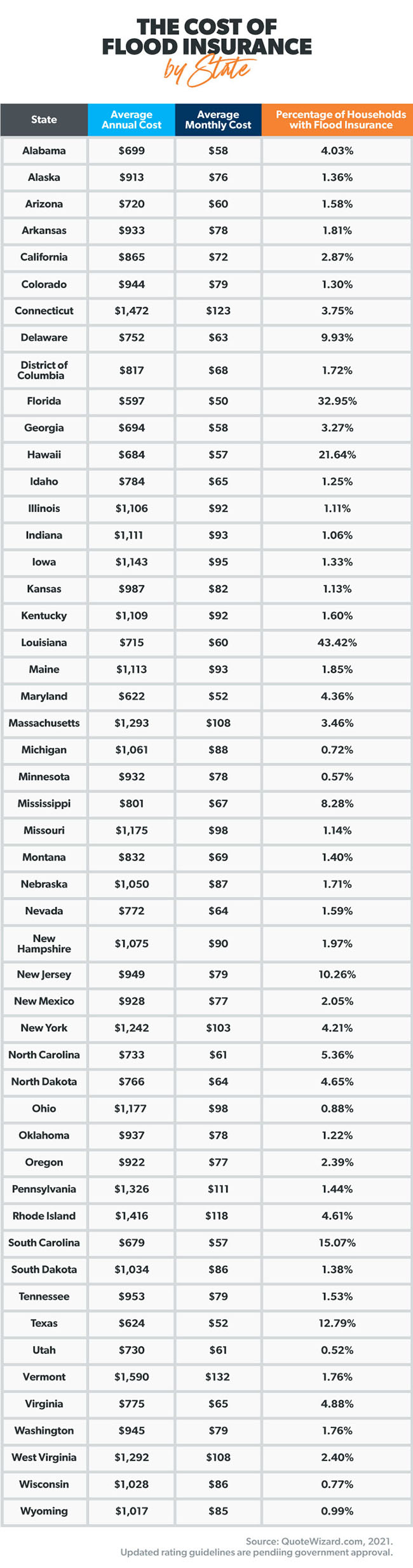
In Louisiana, the average cost of flood insurance through the NFIP fluctuates significantly based on the region. On average, homeowners can expect to pay anywhere from $700 to over $3,000 per year, depending on the specific zone classification of the address.
High-Risk vs. Low-Risk Zones
Properties located in Special Flood Hazard Areas (SFHAs) are categorized as “high-risk.” If your property falls into zones designated with an ‘A’ or ‘V’ prefix, the annual cost will sit at the higher end of the spectrum. Conversely, if you are looking at properties in regions deemed ‘X’ or ‘B’ zones, the risk is categorized as moderate to low, which can bring your annual premium down to the $400–$600 range.
The Impact of Risk Rating 2.0
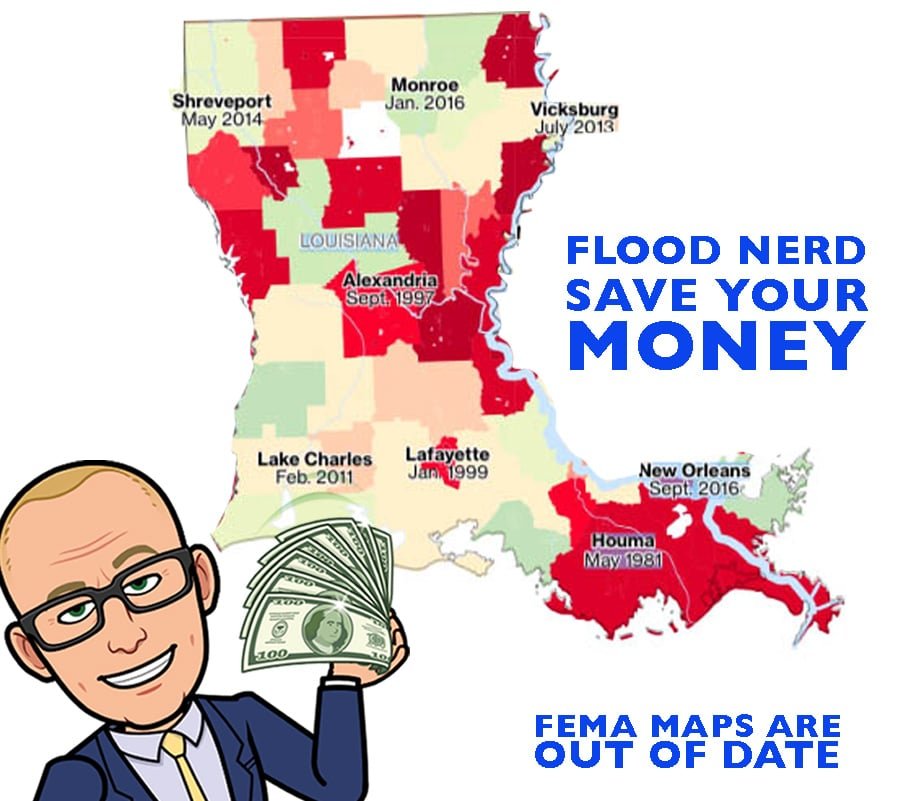
The Federal Emergency Management Agency, or FEMA, recently implemented a system called “Risk Rating 2.0.” This was designed to make premiums more equitable by looking at more than just a floodplain map. It now considers the replacement cost of your home, the specific distance to flooding sources, and the frequency of historical flood events. For a potential homeowner in Shreveport or Lake Charles, this means your insurance quote is now a highly personalized reflection of your specific building’s profile.
Navigating Insurance for Seasonal and Long-Term Rentals
If your interest in Louisiana is rooted in seasonal travel or purchasing an investment property, you must approach insurance differently than a primary resident.
Liability and Coverage Gaps
For those operating vacation rentals, it is imperative to ensure that your flood policy covers not just the structure itself, but the contents within. Many basic policies focus on the physical building, leaving your high-end furniture, electronics, and interior decor exposed to water damage. Given the unpredictable nature of tropical storms in the Deep South, opting for “Contents Coverage” is an essential layer of financial protection for any hospitality-focused venture.
Tips for Reducing Premiums
Savvy property owners often seek ways to mitigate their insurance burden. While you cannot change the geography of Louisiana, you can change how your property interacts with it:
- Elevation Certificates: If you are buying an older property, ensure you obtain a current elevation certificate. Sometimes, accurate measurements prove that your home sits higher than the baseline assumptions, which can lower your premium.
- Flood Vents: Installing hydrostatic flood vents in crawl spaces or garages allows water to flow through the property rather than building up pressure against the foundation. This simple modification can sometimes qualify for significant discounts.
- Community Rating System (CRS): Some municipalities in Louisiana participate in the CRS program. By proactively managing their floodplain, these towns earn discounts for all residents within their jurisdiction. Check if your prospective neighborhood is part of a high-performing CRS community.
Future-Proofing Your Stay in Louisiana
Living in or visiting Louisiana is a deeply rewarding experience, characterized by unparalleled cuisine, jazz, and southern hospitality. However, the environmental realities of the deltaic landscape require a pragmatic approach to finance and safety.
The Importance of Due Diligence
Before signing a purchase agreement or locking in a long-term lease, always request the property’s “Flood Loss History.” This report will tell you if the property has ever filed a flood insurance claim. Understanding whether a home has flooded in the past is often a better indicator of future risk than any map.
Balancing Risk with Reward
For many, the cost of flood insurance is simply a standard “cost of doing business” to enjoy the unique lifestyle found in places like New Orleans. When you factor in the value of the experience—the proximity to world-class seafood, the vibrant festival culture, and the architectural beauty—the insurance premium becomes a manageable part of your broader travel or investment budget.
By staying informed about your flood zone, leveraging the nuances of Risk Rating 2.0, and making intelligent choices about property maintenance, you can enjoy all that Louisiana has to offer with total peace of mind. While the water is a force of nature in this part of the world, thorough planning ensures that your experience remains focused on the culture and charm of the region, rather than the challenges of its environment. Always consult with a local insurance agent who specializes in coastal properties; they are the ultimate navigators in helping you secure a policy that protects your investment while you focus on the wonders of the Bayou State.
LifeOutOfTheBox is a participant in the Amazon Services LLC Associates Program, an affiliate advertising program designed to provide a means for sites to earn advertising fees by advertising and linking to Amazon.com. Amazon, the Amazon logo, AmazonSupply, and the AmazonSupply logo are trademarks of Amazon.com, Inc. or its affiliates. As an Amazon Associate we earn affiliate commissions from qualifying purchases.