
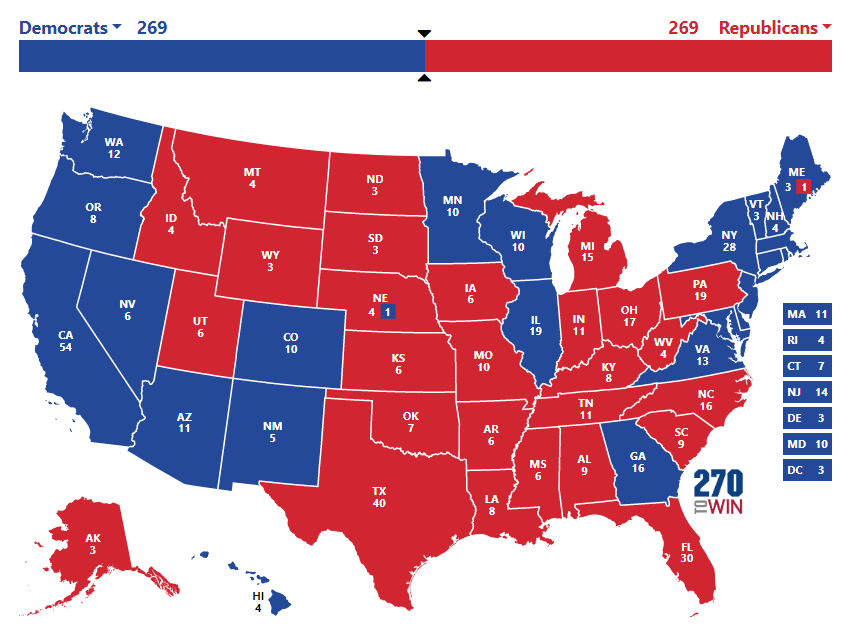
When travelers and culture enthusiasts look toward Louisiana, they are often greeted by a landscape that defies simplistic binary labeling. While political pundits and map-makers frequently color-code states to fit narrow narratives, the reality of this Southern gem—its culture, its rhythm, and its societal heartbeat—is far more complex than any single shade of blue or red. For the visitor, the state is not a monolith of partisan ideology, but a vibrant tapestry of traditions, culinary excellence, and historical depth that transcends the superficial categorizations often projected onto the American South.
A Cultural Mosaic Beyond Politics
To understand the spirit of Louisiana, one must look past the ballot box and into the neighborhoods that define its character. The state’s unique cultural identity is a result of centuries of French, Spanish, African, and Caribbean influences. This convergence created a “melting pot” that functions differently than the rest of the nation. In places like New Orleans, the emphasis is placed on community, celebration, and the preservation of heritage—a philosophy that influences the local way of life more than any national political trend.
The Rhythm of the Streets
The heartbeat of the state is felt most strongly in the rhythmic pulse of Jazz clubs and the communal spirit of a Second Line parade. Here, the societal expectation is one of radical hospitality. Whether you are walking through the historic French Quarter or wandering the Garden District, the focus is on shared experience. The local culture prioritizes the “bon temps”—the good times—over the contentious debates that dominate news cycles in Washington DC.
Festivals as Social Fabric
From the New Orleans Jazz and Heritage Festival to the intimate gatherings of local Mardi Gras krewes, the state’s calendar is dictated by tradition. These events serve as the true social infrastructure. In these moments, the political divide is overshadowed by the collective appreciation for art, music, and the legacy of the Mississippi River. For the tourist, this means the environment is characterized by an inclusivity born from history rather than policy.
Culinary Traditions: A Neutral Ground
If there is a common language in Louisiana, it is undoubtedly food. Culinary traditions serve as the great equalizer across the state, bringing people together around tables in Baton Rouge, Lafayette, and Shreveport.
Cajun and Creole Influences
The debate between Cajun and Creole cuisine is perhaps the only “conflict” the average resident cares to participate in. Whether it is the inclusion of tomatoes in a gumbo or the specific spice blend of a crawfish boil, these distinctions are deeply personal and cultural. This culinary identity creates a sense of place that is uniquely Louisianan.

Dining as an Experience
Travelers visiting the state often find that local restaurants serve as community hubs where everyone is welcome. Institutions like Commander’s Palace or the humble roadside shack serving Beignets are where the real, nuanced character of the state is on display. The focus on slow, deliberate enjoyment of food reflects a lifestyle that is far removed from the hyper-paced, polarized environments found elsewhere in the United States.
The Geographical and Historical Layers
To truly grasp why the “Blue State” label is so elusive here, one must consider the diverse geography and the historical context of the state’s regions. The Bayou country, with its deep-rooted Acadian history, offers a drastically different perspective on life compared to the more urban, cosmopolitan centers of the state.
The Influence of the Coast
The relationship between the residents and the environment is another layer of the local identity. From the wetlands surrounding Lake Pontchartrain to the southern marshes, the struggle for conservation and the preservation of the land is a topic that transcends party lines. Locals are bound together by a shared environmental reality, creating a focus on sustainability and stewardship that is vital to the identity of the Gulf Coast.
A State of Storytellers
Louisiana is fundamentally a state of storytellers. The literature of authors like Walker Percy or Tennessee Williams reveals that the internal psyche of the state is one of mystery, tradition, and profound change. This penchant for storytelling ensures that the visitor is not just observing a political map, but participating in a living history.
Engaging with the Local Culture: A Visitor’s Perspective
For the traveler, the question of whether Louisiana is “blue” or “red” becomes entirely secondary to the experience of being there. The state offers an immersion into a way of life that values the individual spirit, the warmth of the community, and the beauty of the Deep South.
Tips for Authentic Travel
- Explore Beyond the Main Streets: While Bourbon Street has its fame, the quiet streets of the Bywater or the Marigny offer a more genuine look at local life.
- Respect the History: Engage with the Whitney Plantation or other historical sites to understand the full, complex narrative of the region.
- Embrace the Pace: The “Southern pace” is real. Taking the time to sit on a porch, enjoy a local coffee, and talk to residents will provide more insight into the “color” of the state than any election map ever could.
- Attend Local Festivals: Whether it is the Festival International de Louisiane or smaller neighborhood block parties, participate in the events that define the local calendar.

Conclusion: The True Identity of the State
Ultimately, Louisiana refuses to be categorized. It is a place of contradictions: simultaneously historical and modern, deeply religious and wildly hedonistic, quiet in its bayous and thunderous in its brass bands. When you travel through this state, you realize that the labels used by political analysts are merely shadows cast upon a much larger, more colorful, and more intricate reality.
The state’s true colors are the gold of the Mardi Gras beads, the deep green of the marshlands, the brown of the mighty river, and the vibrant, neon lights of its nightlife. It is a place that invites you to leave your preconceptions at the state line and simply enjoy the richness of the journey. Whether you are exploring the ruins of Plantations or dancing in a Dance Hall in the country, you are engaging with a unique corner of the world that defines itself not by political allegiances, but by the strength of its own soul. For the traveler, this is not a Blue State or a Red State—it is simply a place like nowhere else, rich in life and waiting to be experienced in its entirety.
LifeOutOfTheBox is a participant in the Amazon Services LLC Associates Program, an affiliate advertising program designed to provide a means for sites to earn advertising fees by advertising and linking to Amazon.com. Amazon, the Amazon logo, AmazonSupply, and the AmazonSupply logo are trademarks of Amazon.com, Inc. or its affiliates. As an Amazon Associate we earn affiliate commissions from qualifying purchases.