
When travelers and geographers analyze the state of Louisiana, a common point of confusion arises regarding its classification. The short answer is that Louisiana is not a metropolitan area; rather, it is an entire state characterized by a diverse collection of distinct metropolitan statistical areas (MSAs), interspersed with vast stretches of rural landscapes, bayous, and coastal wetlands. Understanding the state’s urban geography is essential for any traveler planning an itinerary that stretches from the jazz-filled streets of New Orleans to the state capital of Baton Rouge.
The Complexity of Louisiana’s Urban Geography
To understand the structure of the Pelican State, one must look at how the United States Census Bureau defines metropolitan areas. A metropolitan area consists of a central city with a high population density and the surrounding economic zones that are linked to that core. Because Louisiana covers over 50,000 square miles, it cannot be categorized as a single entity. Instead, it functions as a network of regional hubs, each with its own cultural heartbeat, industrial focus, and logistical footprint.
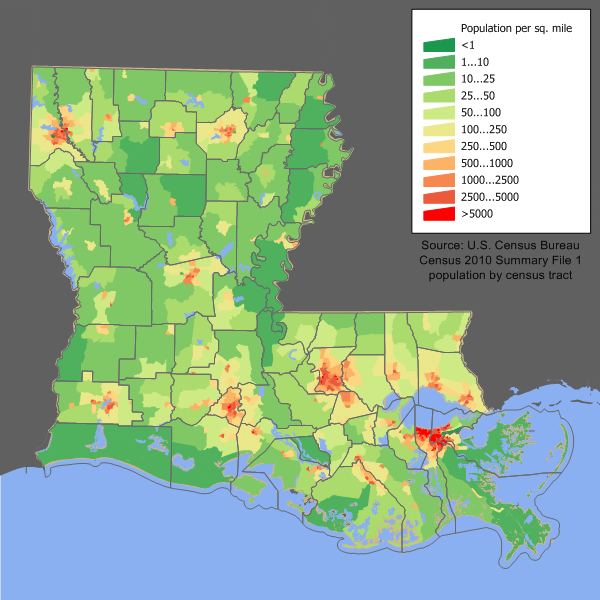
The New Orleans Metropolitan Area
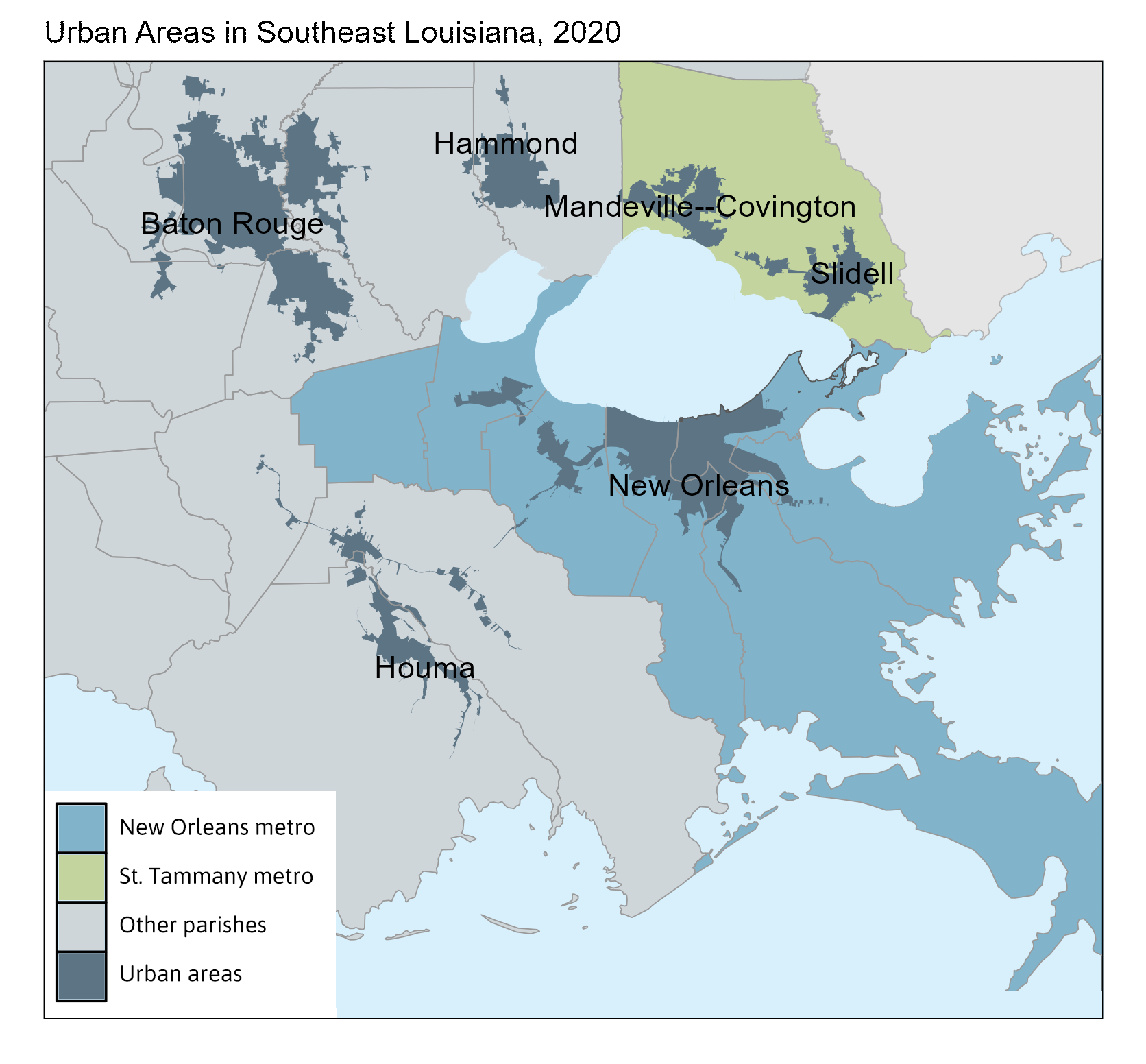
The most internationally recognized hub is the New Orleans metropolitan area. As the largest city in the state, this region acts as the primary gateway for tourism. It encompasses Jefferson Parish, St. Tammany Parish, and several other surrounding parishes. For the visitor, this means that while you may start your journey in the French Quarter, the metropolitan experience extends across the Lake Pontchartrain Causeway and into the suburban expanses of Metairie and Kenner.
The Baton Rouge Capital Region
Baton Rouge serves as the administrative core of the state. Its metropolitan reach is quite different from its neighbor to the south. Being home to Louisiana State University, the city has a distinct academic and governmental rhythm. The metropolitan area here is growing rapidly, pulling in residents from nearby Ascension Parish and Livingston Parish. This area offers a blend of historic charm and modern commercial development that feels vastly different from the coastal-focused culture of the south.
Regional Hubs and Their Cultural Identity
Beyond the two major anchors, Louisiana features several secondary metropolitan areas that define the state’s cultural diversity. These cities are vital to the local tourism landscape, offering authentic experiences that remain shielded from the high-traffic corridors of larger cities.
Acadiana and Lafayette
Lafayette is the primary metropolitan hub for the Acadiana region. This area is culturally distinct, rooted heavily in Cajun and Creole heritage. Unlike the sprawling urban environment of New Orleans, the Lafayette metropolitan area is defined by its music, local cuisine, and the swamp landscapes of the Atchafalaya Basin. Travelers often choose this region to experience an unfiltered version of Louisiana life.
Shreveport and Monroe
In the northern part of the state, Shreveport serves as the metropolitan center for the Ark-La-Tex region. It is a city that leans into gaming, historical architecture, and a personality that mirrors its proximity to Texas and Arkansas. Meanwhile, Monroe serves as a vital metropolitan anchor for the northeastern part of the state, focusing on aviation history and nature-based tourism. These areas remind us that Louisiana is not merely a coastal destination but a massive, multi-faceted state.
Why the Distinction Matters for Tourism
For the savvy traveler, understanding that Louisiana is composed of several independent metropolitan areas—rather than one monolithic urban center—is key to planning a successful trip.
Transportation and Connectivity
If you are planning to visit, you must recognize that distances between these metropolitan areas can be significant. Driving from the New Orleans metropolitan area to Shreveport takes several hours and takes you through completely different geographical and cultural landscapes. Public transit is largely limited to the city centers; therefore, renting a vehicle is generally required to navigate the space between these regional hubs effectively.
Distinct Cultural Experiences
Because each metropolitan area developed around its own industry—New Orleans around shipping and tourism, Baton Rouge around politics and energy, and Lafayette around agriculture and cultural preservation—the “flavor” of the state changes as you move between them.
- The South: Expect high-energy festivals, jazz music, and French-influenced architecture.
- The North: Expect a blend of Southern hospitality, outdoor recreation, and history related to the Mississippi River.
- The Central Region: Expect deep immersion into Cajun roots and slow-paced living.
Embracing the Rural In-Between
Perhaps the most important takeaway regarding the question of whether Louisiana is a metropolitan area is the importance of what lies outside of these regions. Much of the state’s true character is found in the rural stretches located between these major hubs.
The Bayou Experience
When traveling between Lafayette and New Orleans, you will traverse iconic landscapes that are neither urban nor metropolitan. These regions, including the Jean Lafitte National Historical Park and Preserve, are vital to the state’s identity. They represent the ecological and historical link between the different metropolitan nodes.
Coastal Heritage
The coastal communities, such as those found in Houma or Thibodaux, operate as their own small-scale economies. While they may be influenced by the proximity to larger cities, they remain deeply tied to the land and the Gulf of Mexico. For the traveler, these areas offer an opportunity to step away from the commercialized aspects of metropolitan tourism and engage with the authentic people and stories that define the American South.

Conclusion
Ultimately, Louisiana is a state defined by its fragmentation. It is not a singular metropolitan area, and it would be a mistake to view it as such. By embracing the individual identities of the New Orleans metro, the Baton Rouge hub, and the Lafayette region, you gain a more complete picture of the state. Whether you are exploring the Garden District or trekking through the bayous, recognizing the independence of these regions will enrich your travel experience. Louisiana is a complex tapestry of urban ambition and rural tradition, waiting to be explored one metro area at a time.
LifeOutOfTheBox is a participant in the Amazon Services LLC Associates Program, an affiliate advertising program designed to provide a means for sites to earn advertising fees by advertising and linking to Amazon.com. Amazon, the Amazon logo, AmazonSupply, and the AmazonSupply logo are trademarks of Amazon.com, Inc. or its affiliates. As an Amazon Associate we earn affiliate commissions from qualifying purchases.