
When travelers land in the humid, soul-stirring expanse of Louisiana, they are often greeted by the irresistible scent of slow-cooked meats, simmering gumbos, and, inevitably, the ubiquitous “Louisiana Rub.” Whether you are exploring the jazz-filled streets of New Orleans or venturing into the quieter, bayou-adjacent towns, you will encounter this seasoning blend time and time again. But for the uninitiated visitor, the most pressing question remains: does the term “Louisiana” inherently imply a fiery, palate-scorching experience?
The answer is nuanced. While the region is globally synonymous with bold seasoning and the iconic heat of Tabasco sauce, a traditional Louisiana rub is less about burning the tongue and more about the complexity of the “holy trinity” of flavors translated into a dry form.

Deconstructing the Flavor Profile of the Deep South
To understand the heat level of a typical Louisiana rub, one must first look at what actually goes into the shaker. Unlike some southwestern rubs that rely heavily on varying degrees of dried habaneros or ghost peppers, a classic Louisiana blend is grounded in earthy, savory components.
The Foundation of the Blend
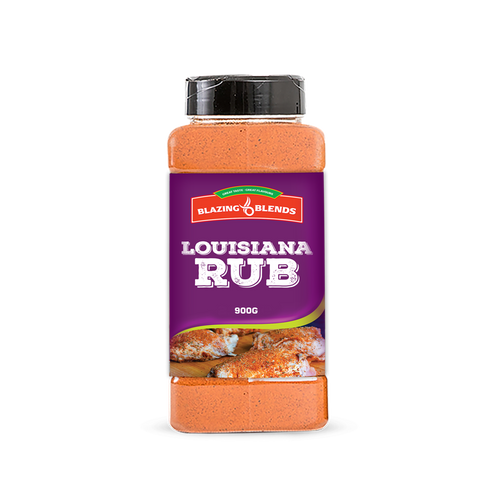
The baseline for almost any authentic Louisiana seasoning includes a heavy hand of paprika, garlic powder, onion powder, and dried herbs like thyme and oregano. These provide a deep, reddish-brown color and a robust, aromatic base. The heat, when it exists, is usually introduced through a mixture of black pepper, white pepper, and a modest amount of cayenne.
Because cayenne is the primary driver of heat, the “spiciness” of a rub is entirely dependent on the ratio used by the pitmaster or the chef. In many professional kitchens throughout Baton Rouge or Lafayette, the goal is to create a “slow burn” that complements the fat of the meat rather than masking the flavor of the protein itself.
The Role of Complexity Over Intensity
In the culinary culture of the United States, there is often a misconception that southern food must be explosive. In reality, Louisiana cuisine—heavily influenced by French, Spanish, and West African culinary traditions—prizes depth. A well-crafted rub should offer a savory punch that makes the meat taste “more like itself.” If you are dining at a high-end establishment in the French Quarter, you might find the rub to be surprisingly mild, relying on smoked paprika for color and depth rather than concentrated chili extracts.
Regional Variations and Expectations
As you move through the diverse landscape of the state, your expectations regarding spice should shift. The “Louisiana Rub” is not a monolithic product; it changes based on geography and the specific culture of the community you are visiting.
Cajun Country vs. Creole Influence
When you travel through the rural parishes of Acadiana, you are entering the heart of Cajun country. Here, the food is often “peasant-style” cooking, which tends to be more rustic and inherently punchier. You are more likely to find rubs here that lean into the cayenne and white pepper, providing a crisp, noticeable heat that hits the back of the throat.
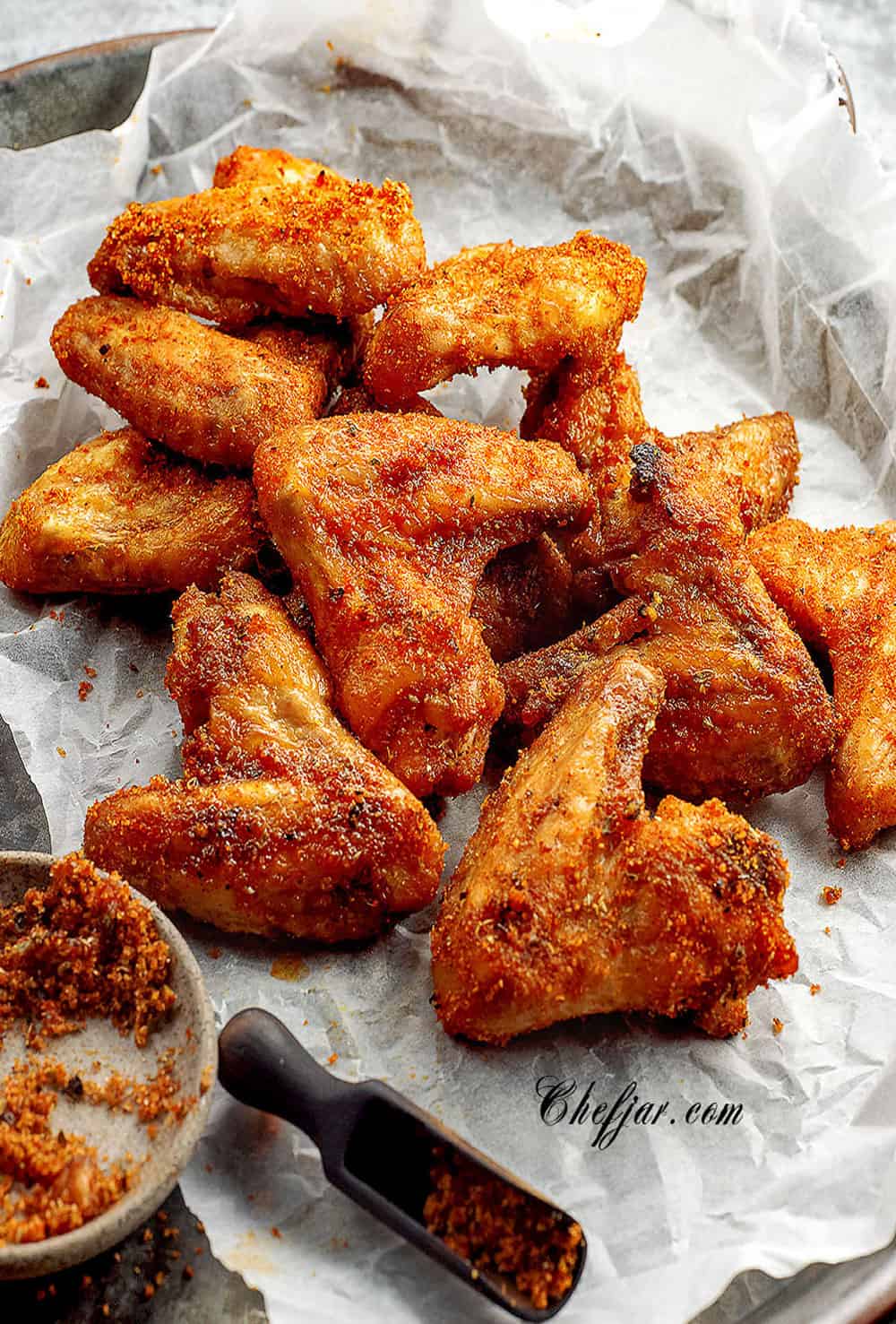
Conversely, as you move toward the more cosmopolitan culinary centers, the influence of Creole cooking—which is often more refined and multi-layered—tends to pull back on the raw heat. A rub found in a restaurant near the Garden District might incorporate sugar or brown sugar to caramelize the exterior of the meat, which naturally tempers the spiciness of the peppers.
The “Dry” vs. “Wet” Debate
It is also essential to distinguish between a rub and a marinade. A dry rub applied to smoked brisket or ribs is meant to form a “bark.” Because dry rubs often sit on the meat for several hours or overnight, the spices have time to permeate the surface. This process mellows out the aggressive bite of raw dried peppers, turning what might feel like a “hot” seasoning in the jar into a complex, savory crust once cooked. If you are ordering BBQ, do not be intimidated by a deep red color; it is frequently the result of high-quality paprika and time in the smoker, not an excessive amount of heat.
Tips for Travelers Ordering Local Cuisine
If you are sensitive to heat but eager to participate in the local food scene, you do not need to avoid dishes labeled with “Louisiana Rub.” Instead, use these tips to navigate your culinary journey safely and deliciously.
Ask About the “Kick”
Don’t be afraid to ask your server, “Is this rub heavy on the cayenne?” In a state where food is a religion, chefs are usually happy to explain their craft. Most kitchens will be able to tell you if their blend is “mild,” “medium,” or “Cajun hot.” If you are visiting iconic spots like Commander’s Palace, the staff is exceptionally well-versed in the flavor profiles of every dish on the menu.
Look for the “Sweet and Smoky” Indicators
When reading a menu, look for keywords. If a dish is described as having a “sweet and smoky” Louisiana rub, it is almost a guarantee that the sweetness (from brown sugar, molasses, or honey) will significantly neutralize the heat of the peppers. These variations are incredibly popular in modern Southern barbecue and are rarely intended to be overly spicy.
Pair with Proper Sides
If you do encounter a rub that is punchier than you expected, look to the traditional sides found on most Louisiana menus to act as a fire suppressant. Items like:
- Cornbread: The starch and sweetness help coat the palate.
- Coleslaw: The vinegar and cream base provides immediate relief from pepper heat.
- Potato Salad: A staple in many Southern barbecue joints, the cool, creamy texture is the perfect counterpoint to a spicy crust.
The Cultural Context of Heat
Ultimately, understanding the heat in Louisiana food is about understanding the history of the region. The state is a melting pot, a place where people from all over the world settled and brought their own spices and preservation techniques. The heat in a rub is a lingering echo of the spice trade and the agricultural bounty of the Mississippi River Delta.
Whether you find the rub to be spicy or mild, remember that in this part of the world, spice is intended to be a conversation starter. It is a way to wake up the senses and prepare the body for the rest of the meal. Even the “hottest” Louisiana rub is rarely designed to be a challenge or a stunt; it is designed to be part of a balanced, flavorful plate that honors the ingredients.
As you plan your next trip to explore the festivals, the architecture, and the hospitality of New Orleans and its surrounding areas, view the local spice blends as an invitation. Taste with an open mind, start slow, and enjoy the rich, smoky, and occasionally fiery tapestry of flavors that makes this state a crown jewel of American gastronomy. You will likely find that, regardless of the spice level, the depth of the Louisiana rub is what you end up missing most when you finally return home.
LifeOutOfTheBox is a participant in the Amazon Services LLC Associates Program, an affiliate advertising program designed to provide a means for sites to earn advertising fees by advertising and linking to Amazon.com. Amazon, the Amazon logo, AmazonSupply, and the AmazonSupply logo are trademarks of Amazon.com, Inc. or its affiliates. As an Amazon Associate we earn affiliate commissions from qualifying purchases.