
For business travelers, digital nomads, and expatriates managing affairs in Louisiana, the question of document authentication is a recurring hurdle. As the world shifts toward digital-first workflows, many states have embraced Remote Online Notarization (RON). However, for those conducting business or real estate transactions within the unique legal framework of the Pelican State, navigating these requirements is essential to ensure that agreements remain binding.
The Legal Standing of Remote Notarization in Louisiana
Louisiana operates under a civil law system, which is distinct from the common law traditions found in the other 49 states. This historical foundation, deeply rooted in the Napoleonic Code, has made the state traditionally conservative regarding the digitization of legal procedures.
Current Legislation and Executive Orders
As of the current regulatory environment, Remote Online Notarization is legally recognized in Louisiana, but it is governed by a strict set of administrative rules rather than being a blanket “yes” for every type of document. The state legislature passed measures to allow for RON, but it requires that notaries be specifically commissioned to perform these tasks and utilize platforms that meet the Secretary of State’s rigorous security standards.
The transition from traditional, in-person ink-and-paper signings to digital verification represents a seismic shift for local law firms and title companies. For individuals visiting or residing in historic cities like New Orleans or the capital, Baton Rouge, this means that while you may be able to sign certain documents remotely, you must confirm that the specific notary public possesses the state-issued remote authorization.
Essential Requirements for Remote Notarization
Understanding the “how” is just as important as the “what.” In Louisiana, you cannot simply use any online service found on the internet. The state mandates specific safeguards to prevent fraud and ensure the identity of the signatory.
Identity Verification and Credential Analysis
When engaging in a remote session, the notary is legally obligated to verify your identity through two main channels:
- Knowledge-Based Authentication (KBA): You will be asked a series of questions derived from public records that only you would realistically know.
- Credential Analysis: You must provide a high-resolution scan of a government-issued photo ID, such as a passport or driver’s license. The software then uses biometric verification to ensure the document is authentic and that you match the image on file.
Audio-Video Communication
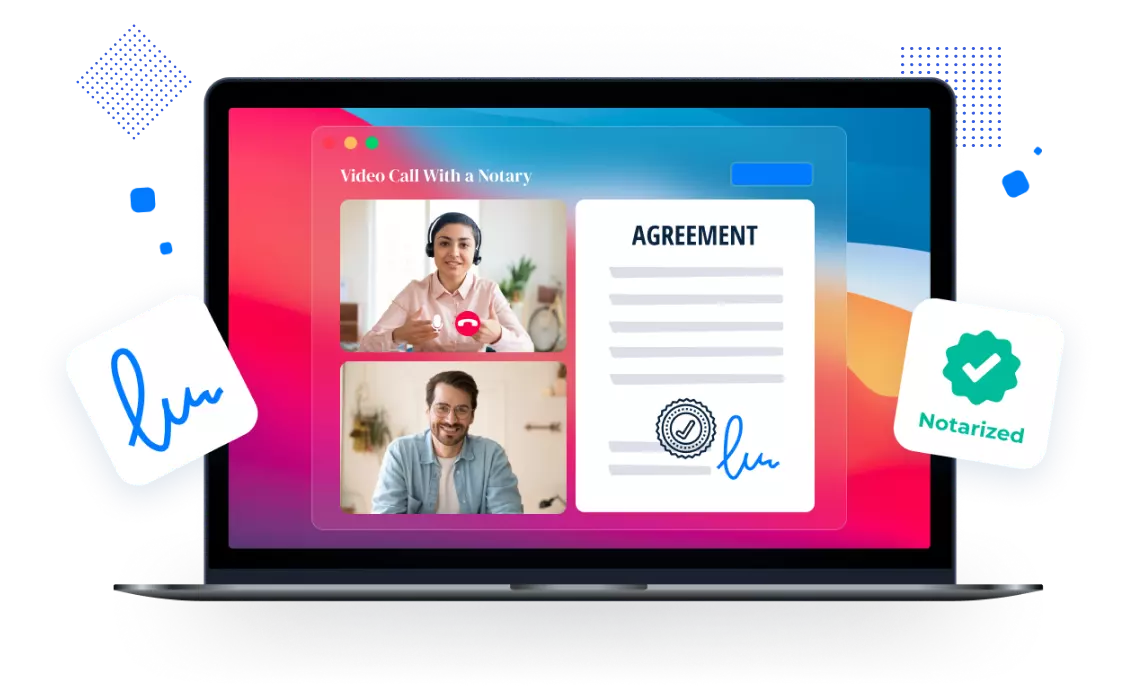
The session must take place over a secure, real-time, two-way audio-video communication channel. This allows the notary to witness your signature as it happens. The entire session is often recorded and stored as part of the electronic journal, providing an audit trail that is much more robust than a traditional paper ledger.
For those traveling through Lafayette or Shreveport who might need to close a property deal or sign a power of attorney, ensuring your internet connection is stable is paramount. A dropped connection during a remote signing can invalidate the entire proceeding, leading to delays that could jeopardize your travel plans or business timelines.

Limitations and Practical Considerations for Travelers
While the convenience of RON is undeniable, it is not a “one-size-fits-all” solution. Travelers and business professionals must be aware of the limitations set by the Louisiana Secretary of State.
Document Eligibility
Not every document is eligible for remote notarization in Louisiana. While most routine commercial contracts, affidavits, and simple deeds can be handled digitally, certain legal instruments—particularly those involving complex testamentary documents, certain successions, or specific real estate documents that may require a physical presence under the civil law code—might still mandate an in-person appearance.
Before assuming your paperwork can be handled remotely, consult with a licensed attorney in the state. If you are staying at a hotel like the Hotel Monteleone in New Orleans, you might reach out to a local notary service that specializes in remote signings to ensure your specific document type is accepted for digital execution.
The Importance of Jurisdictional Knowledge
Because the laws are constantly evolving, relying on outdated information can lead to significant legal headaches. If you are a foreigner traveling through the United States, you must be aware that the requirements for Louisiana notary services differ vastly from those in neighboring states like Texas or Mississippi.
Never assume that a digital notary credentialed in another state will be automatically recognized for a Louisiana-specific legal matter. Always check the official registry to confirm that the person notarizing your document is properly authorized by the state’s regulatory body.
Tips for Managing Legal Affairs While on the Road
For those who rely on remote notarization to keep their business moving while traveling, preparation is the key to a seamless experience.
Preparing for a Smooth Session
- Check Your Technology: Ensure your laptop or tablet is equipped with a high-quality camera and microphone. Most remote notary platforms are optimized for desktop browsers, so verify compatibility before your scheduled appointment.
- Verify Your Documentation: Ensure that the identification you plan to use is not expired. In the digital realm, even a minor discrepancy in the spelling of a name on your ID versus the document can lead to an automatic rejection by the platform’s security algorithms.
- Plan for Time Zones: Even if you are traveling internationally, your session will likely be scheduled according to Central Time. Coordinate with your notary to ensure you are available during their working hours to avoid missing a critical signing window.
- Confirm Fees: Remote notarization services often carry an additional platform fee on top of the standard notary service fee. Clarify these costs upfront to avoid any billing surprises.

Final Thoughts on the Future of Digital Notarization
The integration of technology into the legal processes of Louisiana is a testament to the state’s efforts to balance its deep-seated traditions with modern efficiency. For the traveler or the busy professional, this means more flexibility and less time spent searching for a local office in New Orleans or Baton Rouge.
By adhering to the established state guidelines, utilizing authorized platforms, and performing the necessary due diligence on your specific document requirements, you can successfully leverage remote notarization to maintain your legal commitments from anywhere in the world. As the landscape continues to evolve, keeping an eye on the official guidance from the Louisiana Secretary of State will remain the most reliable way to stay compliant in the ever-changing digital legal era.
LifeOutOfTheBox is a participant in the Amazon Services LLC Associates Program, an affiliate advertising program designed to provide a means for sites to earn advertising fees by advertising and linking to Amazon.com. Amazon, the Amazon logo, AmazonSupply, and the AmazonSupply logo are trademarks of Amazon.com, Inc. or its affiliates. As an Amazon Associate we earn affiliate commissions from qualifying purchases.