
When planning a garden in the lush, humid landscapes of the American South, understanding your environment is the foundation of success. For those cultivating greenery in the Bayou State, the answer to “what growing zone is Louisiana?” is vital for selecting plants that can withstand the intense heat, high humidity, and specific frost patterns of this region.
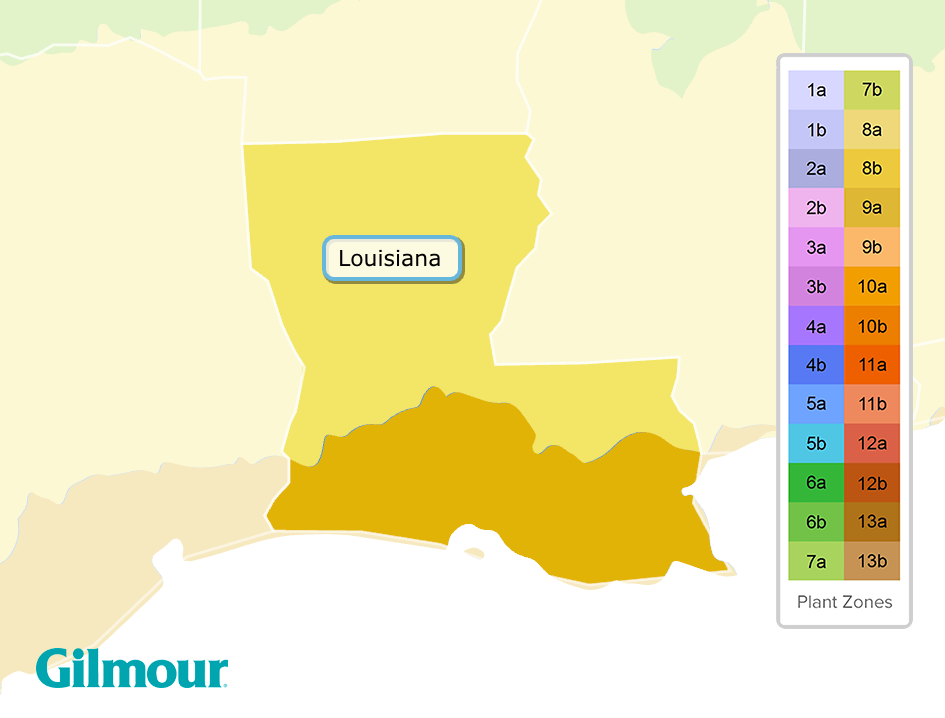
Louisiana primarily spans USDA Hardiness Zones 8 and 9. This classification system, based on the average annual extreme minimum temperature, dictates which perennials, shrubs, and trees will survive the winter months. By aligning your garden choices with these zones, you ensure that your botanical efforts thrive in the unique climate that defines this beautiful state.
Understanding the USDA Hardiness Zones
The United States Department of Agriculture (USDA) divides the country into zones to help gardeners understand plant viability. These zones are defined by the lowest temperatures a region typically experiences during the winter. For Louisiana, the proximity to the Gulf of Mexico plays a significant role in moderating these temperatures, creating a long, productive growing season.
Zone 8: The Northern and Central Regions
Zone 8 covers much of the northern and central portions of the state. In cities like Shreveport and Monroe, gardeners must prepare for temperatures that can occasionally dip into the 10°F to 20°F range. This zone offers a robust growing season, but it requires cold-hardy varieties for winter survival. Many ornamental shrubs and fruit trees that require a certain number of “chill hours” perform exceptionally well here.
Zone 9: The Southern Coastal Belt
As you move south toward the coast, the climate shifts into Zone 9, where extreme minimum temperatures typically stay between 20°F and 30°F. This includes areas surrounding Lafayette, Baton Rouge, and the vibrant metropolis of New Orleans. In these warmer pockets, the growing season is significantly extended, allowing for tropical and subtropical plants that would perish in colder northern climates.
Climate Factors That Impact Local Growth
While the hardiness zones provide a baseline, they do not tell the whole story. The climate in Louisiana is defined by its extreme humidity and high summer temperatures, which are just as influential as the winter lows.
Managing High Humidity and Heat
The heat in the deep South can be unforgiving. During the peak of summer, temperatures frequently climb into the 90s, often accompanied by high dew points. This combination creates a perfect storm for fungal diseases and heat stress. Gardeners must prioritize “heat-tolerant” varieties. Plants that thrive in Florida or similar coastal regions are often the best choices here, as they are bred to withstand the heavy atmospheric moisture that defines the Mississippi River delta.
The Importance of Drainage
Many parts of Louisiana feature heavy clay soil or low-lying terrain that retains water. Because the climate is naturally wet, managing drainage is a top priority. Whether you are planting in the Atchafalaya Basin or a residential garden in Lake Charles, raised beds are often the most practical solution. They allow for better soil aeration and prevent root rot, which is a common hazard when consistent rain meets poorly draining ground.

Selecting the Right Plants for Your Zone
Whether you are designing a kitchen garden or an ornamental landscape, your plant selection should reflect the specific requirements of Zones 8 and 9.
Recommended Vegetables and Herbs
In Zone 8 and 9, the growing season is split into two distinct periods: the cool season and the warm season.
- Warm Season: In spring and summer, Louisiana gardens shine with okra, peppers, eggplants, and sweet potatoes. These crops thrive in the heat and are staples in traditional local cuisine.
- Cool Season: As the humidity wanes in the autumn, residents in Alexandria and beyond can transition to collard greens, mustard greens, kale, and strawberries. These crops benefit from the mild winters that characterize the region.
Ornamental Shrubs and Native Flora
For year-round beauty, incorporate native plants that are adapted to the local ecosystem. The Magnolia tree is a quintessential symbol of the state, flourishing in these zones. Azaleas and Camellias are also incredibly popular, providing brilliant bursts of color during the early spring. When choosing non-native ornamental plants, look for varieties marked for “heat resistance” rather than just hardiness to ensure they can survive the grueling July and August afternoons.
Seasonal Garden Maintenance Tips
Maintaining a garden in Louisiana requires a different rhythm than in cooler parts of the United States.
The Mid-Summer Maintenance Strategy
By mid-summer, most of the work shifts toward hydration and mulch. Mulching is critical in Zone 9 to keep soil temperatures regulated and moisture levels consistent. Use organic materials like pine straw or bark to suppress weeds and protect root systems from the sun’s intense glare. Watering should be done early in the morning to allow foliage to dry throughout the day, which helps prevent mildew and blight.
Preparing for Winter
While snow is rare in Louisiana, frost is not. Even in Zone 9, unexpected cold snaps can damage delicate plants. Keeping a supply of frost cloth or burlap on hand is essential for those living near the Gulf Coast. If a freeze warning is issued for Houma or Slidell, cover sensitive tropicals or move potted plants into sheltered areas like a garage or greenhouse.

Embracing the Unique Louisiana Landscape
Gardening in Louisiana is a rewarding experience that connects you deeply to the natural cycle of the South. By respecting the nuances of your growing zone—whether you are in the northern reaches or near the marshes of the south—you can curate a space that is both vibrant and resilient.
From the live oaks that provide shade in City Park to the personal kitchen gardens that provide fresh ingredients for a local gumbo, the plants you choose help define the character of your home. Focus on the zones, keep an eye on the humidity, and embrace the long, lush growing window that this beautiful state provides. With the right strategy, your garden will be as colorful and diverse as the culture of the region itself.
LifeOutOfTheBox is a participant in the Amazon Services LLC Associates Program, an affiliate advertising program designed to provide a means for sites to earn advertising fees by advertising and linking to Amazon.com. Amazon, the Amazon logo, AmazonSupply, and the AmazonSupply logo are trademarks of Amazon.com, Inc. or its affiliates. As an Amazon Associate we earn affiliate commissions from qualifying purchases.