
When traveling through the culinary landscape of the United States, food enthusiasts often find themselves drawn to regional specialties that define the local identity. Among the various flavor profiles that have permeated the fast-casual dining scene, the Louisiana Rub at Wingstop stands out as a bridge between high-volume convenience and the deep-rooted traditions of Cajun and Creole cooking. For those exploring the deep flavors of the American South, understanding this seasoning is key to appreciating how local food culture is exported and adapted on a national scale.
The Essence of the Louisiana Rub
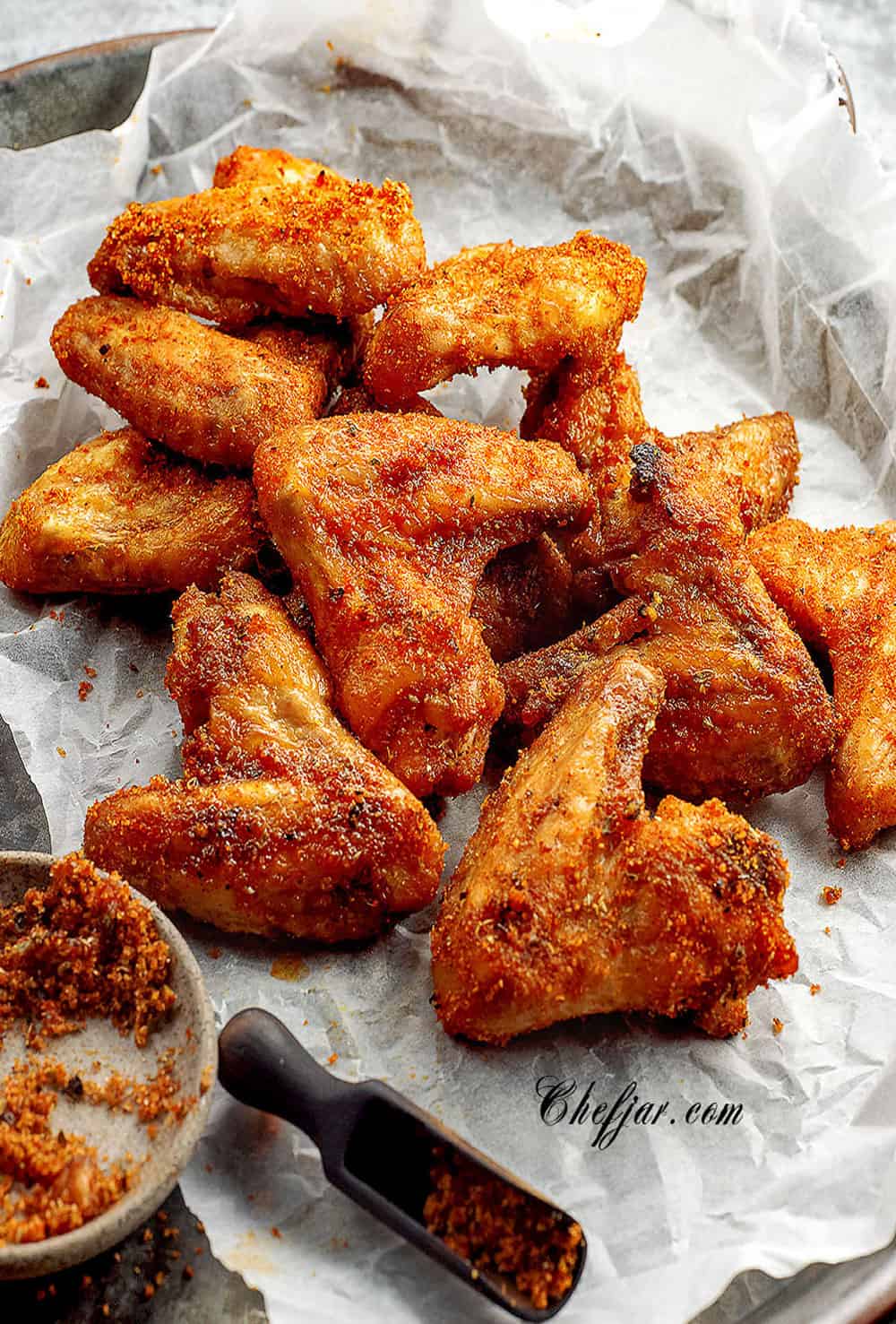
At its core, the Louisiana Rub is a dry seasoning blend designed to capture the spirit of Louisiana. Unlike the traditional wet sauces that coat many wings, this rub offers a textural experience that emphasizes the crunch of the chicken while providing a complex aromatic profile.

Flavor Profile and Ingredients
The signature of this seasoning is a delicate balance of heat and herbal notes. While the specific proprietary blend remains a trade secret, it is widely recognized by its inclusion of garlic, paprika, and a robust mixture of dried herbs. The flavor profile is designed to mimic the complexity found in dishes served in New Orleans. It provides a savory, slightly salty kick that is less about overwhelming the palate with capsaicin and more about enhancing the natural juices of the poultry with a “Cajun-inspired” zest.
The Texture Advantage
One of the primary reasons travelers and food tourists prefer a dry rub over a heavy sauce is the maintenance of skin crispiness. By applying a dry rub post-frying, the chicken retains its structural integrity. This is a common practice in many roadside diners throughout Acadiana, where the focus remains on the quality of the fry and the depth of the spice crust.
Cultural Context: Why Louisiana Flavor Resonates
The fascination with Louisiana-style seasoning is not arbitrary. It represents a broader interest in the authentic culinary heritage of the American South. When a brand like Wingstop adopts a regional label, it acts as a gateway for the average traveler to engage with the flavors of a specific geography without necessarily being in the state itself.
The Influence of Cajun and Creole Traditions
To understand the rub, one must look at the roots of Cajun Country. The culinary history here is defined by the “holy trinity” of vegetables—onions, bell peppers, and celery—and an assertive use of spice blends. The Louisiana Rub attempts to distill the essence of these Deep South kitchens into a format that fits the modern, fast-paced dining habits of urban centers like Dallas or Atlanta.
Food Tourism as a Cultural Bridge
For many tourists, food is the primary way they connect with a new destination. Even when eating at a national chain, the presence of localized flavor profiles acts as a reminder of the cultural diversity present in the country. A traveler visiting the French Quarter might experience these flavors in a slow-cooked gumbo, while a business traveler grabbing a quick meal in Chicago experiences them through the medium of chicken wings. This connectivity fosters a national appreciation for the distinct culinary craftsmanship that originated in the Mississippi Delta.
Tips for the Culinary Traveler
If you are a fan of these specific flavor notes and are planning a trip to immerse yourself in the authentic culinary scene, there are several ways to deepen your experience beyond the quick-service restaurant environment.
Seeking Authenticity in the Source
While a commercial rub provides a snapshot of the flavor, nothing compares to the real deal. When traveling to Louisiana, consider venturing beyond the main tourist hubs to find local smokehouses and neighborhood eateries. Look for establishments that specialize in “dry-rubbed” meats or those that incorporate local spices like Zatarain’s or local heirloom pepper blends.
Understanding the Regional Differences
It is important for food enthusiasts to distinguish between the two major influences in the region:
- Cajun Style: Often associated with rustic, country-style cooking, focusing on savory richness, heavy use of garlic, and a more straightforward heat profile.
- Creole Style: Known for being more refined and complex, often incorporating tomato-based foundations and a wider array of international spices inherited from European and Caribbean influences.
When you order a “Louisiana” flavored item, you are usually interacting with the Cajun-inspired side of this spectrum—the side that values bold, punchy, and aromatic spices that wake up the senses.
Comparing Dry Rubs to Regional Sauces
The debate between dry rub and wet sauce is as old as the history of barbecue itself. For those navigating the culinary map, knowing the difference is essential for planning where to eat.
The Appeal of the Dry Rub
A dry rub, like the one found at Wingstop, is a masterclass in seasoning control. It adheres directly to the meat, creating a concentrated bite of flavor. In states like Texas, the dry rub is king, especially when it comes to brisket and ribs. It highlights the quality of the protein rather than masking it.
The Nuance of Regional Sauces
Conversely, if your travels take you to South Carolina or North Carolina, you will encounter vinegar-based or mustard-based sauces that serve a different purpose: cutting through the fat of the pork. The Louisiana Rub sits somewhere in the middle—it provides the spice profile of the South with the convenience of a dry application, making it a highly accessible introduction to the region’s culinary philosophy.

Final Thoughts on Regional Flavor Profiles
Whether you are enjoying a meal while traveling through Florida, exploring the streets of New York City, or simply looking for a taste of the South at your local dining spot, the Louisiana Rub offers a glimpse into a much larger, vibrant food culture. It is an invitation to learn more about the regions that shaped the American palate.
The next time you encounter this flavor, remember that it is more than just a seasoning blend on a menu. It is a reflection of the deep-seated traditions of the Gulf Coast and the historical migration of culinary techniques across the United States. Understanding what you are eating—and why it is seasoned that way—is one of the most rewarding aspects of culinary tourism, transforming a simple meal into an educational journey through the geography of taste. As you continue to travel, keep seeking these connections between mass-market offerings and the authentic regional roots from which they grew; you will find that every flavor has a story that starts in a specific city, town, or bayou.
LifeOutOfTheBox is a participant in the Amazon Services LLC Associates Program, an affiliate advertising program designed to provide a means for sites to earn advertising fees by advertising and linking to Amazon.com. Amazon, the Amazon logo, AmazonSupply, and the AmazonSupply logo are trademarks of Amazon.com, Inc. or its affiliates. As an Amazon Associate we earn affiliate commissions from qualifying purchases.