
For travelers planning an extended stay or those considering a move to the vibrant southern state of Louisiana, understanding the financial landscape is essential. While the state is widely celebrated for its rich history, jazz culture, and exquisite cuisine, it also operates under a unique tax structure that impacts everything from the cost of a luxury suite in New Orleans to the final price tag on a gourmet meal in Lafayette. Navigating these costs is a critical component of budget travel and long-term planning.
The State Sales Tax Framework
At the state level, Louisiana levies a base sales tax rate. However, unlike many other states in the United States, the final amount you pay at the register is rarely just that single base number. The state’s fiscal policy is decentralized, meaning that local jurisdictions—parishes and municipalities—have significant authority to add their own local sales taxes on top of the state rate.
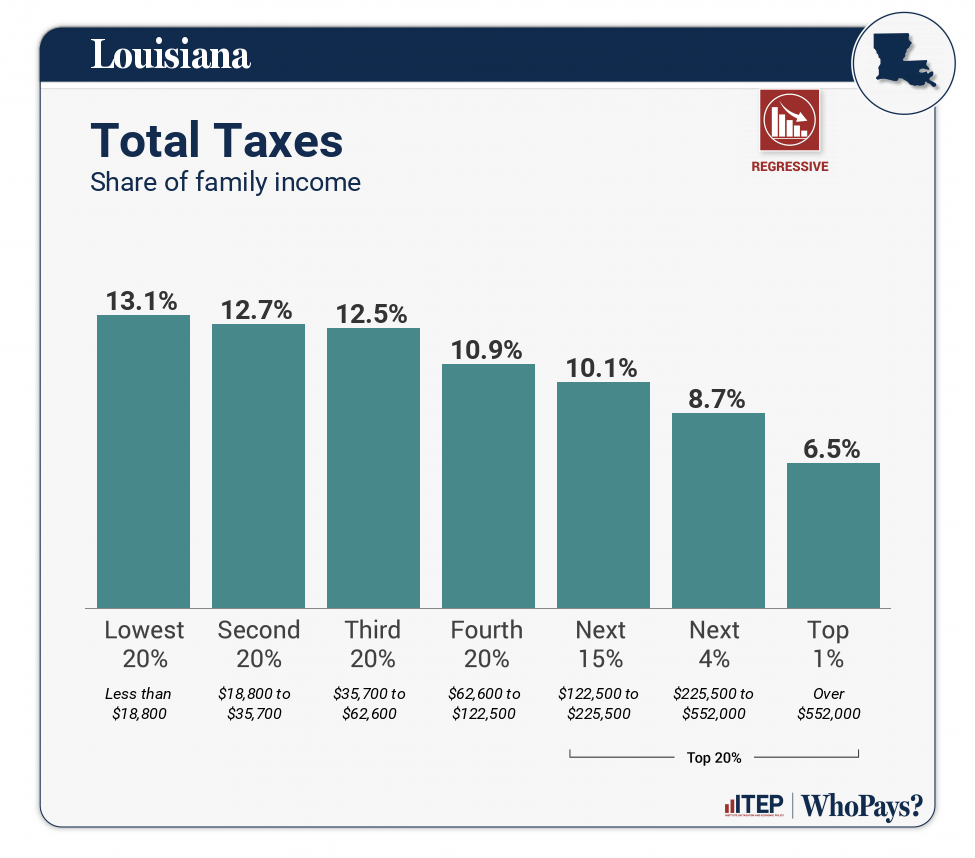
State-Level Base Rates
The state base sales tax is currently set at 4.45%. This baseline applies to the purchase of most tangible personal property and certain services. For the average traveler, this is the foundation upon which your daily expenses are built. Whether you are purchasing souvenirs in Baton Rouge or booking a boutique rental, this 4.45% is the constant variable.
The Role of Local Jurisdictions
The complexity of the Louisiana tax system arises from the local add-ons. Parishes, which are the state’s equivalent of counties, along with individual cities like Shreveport or Lake Charles, often levy their own taxes to fund local infrastructure, school systems, and tourism boards. As a result, the “real” tax rate in a specific area can fluctuate significantly depending on your exact GPS coordinates.
Impact on Tourism and Hospitality Expenses
When you are indulging in the world-class French Quarter experience, the tax rate is often higher than it is in more rural areas. This is primarily due to additional occupancy taxes designed to fund the thriving tourism industry that defines the state.
Hotel and Lodging Surcharges
If you are staying at a luxury property like the Hotel Monteleone or a charming bed-and-breakfast in St. Francisville, you will encounter more than just the standard sales tax. Many popular tourist destinations apply an occupancy tax, sometimes referred to as a “bed tax.” These funds are explicitly directed toward marketing the city, maintaining public spaces, and hosting world-famous events like Mardi Gras.
Travelers should be prepared for:
- State Sales Tax: The standard 4.45% base.
- Local Sales Tax: Varying rates imposed by the city and parish.
- Occupancy/Tourism Tax: A percentage or flat fee per night that varies by hotel category and location.

Dining and Entertainment Taxes
The culinary scene in Louisiana is perhaps its greatest attraction. From the legendary Commander’s Palace to casual po-boy shops, the price on the menu is rarely the final price. When dining out, you are often paying the state rate plus a substantial local hospitality tax. These tax revenues help sustain the local economy, keeping the vibrant festivals and historic districts of places like Natchitoches pristine for visitors.
Strategies for Budget-Conscious Travelers
For those looking to maximize their travel budget, understanding these tax variations is a form of smart travel. Small adjustments to your itinerary can lead to significant savings over the course of a week-long vacation.
Choosing Your Base of Operations
If you are planning an extended stay, compare the tax rates of different municipalities. Sometimes, staying just outside the city limits of a major hub like Metairie versus staying directly in the downtown core can result in a lower aggregate tax rate on your lodging. While you may have to commute to visit major landmarks, the total cost of your accommodation could be noticeably lower.
Understanding Tax-Free Opportunities
Louisiana occasionally offers tax-free holidays or specific exemptions for international visitors. If you are shopping for high-end goods, it is worth checking if your purchases qualify for any specialized tax-free shopping programs, which are sometimes offered in major shopping districts near Canal Street.
Tips for Tracking Expenses
- Keep your receipts: Because of the compounding nature of state and local taxes, keeping a detailed record is helpful if you are traveling for business and need to account for your expenditures.
- Check the “Total Cost” before booking: When using online booking platforms, ensure you are looking at the final price including all taxes and fees, as the initial quote often hides the “hidden” tax burden of the local area.
- Factor in the “Tourism Tax”: Be aware that popular destinations like New Orleans have higher overall tax impacts on tourists than smaller, quieter towns. Budgeting an extra 10% to 15% for taxes beyond the menu price is a safe rule of thumb to avoid sticker shock.
Planning for Long-Term Stays
For digital nomads or travelers looking for a long-term apartment rental, the tax conversation shifts slightly. If you enter a long-term lease, the tax implications change compared to the short-term nightly rates applied to tourists.
Short-Term vs. Long-Term Taxation
Most hotel and short-term rental taxes are only applicable for stays under a certain duration—often 30 days. If you plan to stay in an apartment for more than a month, you may be able to negotiate a lease that bypasses the daily occupancy tax. This is a common strategy for business travelers staying in cities like Lafayette for project-based work.
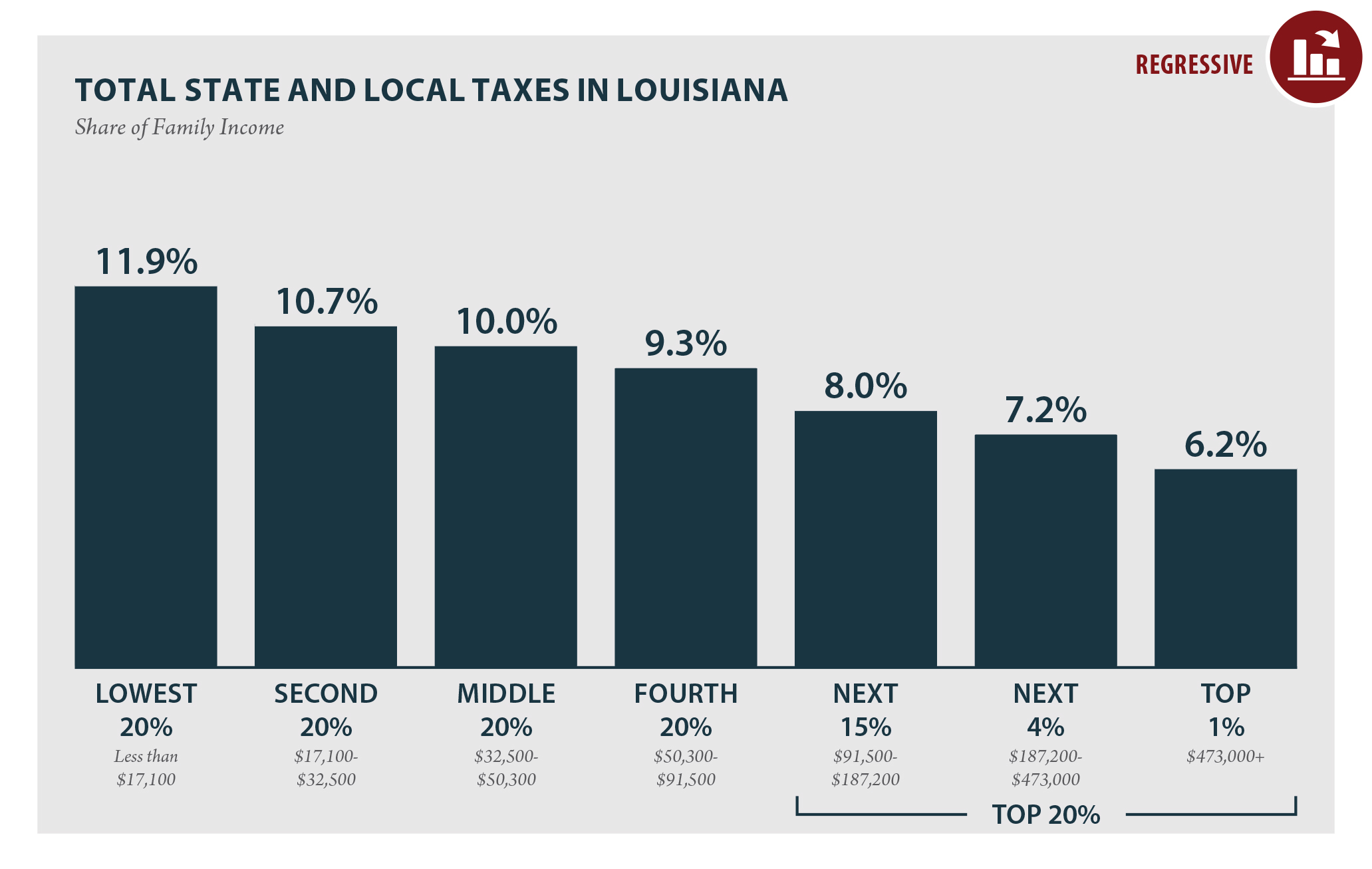
Local Business Licenses and Taxes
If you are a professional operating in the region, remember that Louisiana is unique in how it handles business-related transactions. Local tax auditors are often very diligent, and understanding your specific parish requirements is part of being a responsible guest or temporary resident. Whether you are in the historic Garden District or working from a co-working space in Shreveport, acknowledging the local tax structure demonstrates a professional approach to your stay.
By approaching your trip with a clear understanding of the tax landscape, you can focus less on the fine print and more on the cultural richness of the Bayou State. From the bustling music halls of Frenchmen Street to the serene swamplands of the Atchafalaya Basin, being tax-savvy ensures your adventure remains as financially comfortable as it is culturally rewarding.
LifeOutOfTheBox is a participant in the Amazon Services LLC Associates Program, an affiliate advertising program designed to provide a means for sites to earn advertising fees by advertising and linking to Amazon.com. Amazon, the Amazon logo, AmazonSupply, and the AmazonSupply logo are trademarks of Amazon.com, Inc. or its affiliates. As an Amazon Associate we earn affiliate commissions from qualifying purchases.