
When planning a journey through the bayous, jazz clubs, and historic plantations of the Deep South, travelers often find themselves needing more than just a sense of direction; they need precision. Navigating the Pelican State requires an understanding of how its geography is categorized, particularly when it comes to the logistics of mail, navigation, and regional identification. While there is no single “Louisiana Zip Code,” the state is a complex tapestry of postal zones that define its vibrant regions, from the bustling streets of New Orleans to the quiet majesty of Acadiana.
Understanding the Postal Geography of Louisiana
The United States Postal Service assigns ZIP Codes based on the distribution of mail rather than strictly following municipal borders. In Louisiana, these codes are essential for visitors and locals alike to navigate the nuances of the state’s diverse landscape. Because the state stretches from the marshy coast of the Gulf of Mexico to the rolling hills of the north, understanding these zones helps in identifying where you are on the map.

The Significance of the 7-Series
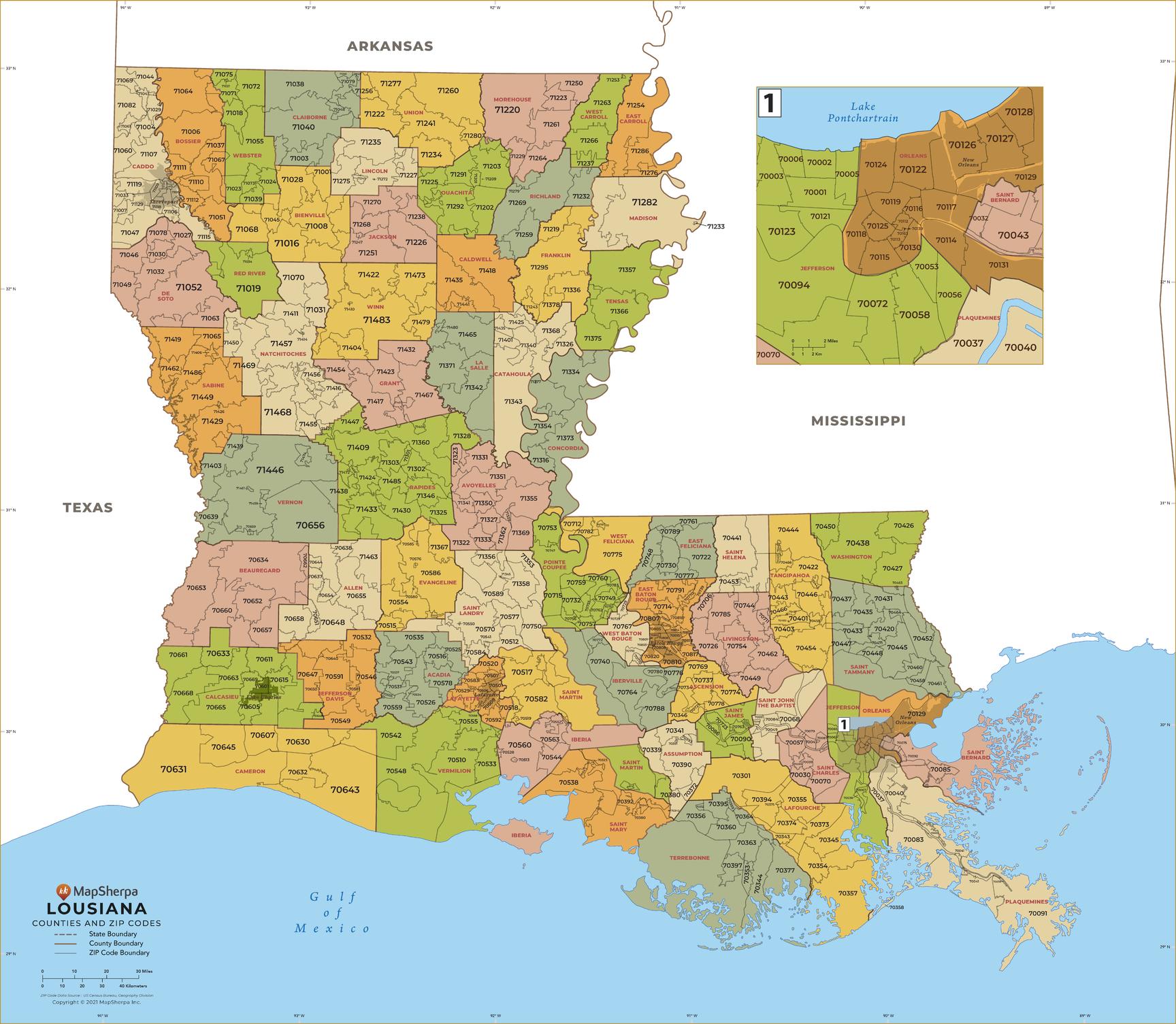
All ZIP Codes in Louisiana begin with the number 7. This is the primary indicator that you are operating within the Louisiana postal territory. However, the four digits that follow determine whether you are in the historic heart of the French Quarter or the industrial corridors near Baton Rouge.
For travelers, knowing the first few digits can be a quick indicator of the region:
- 70xxx: Southern Louisiana, including the Greater New Orleans area and the Gulf Coast.
- 71xxx: Northern and Central Louisiana, reaching up toward the borders of Arkansas and Texas.
By understanding this breakdown, tourists can better estimate travel times between attractions. If you are staying at a resort in the Garden District and planning a day trip to the northern parishes, the difference in the ZIP Code prefix can signal a significant drive across the state’s expansive geography.
Navigating by Region: Where Zip Codes Define Culture
Louisiana is defined by its distinct cultural regions. Whether you are seeking the Zydeco music of Lafayette or the serene plantations of St. Francisville, the ZIP Code serves as a silent guide to the local character of the area.
Southern Louisiana and the Coastal Charm
In the southern part of the state, ZIP Codes often reflect the proximity to the bayous. Areas near Houma and Thibodaux feature specific codes that are vital for booking transportation or finding remote wildlife tour guides. When you see a ZIP Code starting with 70, you are generally in the humid, lush, and culturally rich heart of Cajun and Creole country.
Northern Louisiana’s Hills and Heritage
As you travel north toward Shreveport or Monroe, the landscape shifts from coastal marshes to piney woods and rolling hills. The 71-series ZIP Codes encompass the historic sites, riverboat casinos, and agricultural hubs of this region. For those on a road trip, using these codes in a GPS device ensures that you are guided to the specific parish seat rather than a generic regional center, which is crucial when exploring the rural backroads of Caddo Parish.
Practical Tips for Travelers Using Regional Codes
When you are deep in the planning stages of a Louisiana getaway, the ZIP Code is more than just a number; it is a tool for logistical efficiency. Using these codes correctly can save time, money, and frustration during your stay.
Precision in Booking and Shipping
If you are ordering tickets for a festival in Breaux Bridge or shipping items from a local art gallery in Jackson Square, accuracy is paramount. Because many rural areas in Louisiana share post offices, the ZIP Code acts as the primary filter for logistics providers. Always confirm the five-digit code for your specific accommodation—be it a bed-and-breakfast in St. Martinville or a luxury suite near the Mississippi River.
The Role of Zip Codes in Digital Navigation
Modern navigation systems rely heavily on geocoding. When searching for tourist destinations like the Audubon Aquarium of the Americas or the National World War II Museum, entering the correct ZIP Code helps ensure your GPS does not confuse a street name in a small town with a similar street name in the major metropolitan areas. Louisiana has many duplicate street names across different parishes, making the zip code the tie-breaker for your destination.
Why Geography Matters in the Pelican State
Louisiana is a state defined by its relationship with water and land. From the Atchafalaya Basin to the coastal erosion projects in Grand Isle, the geography is constantly shifting. While ZIP Codes remain relatively static, they provide a framework for understanding the density and accessibility of different zones.
Connecting Through Cultural Hubs
Each ZIP Code zone in Louisiana tends to cluster around a cultural hub. For instance, the codes around Lake Charles are distinctly tied to the entertainment and gaming industry of the southwestern coast, while those in Mandeville and Covington reflect the more tranquil lifestyle of the Northshore. By grouping your itinerary according to these postal zones, you can minimize transit time and maximize your experience at local attractions.

Beyond the Mailbox
While the official purpose of these codes is to organize the delivery of mail, for the savvy tourist, they are a lens through which to view the state. Recognizing the transition from the 700xx series of the coast to the 714xx series of the central plains allows a traveler to feel the pulse of the state’s changing terrain. Whether you are navigating the historic architecture of Natchitoches or enjoying a jazz brunch in the Faubourg Marigny, the ZIP Code is the silent constant in your Louisiana adventure.
Ultimately, “What is the Louisiana ZIP Code?” is a question that leads to a deeper appreciation for the state’s structure. It encourages travelers to look beyond the major cities and appreciate the distinct postal and cultural regions that make up the whole. By paying attention to these identifiers, you gain the ability to move through The Bayou State with the confidence of a local, ensuring that every stop on your journey—from the world-famous restaurants of New Orleans to the hidden gems in the rural north—is reached with ease and precision. As you traverse the diverse landscapes, keep these regional codes in mind, and you will find that the geography of Louisiana is as rich and nuanced as its famous culinary traditions and storied history.
LifeOutOfTheBox is a participant in the Amazon Services LLC Associates Program, an affiliate advertising program designed to provide a means for sites to earn advertising fees by advertising and linking to Amazon.com. Amazon, the Amazon logo, AmazonSupply, and the AmazonSupply logo are trademarks of Amazon.com, Inc. or its affiliates. As an Amazon Associate we earn affiliate commissions from qualifying purchases.