
Planning a trip to the capital of Louisiana requires more than just picking a hotel; it requires an intimate understanding of the region’s unique climate. Located along the banks of the Mississippi River, Baton Rouge experiences a humid subtropical climate. This classification means that visitors can generally expect long, hot, and humid summers, accompanied by mild, relatively short winters. Understanding these seasonal nuances is essential for anyone looking to make the most of their visit to the Deep South.
Seasonal Shifts: Navigating the Changing Elements
The weather patterns in this part of the United States shift significantly throughout the year, impacting everything from the clothing you pack to the outdoor activities you might consider.
Spring: The Period of Bloom and Breezes
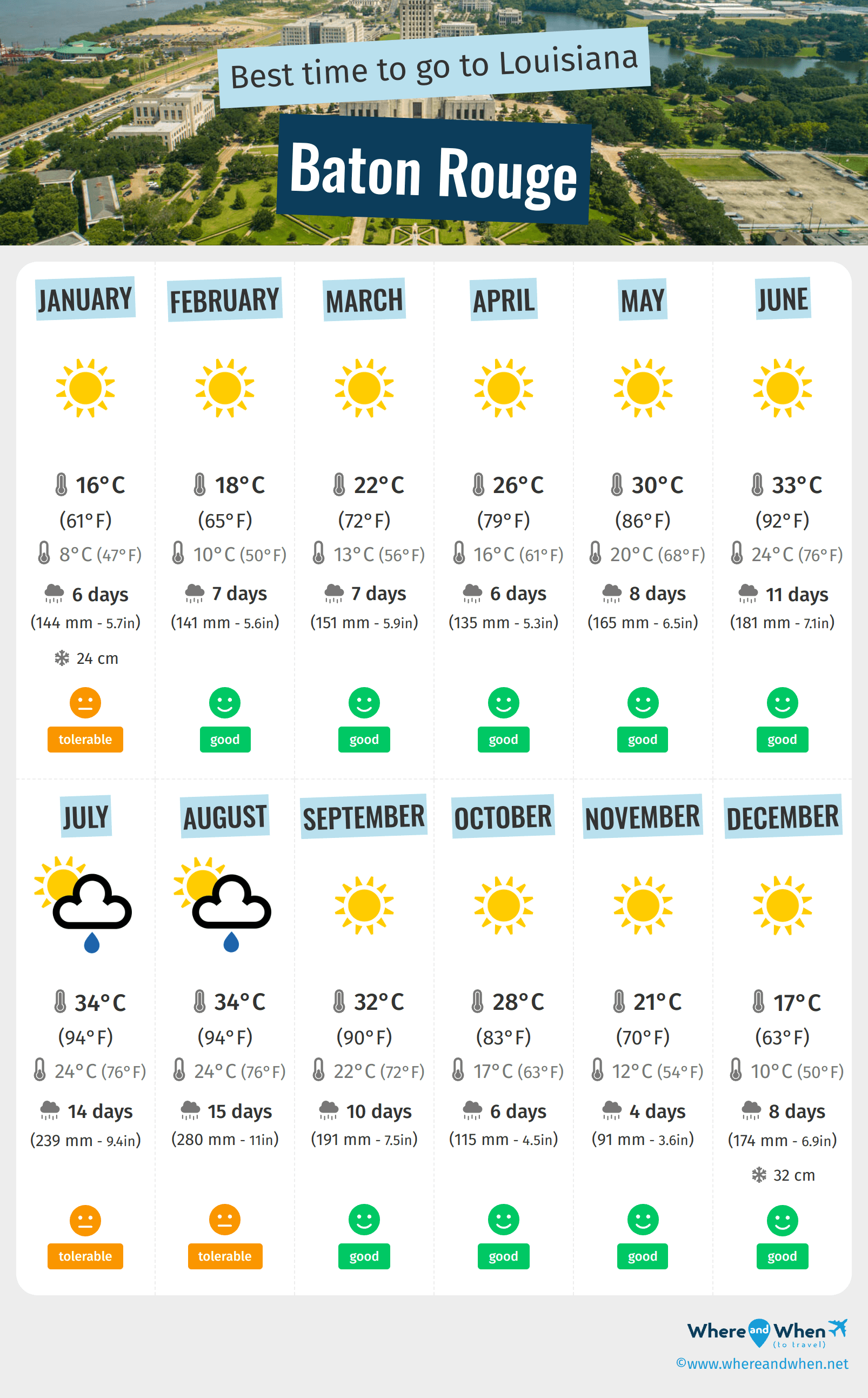
Springtime in Baton Rouge is widely considered the best time for travelers to visit. Beginning in March, the stifling heat of the summer has yet to take hold, and the biting chill of winter has long since retreated. Daytime temperatures usually range from the mid-60s to the high 70s Fahrenheit. This makes it an ideal time to explore the Old State Capitol or take a walking tour through the Downtown district. While spring can be a time of occasional showers, the lush greenery of the surrounding wetlands and parks makes the slight humidity feel refreshing rather than oppressive.
Summer: Embracing the Deep South Heat
Summer, which stretches from June through August, is defined by high temperatures and significant humidity. It is common for the mercury to climb into the 90s, with a heat index that can make it feel even hotter. For those who choose to visit during this time, planning is paramount. The afternoons are frequently punctuated by brief, intense thunderstorms that provide a temporary reprieve from the relentless sun. Visitors often find that the best way to handle the summer heat is to emulate the locals: prioritize indoor attractions like the Louisiana State Museum during the peak of the day and save outdoor excursions for the early morning or the cooler evenings.
Autumn: The Golden Season
As September turns into October, the weather begins to transition into one of the most pleasant periods of the year. The humidity drops, and the air takes on a crisp, cooling edge, especially in the evenings. Average temperatures settle comfortably into the 70s, providing a perfect backdrop for tailgating at Tiger Stadium or visiting the Baton Rouge Zoo. Autumn is perhaps the most comfortable time for outdoor recreation, as the threat of heavy rain diminishes, leaving behind clear, bright blue skies that persist well into November.
Understanding Humidity and Precipitation Patterns
One cannot discuss the climate of Baton Rouge without addressing the moisture. Being in close proximity to the Gulf of Mexico means that the air is almost perpetually humid. This is a defining characteristic of the region’s geography.
Rainfall Expectations
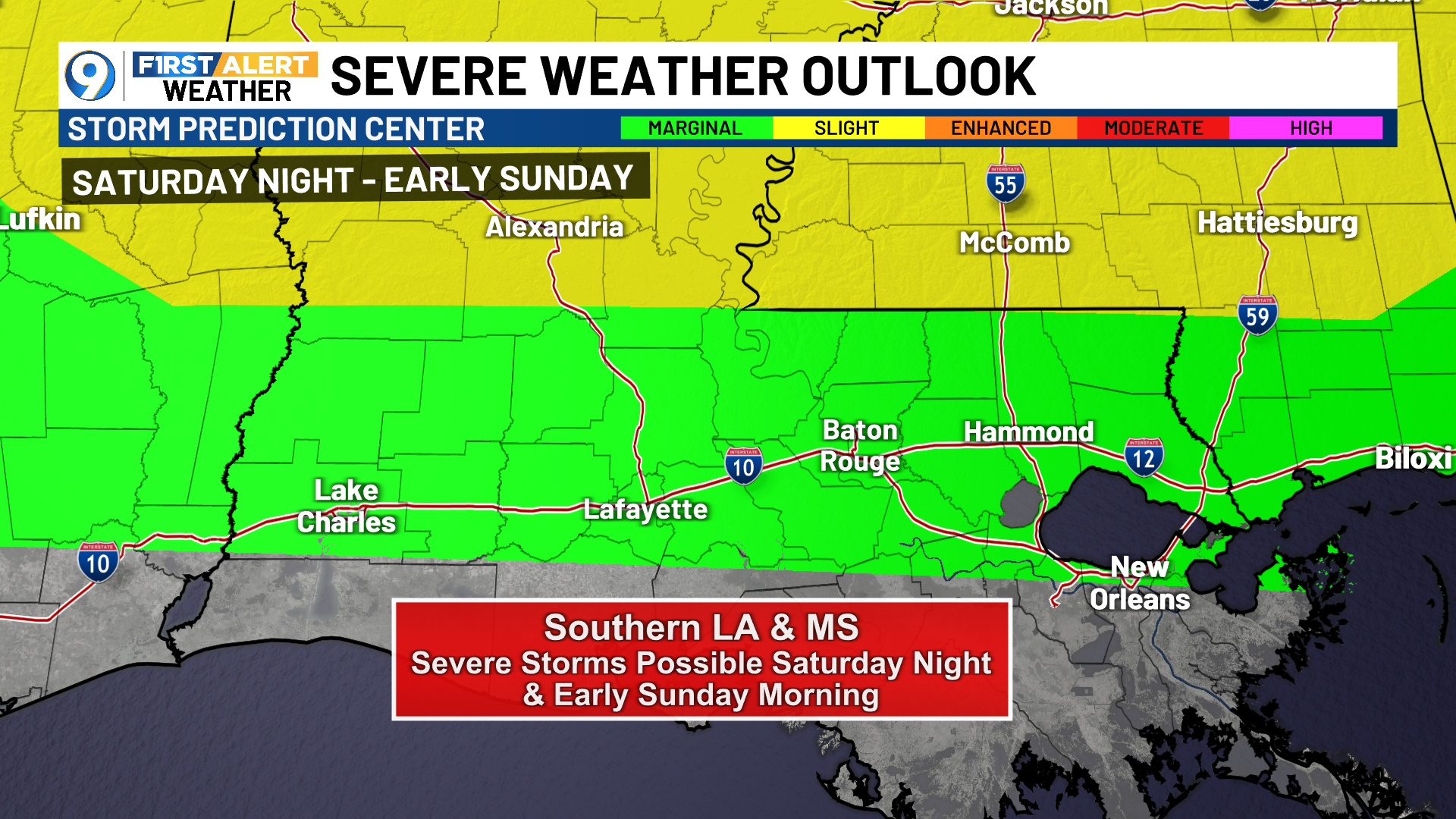
The area receives significant annual rainfall, which contributes to the vibrant, moss-draped oak trees and the expansive wetlands nearby. Rainfall is distributed fairly evenly throughout the year, though the summer months do tend to experience more frequent, heavy downpours. It is always wise to keep a light rain jacket or a compact umbrella in your day bag, regardless of the forecast. These showers are often short-lived but can be quite intense, making proper footwear a smart consideration for those planning to walk extensively.
Managing the Humidity
For travelers accustomed to drier climates, the humidity in Louisiana can be an adjustment. The best approach is to dress in lightweight, breathable fabrics such as linen or moisture-wicking synthetic blends. Hydration is also a critical component of travel here; the humidity makes it easy to lose fluids without realizing it. Many of the city’s premier attractions, such as the Magnolia Mound Plantation, offer shade and historical interior spaces that allow you to retreat from the direct sunlight, helping you manage your exposure throughout the day.
Preparing for Winter and Unexpected Weather Events
While winter in the Deep South is famously mild, it is not without its own distinct characteristics that visitors should understand.
Winter: Mild and Variable
From December through February, temperatures rarely drop to freezing for long. While you might encounter a handful of days where a heavy coat is necessary, the majority of the time, a light jacket or a sweater suffices. Frost is a rare occurrence, and snow is virtually unheard of, making this an attractive destination for those looking to escape the harsh northern winters. It is a quiet, contemplative time to enjoy the scenic beauty of City Park or to explore the historical significance of the Capitol Park Museum without the typical seasonal crowds.
Weather Awareness and Safety
It is important to remain informed regarding the broader weather patterns of the region. Like much of the Gulf Coast, the area is mindful of the Atlantic hurricane season, which runs officially from June through November. While a direct hit on Baton Rouge is statistically less frequent due to its inland location compared to coastal cities, local authorities and hotels are highly experienced in emergency management. Travelers are encouraged to monitor local news outlets or check government weather services when traveling during these months. Modern meteorological tracking provides ample notice, ensuring that your travel plans can be adjusted safely and efficiently if necessary.

Practical Tips for the Discerning Traveler
To ensure your trip remains enjoyable regardless of what the thermometer reads, keep these strategic considerations in mind.
- Layering is Key: Even in the height of summer, some venues keep their air conditioning quite low. Having a light layer can prevent you from feeling chilled when entering museums or restaurants from the outside heat.
- Sun Protection: The sun in Louisiana is potent, even on overcast days. A wide-brimmed hat, sunglasses, and high-SPF sunscreen are non-negotiable items for any sightseeing itinerary.
- Flexibility in Scheduling: Embrace the “go with the flow” attitude that defines the culture of the region. If a sudden thunderstorm occurs, take the opportunity to duck into a nearby coffee shop or a cozy boutique to wait it out—often, these are the moments where you discover the most authentic side of the city.
- Check the Forecast Before Visiting Sites: If you are planning a day at the Atchafalaya National Wildlife Refuge, always check the local forecast that morning. Nature-based activities are inherently tied to weather conditions, and shifting your itinerary by just a few hours can turn a wet, overcast day into a beautiful, sun-drenched experience.
By staying aware of the meteorological nuances of this vibrant city, you can ensure that your focus remains on the rich history, the incredible food, and the warm hospitality that Baton Rouge is famous for. Whether you are walking through the historic grounds of the Louisiana State University campus or enjoying the nightlife near the riverfront, being prepared for the weather allows you to enjoy every moment of your visit to the heart of the South.
LifeOutOfTheBox is a participant in the Amazon Services LLC Associates Program, an affiliate advertising program designed to provide a means for sites to earn advertising fees by advertising and linking to Amazon.com. Amazon, the Amazon logo, AmazonSupply, and the AmazonSupply logo are trademarks of Amazon.com, Inc. or its affiliates. As an Amazon Associate we earn affiliate commissions from qualifying purchases.