
For travelers and locals alike, timing is everything when experiencing the unique atmosphere of the American South. Whether you are planning a romantic evening along the Mississippi River or looking for the perfect lighting for photography in the French Quarter, understanding the solar schedule in Louisiana is essential. Because the state sits at a lower latitude, the transition from day to night often feels swifter and more dramatic than in northern regions, painting the bayous and cityscapes in vivid, fleeting colors.
The Seasonal Shift of Sunset Times
Sunset in Louisiana is not a static event. It fluctuates significantly throughout the year due to the Earth’s axial tilt, affecting everything from your dinner reservations in New Orleans to your swamp tour schedule in Lafayette.

Summer Solstice and Long Evenings
During the height of summer, specifically in late June, the sun reaches its northernmost point, granting the Pelican State some of its latest sunsets of the year. In cities like Baton Rouge, you can expect the sun to dip below the horizon as late as 8:15 PM or 8:20 PM. These long, humid evenings are prime time for outdoor activities. The heat of the day begins to dissipate, and the cooling breezes off Lake Pontchartrain make for an ideal environment to explore local parks or enjoy an al fresco meal.
The Winter Contraction
As the year progresses toward December, the daylight hours shorten considerably. By the time the winter solstice arrives, sunset in Shreveport or Monroe can occur as early as 5:10 PM. While the shorter days mean less time for sightseeing, they offer a different kind of magic. The early onset of darkness transforms the historic streets of Natchitoches into a wonderland of lights, particularly during their famous holiday festival season, where the early dusk enhances the glow of thousands of twinkling bulbs reflected in the Cane River Lake.
Geographic Variations Across the State
While Louisiana is a relatively flat state, its breadth from east to west creates slight variances in sunset times. The state covers two different longitudes, which influences the solar cycle.
Coastal vs. Inland Experiences
The coastal regions, such as the areas near Grand Isle or Cameron Parish, provide some of the most unobstructed sunset views in the entire South. When standing on the shores of the Gulf of Mexico, the horizon is vast and clear. Inland, however, the thick canopy of the Atchafalaya Basin or the heavy urban architecture of downtown New Orleans can make the sun appear to set a few minutes earlier than it officially does on a weather clock, as it disappears behind the tree line or skyline prematurely.
Western Influence
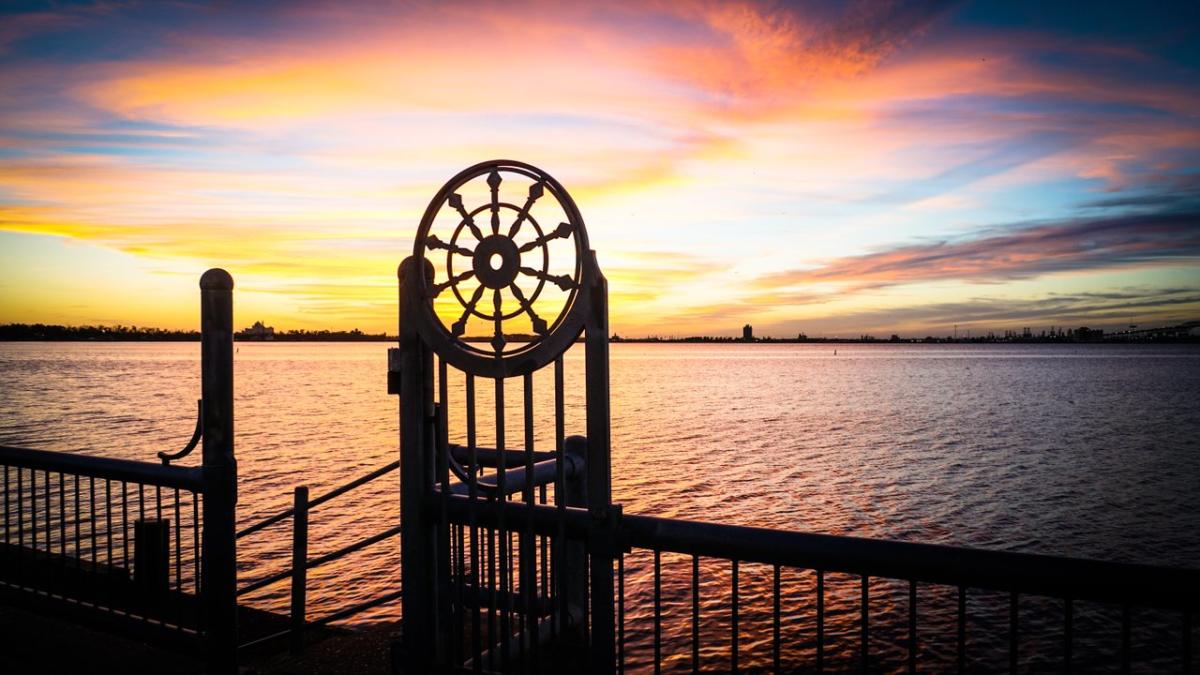
If you are traveling toward the western border near Lake Charles, you will find that sunset occurs slightly later than in the eastern parts of the state. Even a difference of ten to fifteen minutes can be the deciding factor in whether you catch the “golden hour”—that fleeting moment of soft, warm light that photographers crave. If you are chasing the sunset for a photoshoot at Avery Island, it is wise to consult local almanacs specific to that exact coordinate rather than relying on state-wide averages.
Planning Your Activities Around the Sunset
Knowing the sunset time is more than just a logistical convenience; it is a vital part of the Louisiana tourism experience. The state’s culture is deeply tied to the rhythms of the day, and many of its best activities are best enjoyed as the sky changes colors.
Twilight on the Water
One of the most popular ways to experience the sunset in Louisiana is on the water. Whether you are aboard a steamboat cruising the Mississippi River or paddling a kayak through the cypress-laden waters of Honey Island Swamp, the transition from twilight to dark is an ethereal experience. As the sun dips below the horizon, the sounds of the marsh change. Nocturnal creatures begin to emerge, and the temperature drops just enough to make the evening air comfortable.
Dining and Nightlife
In cities like New Orleans, the sunset serves as a transition point from the afternoon’s sightseeing to the night’s revelry. Many rooftop bars along Canal Street or near Jackson Square offer curated “sunset cocktails.” Watching the sky turn purple and orange over the historic steeples of the St. Louis Cathedral is a rite of passage for any visitor. By checking the sunset time, you can ensure you are seated with a view exactly when the transition begins.

Tips for Sunset Seekers
To make the most of your visit, consider these practical tips for timing your evening adventures:
- Check the Nautical Twilight: Remember that the sun doesn’t just vanish; the period of twilight often provides the best light. In Louisiana, where the atmosphere can be quite humid, this twilight phase can last longer than in arid climates, providing a rich palette of colors that lasts well after the sun has officially set.
- Safety in the Swamps: If you are planning an excursion into nature, such as a visit to Jean Lafitte National Historical Park and Preserve, ensure you have finished your hike or boat trip before true darkness falls. Navigating these environments at night can be difficult and disorienting.
- The “Golden Hour” Buffer: If you are a photographer, plan to arrive at your location at least 45 minutes before the official sunset time. This ensures you catch the softest light, which is perfect for capturing the unique architecture of Garden District homes or the natural beauty of Kisatchie National Forest.
- Regional Differences: Always verify the sunset time for the specific city you are visiting. A sunset in Alexandria might be significantly different from a sunset in Slidell, and your travel itinerary should account for these nuances.
By aligning your schedule with the movement of the sun, you gain a deeper appreciation for the rhythms of Louisiana. From the bustling streets of New Orleans to the quiet, moss-draped silence of the rural bayous, the changing light transforms the landscape, offering a new perspective on this vibrant and historically rich state with every passing day. Plan ahead, keep your eyes on the horizon, and prepare to witness some of the most stunning sunsets in the American South.
LifeOutOfTheBox is a participant in the Amazon Services LLC Associates Program, an affiliate advertising program designed to provide a means for sites to earn advertising fees by advertising and linking to Amazon.com. Amazon, the Amazon logo, AmazonSupply, and the AmazonSupply logo are trademarks of Amazon.com, Inc. or its affiliates. As an Amazon Associate we earn affiliate commissions from qualifying purchases.