
For the culinary traveler or the dedicated seafood enthusiast, few experiences rival the taste of fresh, sweet gulf shrimp pulled directly from the brackish waters of Louisiana. While shrimp is a menu staple year-round across the United States, the state’s distinct seasons dictate the size, flavor, and availability of the catch. Understanding the nuances of these seasons is the key to planning a trip that centers on the very best of Southern coastal cuisine.
The Rhythm of the Tides: Understanding Louisiana Shrimp Seasons
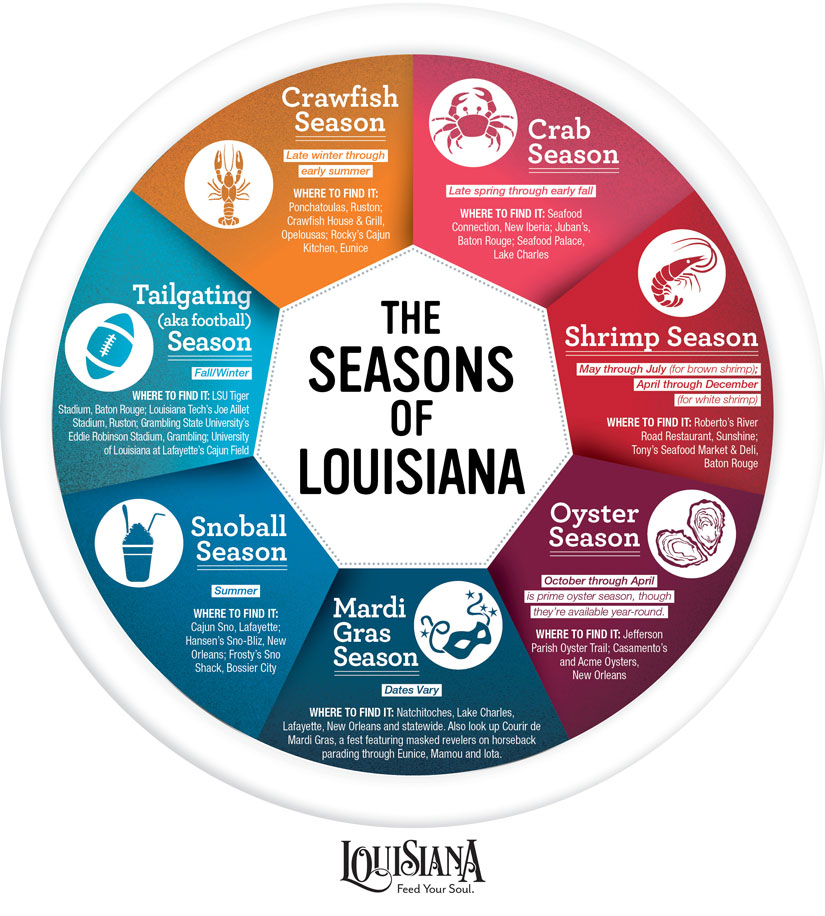
Shrimping in Louisiana is not a single, year-long event. Instead, it is a highly regulated industry managed by the Louisiana Department of Wildlife and Fisheries. The state’s inland and coastal waters are meticulously monitored to ensure that shrimp reach optimal market sizes before commercial and recreational seasons open. Generally, there are two primary seasons: the spring season and the fall season.

The Spring Season: The Arrival of Brown Shrimp
The spring season typically kicks off in May and represents the primary harvest for brown shrimp. During this period, the waters are teeming with activity, and the shrimp are often smaller, prized for their delicate texture and sweet flavor profile. This is a time of high energy in coastal hubs like Morgan City and Golden Meadow, where boats head out at dawn to capitalize on the initial opening of the season. For visitors, this is the perfect window to enjoy the “early harvest,” often featured in signature dishes at local cafes and roadside stands.
The Fall Season: The White Shrimp Harvest
As the temperatures begin to cool, the focus shifts to white shrimp, which tend to grow larger and meatier than their spring counterparts. The fall season usually begins in August and can extend well into the winter months. White shrimp are highly sought after for boiling and are the centerpiece of many legendary Cajun feasts. If you are planning a trip to New Orleans or Lafayette during the autumn, you are in for a treat as local chefs integrate these larger, succulent crustaceans into gumbo, étouffée, and jambalaya.
Where to Experience the Best Shrimp Culture
While you can find shrimp across the state, some regions offer a more immersive cultural experience for those looking to connect with the source of their food. The culture of shrimping is deeply ingrained in the local identity, particularly in areas where the heritage of fishing families spans generations.
Exploring the Coastal Parishes
To truly understand the lifecycle of the industry, a journey to the coastal parishes is essential. In St. Mary Parish or Terrebonne Parish, the landscape is defined by the marshlands and the hardworking boats that traverse them. Travelers can engage with the local economy by visiting docks where the catch is landed. Watching the unloading process provides a profound appreciation for the labor-intensive reality behind the gourmet platters served in upscale restaurants.
The Culinary Epicenters
If your interest leans more toward the plate than the boat, certain cities stand out as essential stops. New Orleans is, of course, the primary destination for world-class preparation, but don’t overlook the smaller, authentic kitchens found in places like Houma or Thibodaux. Here, the shrimp are often treated with a reverence that emphasizes simplicity—a light boil with Zatarain’s or a quick sauté in butter and garlic is all that is needed to highlight the quality of the fresh, local haul.
Essential Tips for the Seafood Traveler
Visiting during the peak of the season is only half the battle. To have the best experience, you must know how to navigate the local food scene and understand the variables that affect your dining options.
Fresh vs. Frozen: Knowing the Difference
It is a common misconception that “fresh” means straight from the boat every single day. While peak season provides the best access to fresh, never-frozen shrimp, modern freezing technology allows high-quality local shrimp to be available throughout most of the year. When visiting a restaurant, do not hesitate to ask if they are serving “local gulf shrimp.” In Louisiana, chefs take immense pride in their sourcing, and they are usually more than happy to tell you exactly where the day’s haul originated.
The Importance of Festivals and Local Events
If you want to time your visit with the peak of community spirit, look for local seafood festivals. The Louisiana Shrimp and Petroleum Festival is one of the oldest and most celebrated events in the state. Held annually, this festival is a testament to the dual industries that have long powered the Gulf Coast. Attending these events is a fantastic way to sample a wide variety of preparations and engage with the people who define the regional food culture.
Responsible Tourism and Conservation
As a visitor, it is important to respect the regulatory environment that protects the Gulf of Mexico ecosystem. The seasons are managed with sustainability in mind; therefore, be mindful that during certain times of the year, specific zones may be closed to shrimping to allow populations to replenish. This is a positive sign of a healthy, managed fishery. By choosing to eat at restaurants that source locally and support the Louisiana fishing industry, you are contributing directly to the preservation of a way of life that has thrived for centuries.
The Cultural Significance of the Shrimping Industry
The story of the shrimp in this region is the story of the people. From the early settlers who adapted to the fertile, marshy environment to the modern, tech-savvy captains of today, the shrimping industry is a pillar of the state’s social fabric.
Heritage and Legacy
Many families in Louisiana have been working the waters for generations. Their influence is felt not just in the markets, but in the folklore, the music, and the architecture of the coastal towns. The iconic sight of shrimp boats docked along the Bayou Teche is not just a photo opportunity; it is a symbol of resilience and heritage. When you travel through these areas, you are witnessing a living history.

A Gastronomic Journey
Every meal enjoyed in Louisiana is an invitation to understand this history. Whether you are cracking boiled shrimp at a picnic table in Lake Charles or enjoying a sophisticated shrimp rémoulade in an elegant dining room in the French Quarter, you are participating in a tradition that elevates simple ingredients into a global culinary icon.
The secret to a successful trip lies in the timing. By aiming for the shoulder months of the spring or fall seasons, you strike a balance between availability and the quintessential experience of witnessing the harvest. As you plan your itinerary, focus on the intersection of the water and the kitchen—that is where the soul of the Gulf Coast truly resides. Whether you are a casual foodie or a seasoned traveler, the flavors of the Louisiana shrimp harvest are guaranteed to leave an indelible mark on your palate and your appreciation for the complexities of regional food culture.
LifeOutOfTheBox is a participant in the Amazon Services LLC Associates Program, an affiliate advertising program designed to provide a means for sites to earn advertising fees by advertising and linking to Amazon.com. Amazon, the Amazon logo, AmazonSupply, and the AmazonSupply logo are trademarks of Amazon.com, Inc. or its affiliates. As an Amazon Associate we earn affiliate commissions from qualifying purchases.