
When travelers look at a map of Louisiana, they often fixate on the world-famous allure of New Orleans. However, just beyond the city limits lies a vibrant, expansive region known as Jefferson Parish. Understanding the geography and culture of this area is essential for any visitor looking to experience the authentic heartbeat of the Gulf Coast.
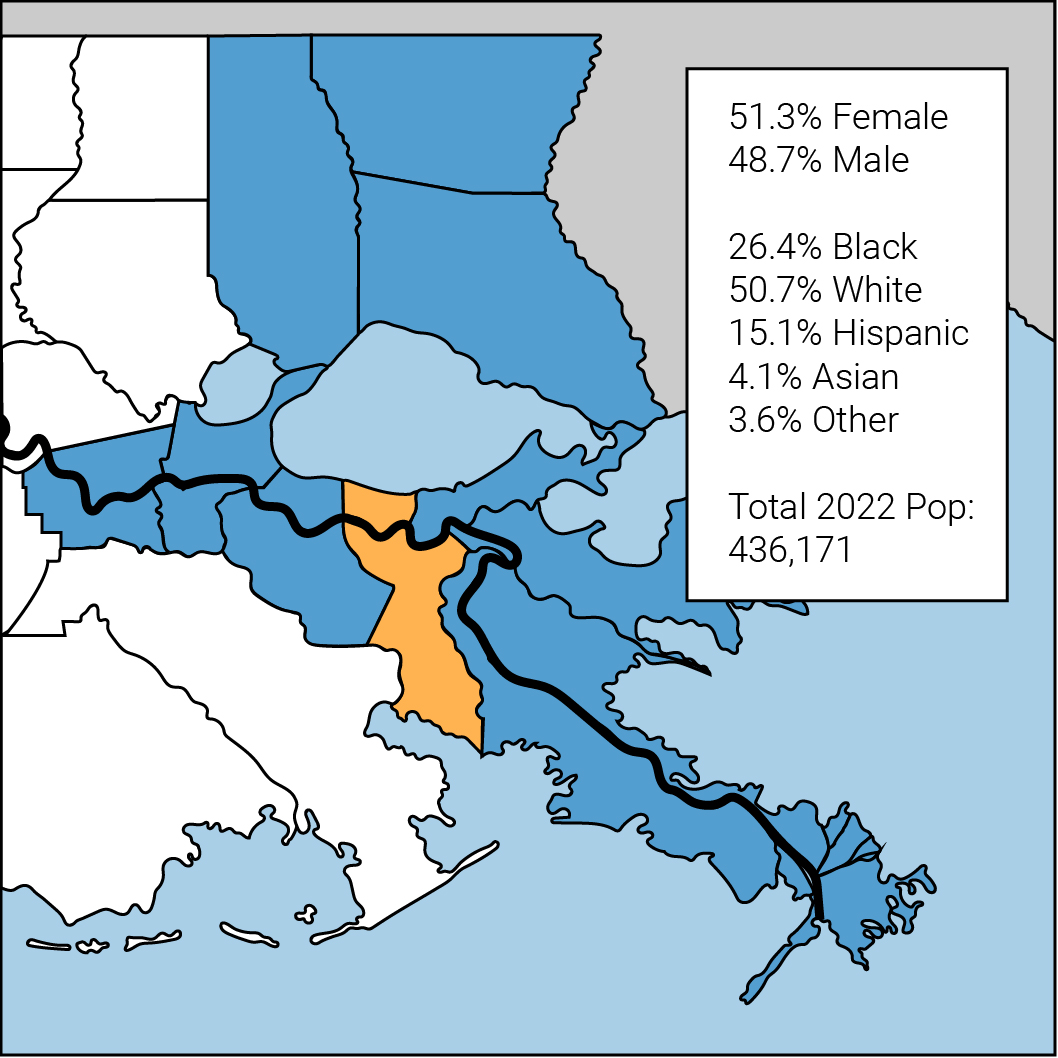
Jefferson Parish is a unique political subdivision in Louisiana, functioning much like a county in other states. It stretches from the banks of the Mississippi River all the way down to the shimmering waters of the Gulf of Mexico. This long, narrow sliver of land encompasses a diverse array of environments, from bustling urban suburbs to quiet, marshy retreats that embody the mysterious spirit of the bayou.

Geography and Strategic Location
To locate Jefferson Parish, one must look at the “greater” New Orleans metropolitan area. The parish is essentially bisected by the Mississippi River, creating two distinct sides often referred to as the East Bank and the West Bank.
The East Bank Corridor
The East Bank of Jefferson Parish is the most densely populated area. It is home to major commercial hubs and bedroom communities such as Metairie and Kenner. If you are flying into the region, you have already arrived in Jefferson Parish, as the Louis Armstrong New Orleans International Airport is located in the heart of Kenner. This area serves as a primary gateway, providing travelers with immediate access to shopping, dining, and suburban conveniences that blend seamlessly into the edge of New Orleans.
The West Bank and Beyond
Crossing the iconic Huey P. Long Bridge transports you to the West Bank, where the pace slows down and the landscape shifts toward industrial roots and serene residential enclaves like Gretna, Harvey, and Marrero. As you travel further south along the winding highways, the suburban sprawl gives way to the vast, untouched beauty of the Barataria Preserve, a vital component of the Jean Lafitte National Historical Park and Preserve.
Cultural Significance and Local Flavor
Jefferson Parish is far more than just a satellite of its famous neighbor. It possesses a distinct cultural identity rooted in a rich tapestry of history, industry, and culinary excellence. For those seeking the “real” Louisiana, the parish offers a deep dive into the traditions that define the region.
The Culinary Map
Food is the language of Louisiana, and Jefferson Parish speaks it fluently. From the bustling seafood markets in Westwego to the refined kitchens in Old Metairie, visitors will find an abundance of local delicacies. Because the parish sits between the river and the Gulf, fresh catches like crawfish, shrimp, and blue crab are staples on almost every menu. Dining here offers a more localized, community-driven experience compared to the tourist-heavy districts of the French Quarter.
Festivals and Community Spirit
The parish is also a hub for celebrations. During the Mardi Gras season, Jefferson Parish hosts several high-energy parades that attract locals who prefer a family-oriented environment over the chaotic congestion of the city center. Events held in Metairie, such as those traversing Veterans Memorial Boulevard, have become beloved traditions that highlight the strong sense of community pride found throughout the parish.
Exploring the Natural Landscape
One of the most compelling reasons to venture into Jefferson Parish is its proximity to nature. While many visitors to Louisiana remain confined to city sidewalks, the southern reaches of the parish offer a gateway into the wild, untamed ecosystems of the wetlands.
Nature Trails and Wetlands
The Barataria Preserve provides miles of boardwalks that wind through cypress-tupelo swamps and bottomland hardwoods. This is an essential stop for birdwatchers, photographers, and anyone interested in the complex ecology of the Mississippi River Delta. It is a place where you can hear the rustle of alligators in the water and spot herons gliding through the moss-draped branches, providing a stark, quiet contrast to the nearby urban intensity.
Fishing and Maritime Heritage
The southern boundary of the parish reaches toward the fishing villages of Lafitte. This area is a haven for recreational anglers and charter boat enthusiasts. The proximity to the Gulf waters means that professional charters frequently depart from these docks, offering deep-sea fishing expeditions that highlight the importance of the maritime industry to the Louisiana economy. Exploring this portion of the parish gives visitors a clearer understanding of the delicate balance between the land and the rising waters, an ongoing story that shapes life in the Bayou State.

Practical Tips for Your Visit
Navigating Jefferson Parish requires a bit of planning, especially if you intend to move between the East and West Banks.
- Transportation: While there is some public transit, having a rental car is highly recommended for exploring the parish. The geography is spread out, and the most scenic, nature-focused spots in the south are best accessed by personal vehicle.
- Timing Your Trip: Much like the rest of Southeast Louisiana, summers in Jefferson Parish are humid and warm. The best time to visit is during the spring or autumn months when the weather is mild, making outdoor activities like hiking the Jean Lafitte National Historical Park and Preserve trails much more comfortable.
- Connectivity: Because it is adjacent to New Orleans, visitors can easily stay in one of the many hotels in Metairie and take a quick ride into the Central Business District for a day of sightseeing. This approach offers the benefit of quieter accommodations without sacrificing access to the major landmarks of the region.
- Cultural Etiquette: Keep in mind that Jefferson Parish is a collection of distinct communities. When visiting places like Gretna, take the time to appreciate the small-town history and the preservation efforts of the local historical societies. The people here are generally very welcoming and proud to share the history of their specific corners of the parish.
Jefferson Parish is a fundamental pillar of the Louisiana experience. It is where the modern infrastructure of air travel meets the ancient, shifting sands of the Mississippi Delta. Whether you are searching for the best plate of gumbo, a quiet walk through a swamp, or a convenient base from which to explore the broader region, Jefferson Parish is an indispensable destination. By venturing beyond the well-trodden paths of the city, you unlock a deeper, more nuanced version of Louisiana that is well worth the time to explore.
LifeOutOfTheBox is a participant in the Amazon Services LLC Associates Program, an affiliate advertising program designed to provide a means for sites to earn advertising fees by advertising and linking to Amazon.com. Amazon, the Amazon logo, AmazonSupply, and the AmazonSupply logo are trademarks of Amazon.com, Inc. or its affiliates. As an Amazon Associate we earn affiliate commissions from qualifying purchases.