
The history of Louisiana is a complex tapestry woven from the ambitions of European empires, the indigenous legacies of the Mississippi River basin, and the resilient spirit of the people who settled its swamps and bayous. While the question of who “founded” the region often leads to a single name in history textbooks, the reality of Louisiana’s origin is a multifaceted story of exploration, colonization, and shifting colonial powers.
The French Exploration and the Claim of La Salle
The formal entry of France into the region that would become Louisiana began with the intrepid exploration of René-Robert Cavelier, Sieur de La Salle. In 1682, moving southward from the Great Lakes, La Salle reached the mouth of the Mississippi River. Standing at the Gulf of Mexico, he claimed the vast drainage basin of the river for King Louis XIV.
The Naming of the Territory
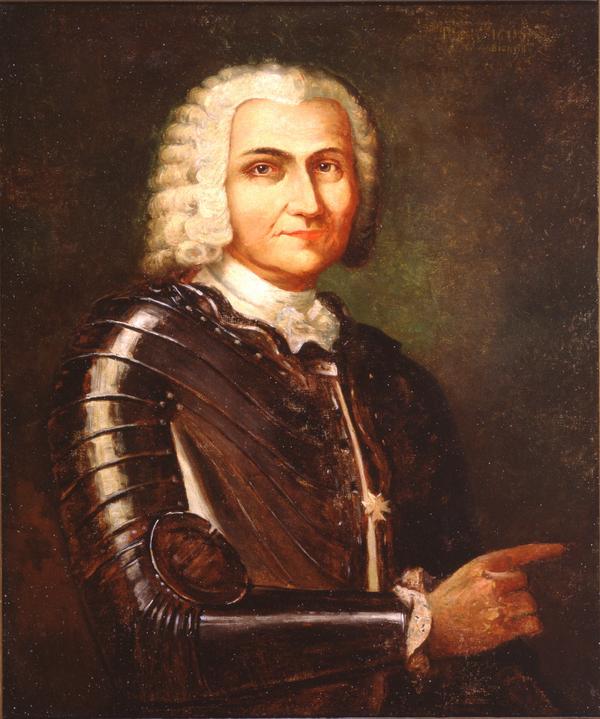
It was La Salle who bestowed the name “La Louisiane” upon the territory, an act of political grandiosity meant to honor the French monarch. By claiming this massive swath of land—stretching from the Gulf to the present-day Canada border—La Salle effectively established the territorial foundation of what would eventually become a state. However, claiming land and establishing a stable settlement were two different challenges. La Salle’s initial attempt to return by sea to colonize the mouth of the river ended in disaster, shipwreck, and his eventual assassination by his own men in present-day Texas.
The Iberville and Bienville Legacy
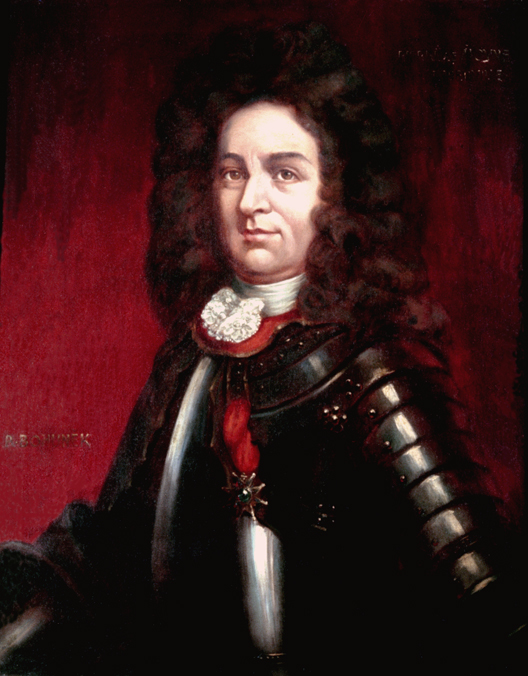
If La Salle provided the title, it was the brothers Pierre Le Moyne d’Iberville and Jean-Baptiste Le Moyne de Bienville who provided the infrastructure. Realizing that the Spanish were beginning to look toward the Gulf Coast with territorial interest, the French Crown dispatched Iberville in 1699 to relocate the mouth of the Mississippi and fortify the French presence.
The Birth of New Orleans
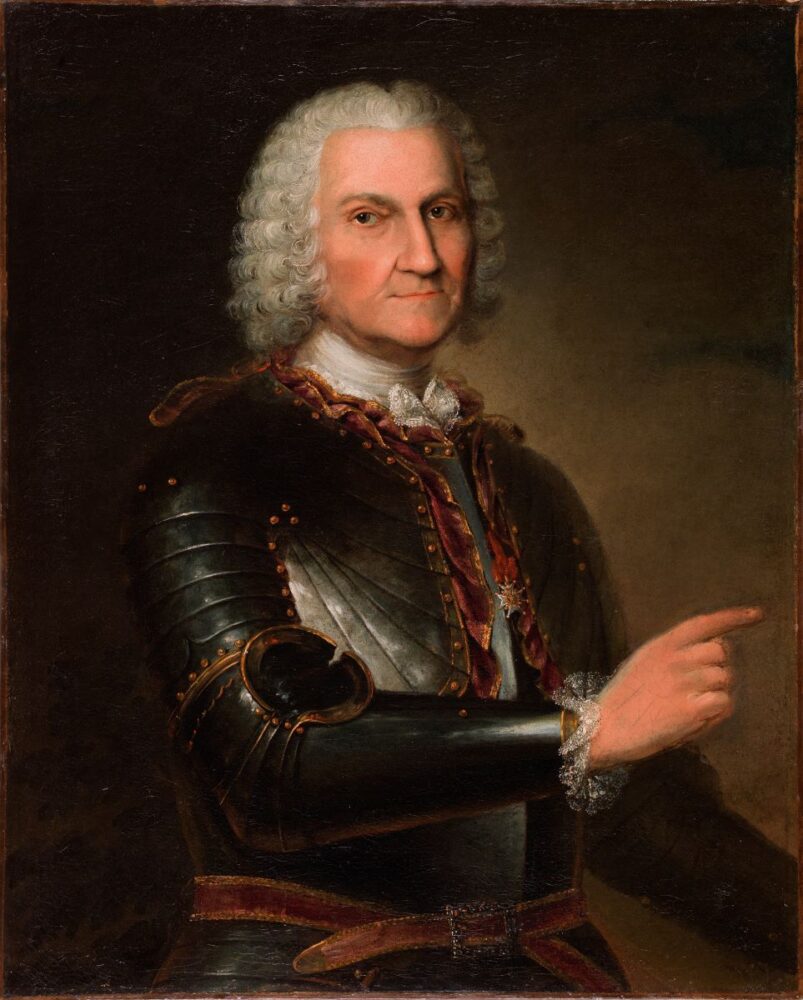
While Iberville is often credited as the founder of the first permanent French settlement in the region—Fort Maurepas—it is his younger brother, Bienville, who is arguably the true architect of the state’s cultural heart. As the long-serving governor of the territory, Bienville recognized that if France wanted to control the Mississippi trade route, they needed a strategic port. In 1718, he founded New Orleans.
Choosing a crescent-shaped bend in the river, Bienville defied the geographic challenges of the marshy terrain to establish a city that would become the epicenter of colonial life. His leadership spanned decades, navigating the difficult relationships with indigenous tribes, such as the Natchez and the Choctaw, and managing the constant threat of yellow fever and hurricane-force storms.
The Spanish Influence and the Louisiana Purchase
The founding narrative of Louisiana is frequently interrupted by the realization that France did not hold the territory exclusively. In 1762, as a result of the Seven Years’ War, France ceded the colony to Spain. For nearly forty years, the Spanish administration governed the territory, leaving an indelible mark on the architecture and legal codes of the region, particularly in the heart of the French Quarter.
Transition to the United States
The final chapter of the territory’s “founding” period culminated in the Louisiana Purchase of 1803. Negotiated between Thomas Jefferson and Napoleon Bonaparte, the sale of the territory to the United States fundamentally shifted the trajectory of the region. This acquisition doubled the size of the young American republic and transformed the territory from a colonial outpost into an American state. When Louisiana officially joined the Union in 1812, it was the culmination of over a century of blending French, Spanish, African, and indigenous cultures into a unique American identity.
Indigenous Heritage and the True First Settlers
While historical records favor European explorers, it is essential to acknowledge that Louisiana was never an “empty” land waiting to be founded. Long before La Salle or Bienville arrived, the region was home to complex civilizations. Tribes such as the Houma, the Caddo, and the Chitimacha had established trade networks, agricultural systems, and permanent settlements across the river deltas and uplands.
The Exchange of Knowledge
European survival in the early years of the Louisiana colony was heavily dependent on the indigenous population. Local tribes taught the French how to navigate the intricate waterways, identify local food sources, and cultivate crops that could survive the humid climate. Without this transfer of ecological knowledge, the early French outposts, including the nascent Baton Rouge, would likely have succumbed to starvation or disease within their first few years.
Defining the Legacy of Louisiana
The question “Who founded Louisiana?” rarely yields a simple answer because the identity of the state is not tied to a single founder, but to the intersection of many different groups.
- The Visionaries: La Salle for his exploration and naming.
- The Builders: Iberville and Bienville for establishing the permanent settlements that persisted against all odds.
- The Diplomats: The Spanish administrators who oversaw the region’s growth through the late 18th century.
- The Indigenous Peoples: The true inhabitants who paved the way for successful settlement.
Today, visitors who travel to this storied region can see the remnants of these multiple foundations everywhere. From the wrought-iron balconies of Jackson Square, which reflect both the French and Spanish colonial influences, to the bayous that still carry the names given to them by native tribes, Louisiana serves as a living museum.
Understanding the founders of Louisiana requires looking past the monuments of generals and governors to appreciate the sheer determination required to build a society on the edge of the Gulf of Mexico. Whether one explores the historic Plantation Country or the vibrant streets of Lafayette, the story remains the same: Louisiana was founded by a series of accidents, ambitions, and interconnections that ultimately created one of the most culturally significant regions in the Western Hemisphere. It is this hybrid history that remains the state’s greatest attraction, inviting travelers to peel back the layers of a past that is as rich, deep, and complex as the river that defines it.
LifeOutOfTheBox is a participant in the Amazon Services LLC Associates Program, an affiliate advertising program designed to provide a means for sites to earn advertising fees by advertising and linking to Amazon.com. Amazon, the Amazon logo, AmazonSupply, and the AmazonSupply logo are trademarks of Amazon.com, Inc. or its affiliates. As an Amazon Associate we earn affiliate commissions from qualifying purchases.