
The history of New Orleans, Louisiana, is as complex and vibrant as the city itself. Often referred to as the Crescent City, it sits at the mouth of the Mississippi River, a strategic location that has defined its purpose and identity for centuries. To understand who founded this historic metropolis, one must look toward the ambitious colonial aspirations of 18th-century France.
The Visionary Founders: The Le Moyne Brothers
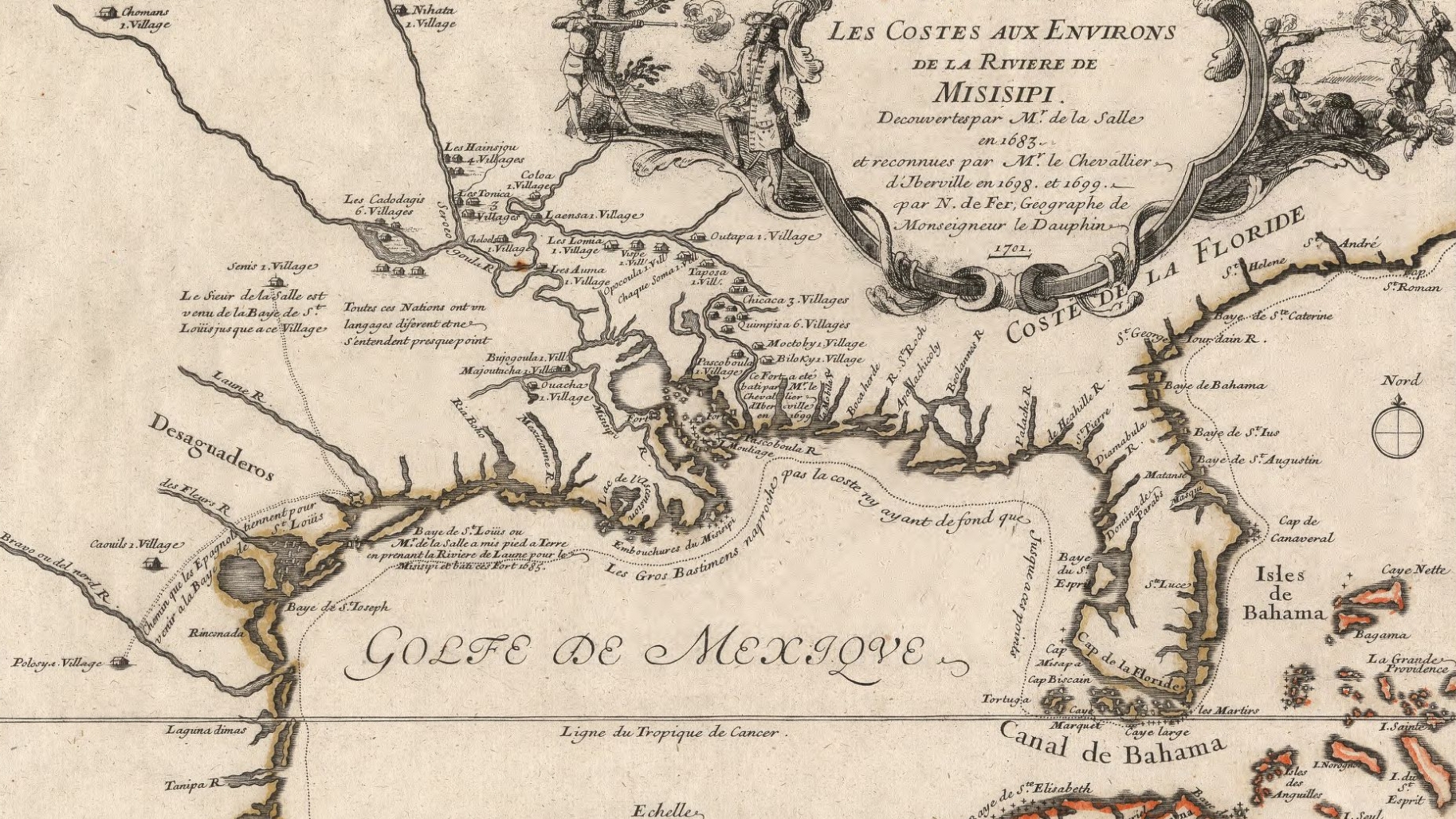
The founding of New Orleans was not the work of a single individual, but rather the result of a concerted effort by the French colonial administration. The primary credit for the establishment of the city in 1718 goes to Jean-Baptiste Le Moyne de Bienville. Bienville, a naval officer and colonial administrator, recognized that for New France to flourish, they required a port city that could facilitate trade and control the vital waterway of the Mississippi.
Selecting the Site
Bienville had long searched for the perfect location to establish a major port. He favored a natural levee along a sharp bend in the river, a spot known as the Portage of St. John. This location provided a relatively high elevation compared to the surrounding marshy terrain and offered access to Lake Pontchartrain via a short overland trek. By choosing this site, Bienville ensured that goods could move between the Gulf of Mexico and the interior of the North American continent with relative ease.
The Influence of Philippe II, Duke of Orléans
The city was named in honor of Philippe II, Duke of Orléans, who served as the Regent for the young King Louis XV. As the patron of the expedition and the man holding the reins of the French government, his name was chosen by Bienville to secure political favor and financial backing for the fledgling settlement. The naming of La Nouvelle-Orléans served as a direct tribute to the power structures of Europe, even as the settlement struggled to survive in the wild, humid environment of the Gulf Coast.
The Challenges of Early Settlement
Founding a city in the swampy delta of the Mississippi was a monumental task. The early years of New Orleans were defined by extreme adversity, disease, and the constant threat of natural disasters.
Engineering Against Nature
The original settlers, including soldiers, convicts, and enslaved Africans brought to the region, faced the daunting reality of building on soft, alluvial soil. The French Quarter, which remains the historic heart of the city, was designed as a grid-like layout centered around the Place d’Armes—now known as Jackson Square. Engineering drainage canals and rudimentary levees was the first priority, a fight against the rising waters that continues to this day.
The Role of European Colonists and Enslaved Labor
The population of the early settlement was a mix of French explorers, fur traders, and forced laborers. The economic viability of the city was heavily reliant on the exploitation of enslaved people, who were instrumental in constructing the city’s early infrastructure, including the dikes that allowed the city to survive floods. The demographic makeup of the city from its inception was uniquely diverse, blending French, African, and Indigenous influences in a way that would eventually give birth to a singular, creolized culture.
Colonial Transitions and Cultural Legacy
The identity of New Orleans is inextricably linked to the shifts in European imperial power. While founded by the French, the city has undergone significant transformations that have shaped its architectural and social history.
From French to Spanish Rule
In 1762, the territory of Louisiana was ceded to Spain through the Treaty of Fontainebleau. This shift in power significantly altered the city’s aesthetic. Many of the original French wooden structures were destroyed in the Great Fire of 1788 and the Great Fire of 1794. As a result, the Spanish administration oversaw the reconstruction of the city, leading to the distinctive brick and stucco architecture characterized by wrought-iron balconies that define the French Quarter today.
The Louisiana Purchase and American Influence
The final major transition occurred in 1803 when the United States acquired the territory through the Louisiana Purchase. This event brought a massive influx of American settlers, which led to the creation of neighborhoods outside the historic colonial center, such as the Garden District. These distinct “American” sectors contrasted sharply with the older, European-influenced core, leading to a city of two halves that eventually merged into the modern metropolis we recognize today.
Preservation of Historical Integrity
Today, New Orleans stands as a living museum of colonial history, preserved not just in its St. Louis Cathedral or the historic Cabildo, but in the very streets laid out by Jean-Baptiste Le Moyne de Bienville.
The Architecture as a Storyteller
The preservation of the French Quarter is a testament to the city’s commitment to its founders’ vision. Visitors today walk upon the same soil that the early colonists cleared, observing the resilience of the brickwork and the design of the courtyards that were intended to capture breezes in the sweltering heat. Landmark status for these areas ensures that the legacy of 1718 remains accessible to the public.

A City Built on Resilience
While Bienville is historically recognized as the founder, the “founding” of the city was a collaborative, often painful, process involving many hands. The cultural mosaic of New Orleans today—its music, its Cuisine, and its traditions like Mardi Gras—is a direct descendant of that difficult beginning. By examining the origins of the city, one discovers that the true spirit of New Orleans is not merely the date of its inception or the specific name on a charter, but the enduring spirit of its people who have adapted to and survived in one of the most challenging environments in North America.
When you walk through the streets near the Mississippi River, you are retracing the steps of 18th-century pioneers. The city remains a crossroads of the world, a place where the French colonial vision still whispers from the ironwork and the cobblestones. Understanding the origins of New Orleans provides a deeper appreciation for its current role as a beacon of culture and history, forever tied to the river that gives it life. The legacy of the Le Moyne brothers, and the myriad of people who built this city alongside them, remains the foundation upon which every modern visitor stands. From the Congo Square to the bustling Canal Street, the layers of history are visible, waiting to be explored by those who wish to understand the heart of the South.
LifeOutOfTheBox is a participant in the Amazon Services LLC Associates Program, an affiliate advertising program designed to provide a means for sites to earn advertising fees by advertising and linking to Amazon.com. Amazon, the Amazon logo, AmazonSupply, and the AmazonSupply logo are trademarks of Amazon.com, Inc. or its affiliates. As an Amazon Associate we earn affiliate commissions from qualifying purchases.