
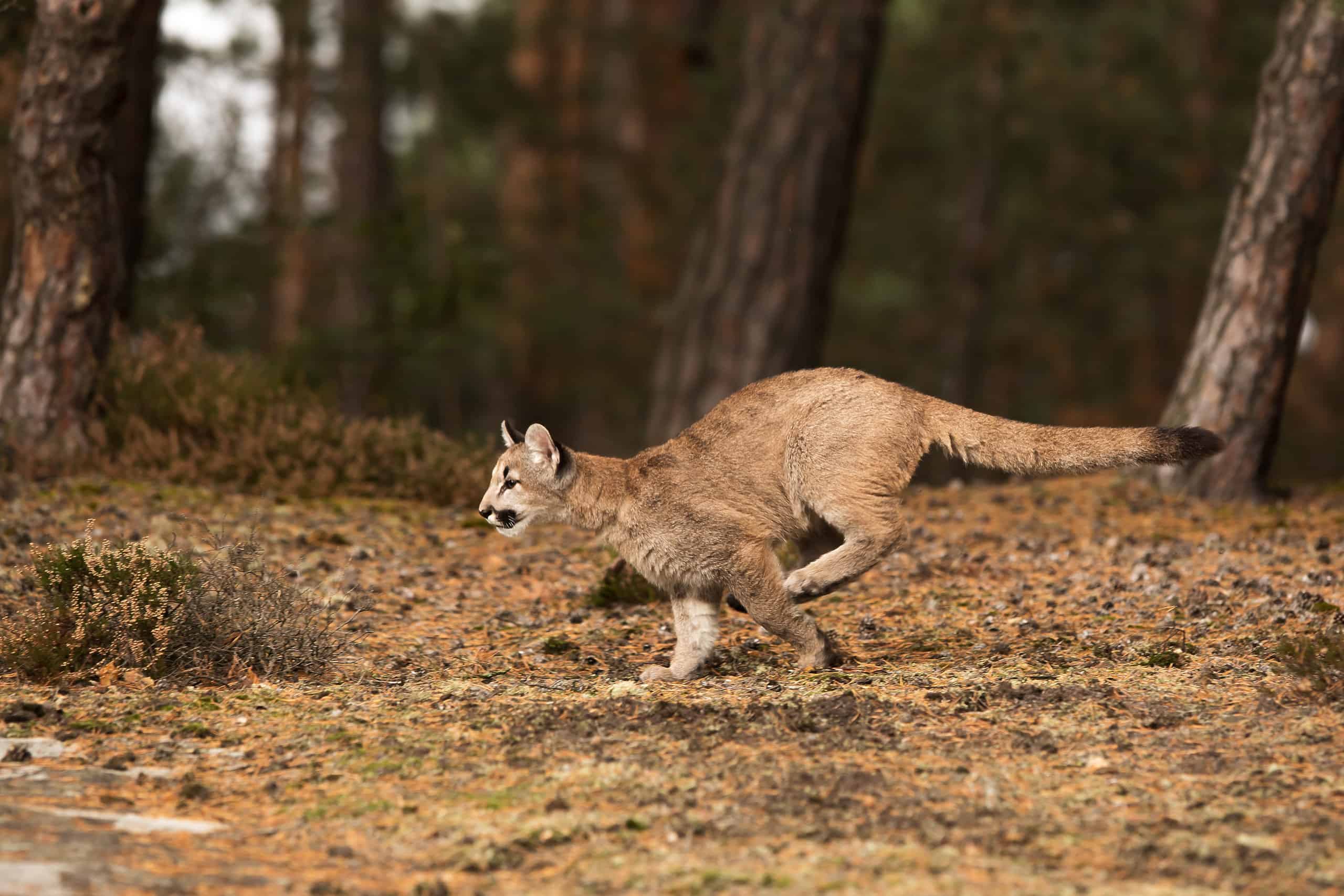
For centuries, the dense, emerald forests of Maine have been the subject of campfire tales and hushed whispers among hikers and hunters alike. The primary subject of these local legends is the elusive cougar—also known as the mountain lion, panther, or catamount. As visitors flock to the state’s rugged wilderness for an authentic encounter with nature, the question inevitably arises: are these magnificent predators truly prowling the backwoods of the Pine Tree State, or are they ghosts of a bygone era?
The Historical Presence of the Eastern Cougar
To understand the current status of cougars in the region, one must look at the biological history of the Northeast. Historically, the eastern cougar occupied a vast range extending from the Atlantic coast deep into the interior of the continent. These apex predators were once a vital component of the North American ecosystem, regulating deer populations and maintaining the health of the forest floor.

Colonial Expansion and Habitat Loss
During the 18th and 19th centuries, as European settlers expanded their footprint across New England, the cougar faced a two-front war. First, large-scale deforestation for agriculture drastically reduced the dense cover that these cats required for stalking prey. Second, the species was relentlessly hunted. Settlers viewed the cougar as a direct threat to their livestock and a competitor for game, leading to bounty programs that pushed the population to the brink of local extinction.
The Official Declaration of Extinction
For decades, the United States Fish and Wildlife Service maintained that the eastern cougar population had been decimated. In 2011, after an exhaustive review of existing data, the agency officially declared the eastern cougar extinct. While this remains the formal scientific stance, it has done little to quell the reports from those who spend their lives in the woods of Aroostook County or the White Mountains.
Unraveling the Mystery of Modern Sightings
Despite the official extinction status, the Maine Department of Inland Fisheries and Wildlife receives dozens of reports annually from people who claim to have seen a mountain lion. These accounts often come from seasoned woodsmen, hikers, and tourists visiting Acadia National Park or the remote regions surrounding Baxter State Park.
The Difficulty of Verification
The primary challenge in verifying these sightings lies in the biology of the animal itself. Cougars are incredibly shy, nocturnal, and highly mobile. A single individual can possess a home range covering hundreds of square miles. Furthermore, sightings often occur in twilight conditions, where the human eye can easily mistake a large bobcat—the only native wild cat currently confirmed to live in the state—for a mountain lion.

Potential Transients from the West
One prevailing theory among enthusiasts is that if cougars are indeed in Maine, they are likely not members of the extinct eastern subspecies, but rather “transients” or escaped captive animals. There have been documented cases of cougars from the western United States traveling thousands of miles in search of new territory. While such a journey to the Atlantic Ocean coast is statistically improbable, it is not biologically impossible. A mountain lion wandering from the Midwest could theoretically reach the northeastern forests, though it would find itself without a mate, ultimately preventing the establishment of a breeding population.
The Role of Tourism and Wilderness Exploration
The aura of mystery surrounding the potential existence of cougars serves as a compelling draw for those interested in the wilder side of Canada and the neighboring American states. Tourism in the northern woods is not just about the landscape; it is about the thrill of the unknown.
Responsible Wildlife Watching
For visitors hoping to spot rare wildlife, it is important to practice ethical and safe observation techniques. Whether you are trekking through the Appalachian Trail or exploring the coastal forests near Portland, the best approach to wildlife is a respectful distance. If you believe you have seen a cougar, experts recommend looking for physical evidence:
- Track Identification: Mountain lion tracks are large, circular, and typically do not show claw marks, distinguishing them from the prints of a domestic dog or coyote.
- Scat and Markings: Look for territorial scrapes on the ground or fur caught on nearby trees.
- Digital Proof: In the age of smartphones, high-quality photography or video remains the “gold standard” for confirmation, as blurry images of shadows are rarely sufficient for wildlife biologists.
The Legacy of the Catamount
Whether or not a breeding population exists in the hidden glens of Mount Katahdin, the legend of the cougar remains a permanent fixture of local culture. It serves as a reminder that even in the modern world, there are corners of the map that remain untamed. The hope of seeing such a powerful predator reflects our deep-seated human desire to coexist with the wild.
Conservation and the Future of Maine’s Ecosystem
The debate over the cougar is more than just a search for a phantom; it highlights broader issues regarding ecological health and conservation efforts in the Northeast. As the deer population continues to rise in parts of New England, some ecologists argue that the state could actually support a predator of the cougar’s size.
The Impact of Apex Predators
In states where large predators like wolves or mountain lions have been reintroduced or have naturally returned, there is often a “cascade effect” that benefits the health of the entire forest. They keep deer populations in check, which in turn prevents overgrazing and allows forest understories to regenerate. If a small, transient population of cougars were to inhabit the dense wilderness of Moosehead Lake, it could provide an unforeseen boost to the local biodiversity.
A Call for Continued Vigilance
Ultimately, the status of the cougar in Maine remains a classic case of scientific evidence lagging behind anecdotal experience. Whether these animals are truly walking the woods or existing only in our collective imagination, they remain an integral part of the regional identity. They remind us that the forests are not just scenery for our summer vacations, but a living, breathing, and occasionally mysterious environment.
For those traveling to the region, remember that the true joy of the outdoors is the possibility of the unexpected. While a verified cougar sighting may remain the “holy grail” of local wildlife tracking, the journey through the vast, quiet, and beautiful forests of this state is an adventure in itself. Keep your cameras ready, respect the habitat of the creatures we know are there—the moose, the black bear, and the bobcat—and keep your eyes peeled. In the deep woods of the northeast, the wilderness still holds its secrets close, and perhaps, one day, the truth about the mountain lion will finally be brought into the light.
LifeOutOfTheBox is a participant in the Amazon Services LLC Associates Program, an affiliate advertising program designed to provide a means for sites to earn advertising fees by advertising and linking to Amazon.com. Amazon, the Amazon logo, AmazonSupply, and the AmazonSupply logo are trademarks of Amazon.com, Inc. or its affiliates. As an Amazon Associate we earn affiliate commissions from qualifying purchases.