
When planning a trip to the picturesque shores of Maine, travelers often focus on the logistics of where to stay, which lighthouses to photograph, and where to find the freshest lobster rolls. However, understanding the financial landscape of your destination is a critical component of budget travel. One of the most common questions for visitors arriving in the Pine Tree State is whether they should expect to pay a sales tax on their purchases, and if so, how it will affect their vacation spending.
Understanding the Maine Sales Tax Structure
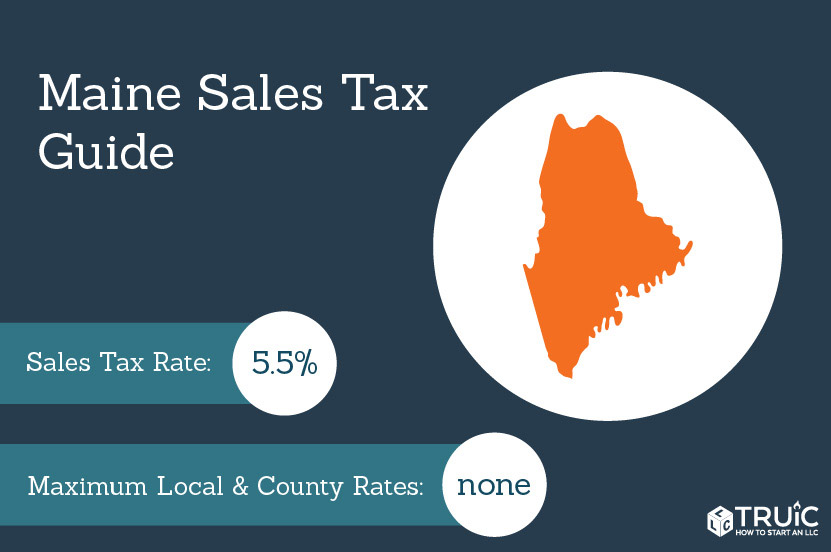
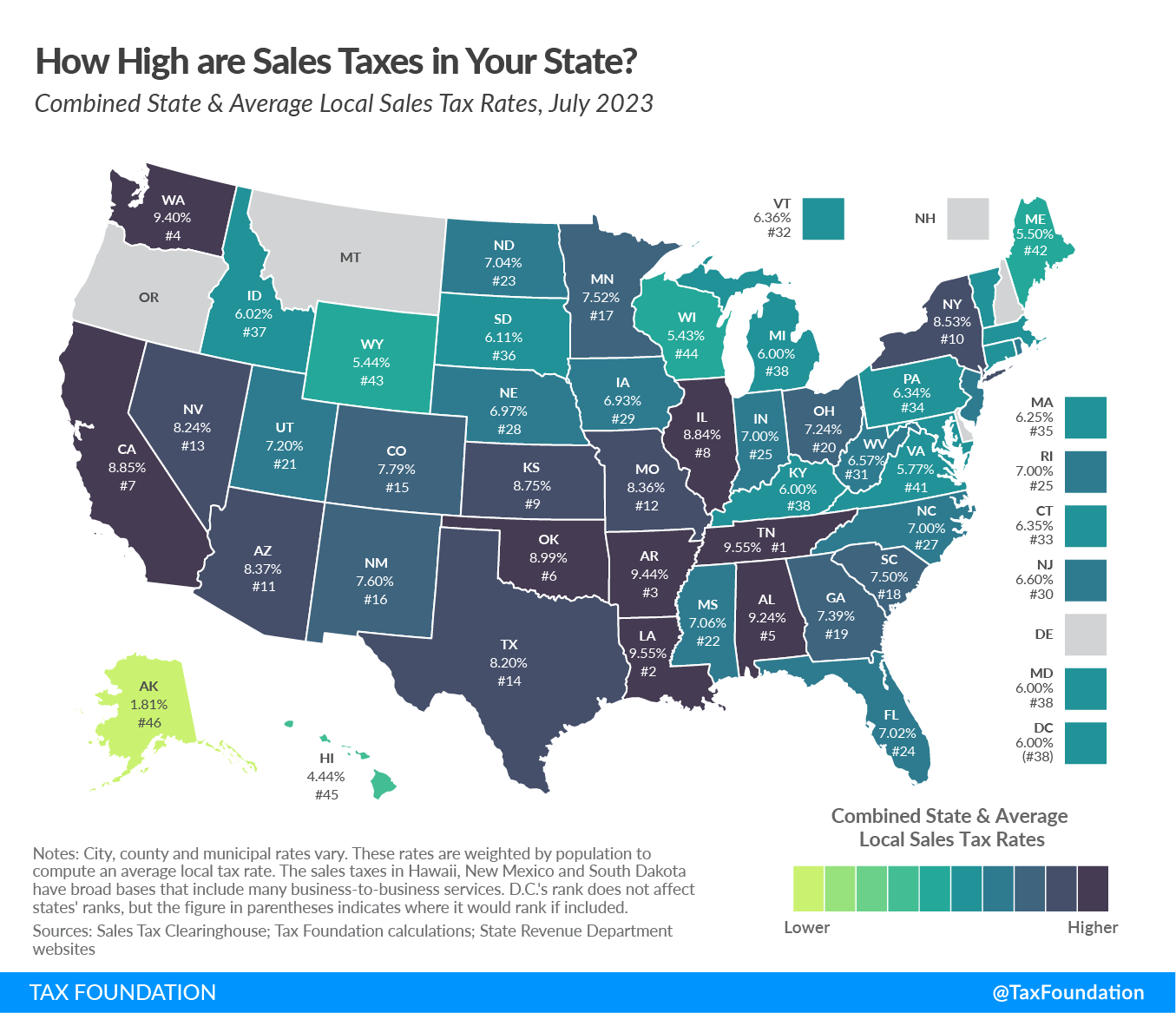
At its core, Maine does indeed impose a sales tax. It is important for any visitor, whether they are road-tripping through the Acadia National Park or exploring the historic streets of Portland, to understand that this tax is applied at the state level. Unlike some other regions in the United States that allow local municipalities to layer additional sales taxes on top of state levies, the tax rate in this state is generally uniform.
The Standard Rate
The general sales tax rate in Maine is 5.5%. This percentage is applied to most tangible personal property and certain services. When you head into a shop in Bar Harbor to pick up souvenirs or buy gear for a hike in the White Mountains, you will see this 5.5% added to your subtotal at the register. Because it is a flat state-wide rate, travelers do not need to worry about significant fluctuations in tax rates when crossing county lines or moving from one town to the next.
Goods Exempt from Taxation
Not every item you purchase during your visit will be subject to this 5.5% tax. The state maintains specific exemptions designed to benefit both residents and the tourism industry. For instance, most unprepared food items—groceries—are exempt from sales tax. This is a significant advantage for those staying in vacation rentals in Kennebunkport who plan to stock their kitchens with local produce and ingredients. However, be aware that prepared foods, such as meals at a restaurant, do fall under a different tax category.
Taxes on Tourism and Hospitality Services
While general retail items carry the 5.5% rate, the tourism sector in Maine is subject to a different set of tax rules. This is particularly relevant for those booking accommodations or dining out throughout their stay.
Lodging and Accommodations
If you are planning a luxury getaway at a resort or a weekend stay in a cozy inn, you will encounter the state’s tax on lodging. The tax rate for transient rentals, including hotels, motels, and bed-and-breakfast establishments, is actually higher than the general sales tax. This rate is currently set at 9%. This applies to almost all short-term rental arrangements. Whether you are checking into the Cliff House Maine or staying in a smaller boutique guesthouse, you should factor this 9% into your lodging budget to avoid surprises upon checkout.
Prepared Meals and Drinks
Dining out is one of the great pleasures of visiting the New England region. From waterfront cafes in Boothbay Harbor to upscale dining in Augusta, travelers should be prepared for an 8% tax rate on prepared meals and alcoholic beverages. This rate is specifically designated for the hospitality industry and is distinct from the 5.5% retail sales tax. When you receive your bill at a restaurant, you will see this 8% applied to the cost of your food and drinks. It is an essential tip for those managing a travel budget to calculate this percentage when estimating the total cost of dining out during their trip.
Budgeting Tips for Your Vacation
Understanding the tax landscape is only the first step in effective trip planning. Because taxes on lodging and dining are slightly higher than general goods, proactive budgeting can help ensure your funds go further, allowing you to enjoy more of the attractions and experiences Maine has to offer.
Distinguishing Between Retail and Services
To keep your finances organized, categorize your expected spending into these three buckets:
- General Retail (5.5%): This includes clothing, books, art, and souvenirs purchased in places like Camden or Ogunquit.
- Prepared Meals (8%): This covers all food and beverages served at restaurants, cafes, and bars.
- Lodging (9%): This applies to your nightly room rates, including any service fees that might be considered part of the rental agreement.
How to Save on Taxes
While you cannot avoid state-mandated taxes, there are ways to optimize your spending. For example, if you are planning an extended trip to the Atlantic Coast, purchasing groceries for breakfast and lunch can significantly reduce the amount spent on the 8% prepared meal tax. By preparing your own meals for two out of three daily meals, you effectively lower the total tax burden on your food consumption. Additionally, some travelers choose to travel during the shoulder season, when many properties offer reduced rates. Even if the tax percentage remains the same, a lower base price results in a lower total tax amount, making your vacation more affordable.
The Benefit of No Local Option Taxes
One of the best-kept secrets for travelers to Maine is the simplicity of its tax structure. In many other major tourist destinations, travelers are often hit with a “hidden” layer of city, municipal, or tourist district taxes that can tack on an extra 3% to 5% to their bill. Because Maine keeps its tax authority primarily at the state level, you will not encounter these unexpected municipal surcharges. The rate you see is the rate you pay, whether you are in the heart of Bangor or a remote coastal village. This consistency allows for much more accurate financial planning and prevents the frustration of fluctuating prices between different towns in the region.
Final Considerations for Travelers
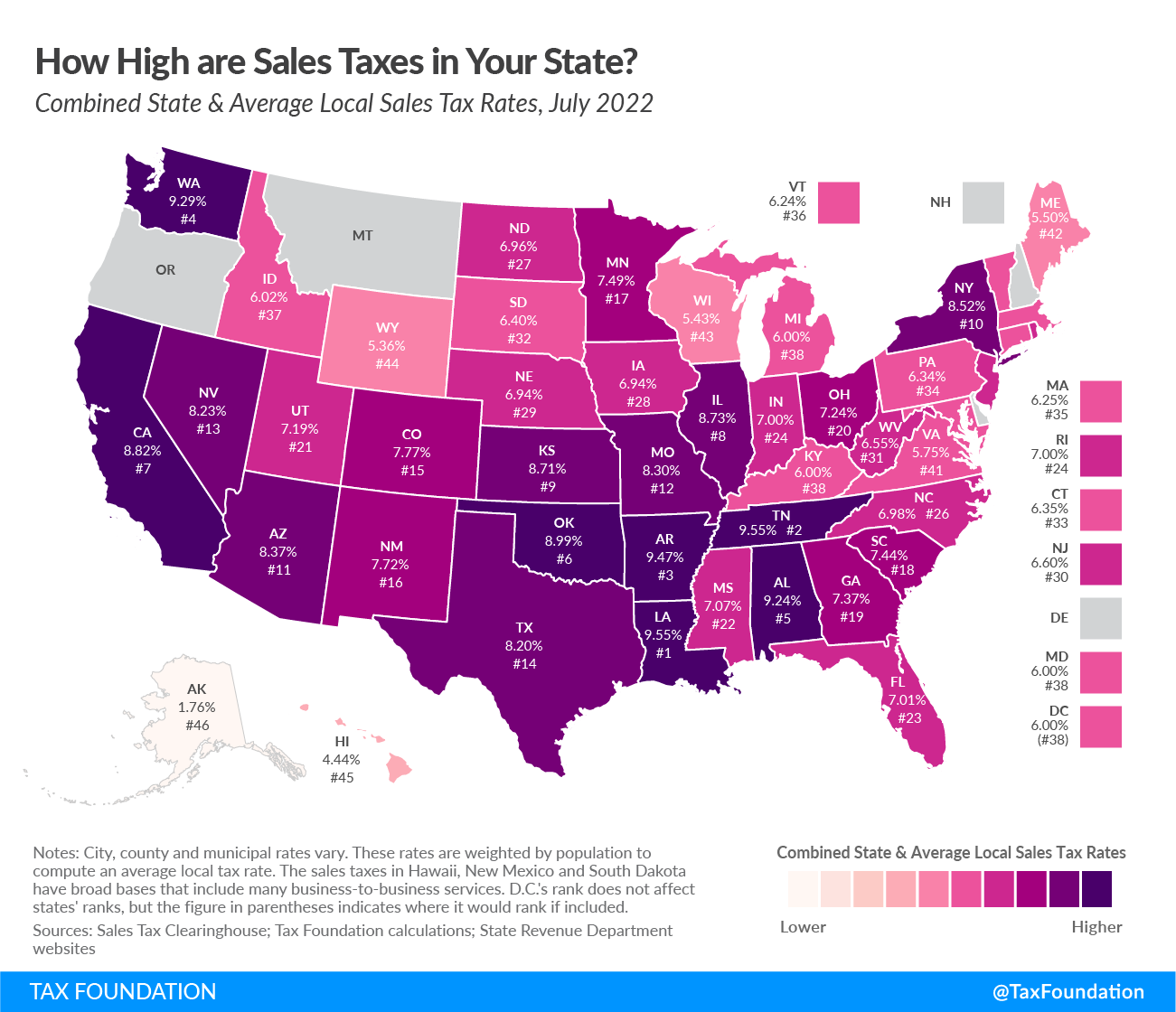
As you wrap up your travel planning, keep in mind that tax laws are subject to legislative changes. While the rates mentioned—5.5% for general goods, 8% for meals, and 9% for lodging—are current, it is always a good practice to check official resources or consult with your hotel before you travel.
Traveling through the United States offers many different tax experiences, but the transparent approach taken by Maine is generally traveler-friendly. By understanding how these taxes are applied to your dining, shopping, and resting, you can focus on what truly matters: enjoying the stunning rocky coastlines, the vibrant autumn leaves, and the unique cultural heritage of this beautiful destination. Whether you are here for a quick weekend retreat or a long summer holiday, being informed about the local tax structure allows you to spend your vacation time creating memories rather than worrying about the fine print on your receipts. Enjoy your journey, pack your camera, and make the most of every dollar during your time in this iconic corner of the country.
LifeOutOfTheBox is a participant in the Amazon Services LLC Associates Program, an affiliate advertising program designed to provide a means for sites to earn advertising fees by advertising and linking to Amazon.com. Amazon, the Amazon logo, AmazonSupply, and the AmazonSupply logo are trademarks of Amazon.com, Inc. or its affiliates. As an Amazon Associate we earn affiliate commissions from qualifying purchases.