
For many travelers and digital nomads considering a long-term relocation or a seasonal retreat to the Pine Tree State, understanding the financial landscape is as critical as mapping out the best hiking trails. While the allure of Maine lies in its rugged coastline, fresh seafood, and tranquil forests, the state’s fiscal policy is a primary consideration for those weighing the pros and cons of setting up residency. If you are planning an extended stay or looking to pivot your lifestyle toward a more serene environment, navigating the complexities of state-level taxation is a necessary step in your journey.
The Fiscal Landscape of the Pine Tree State
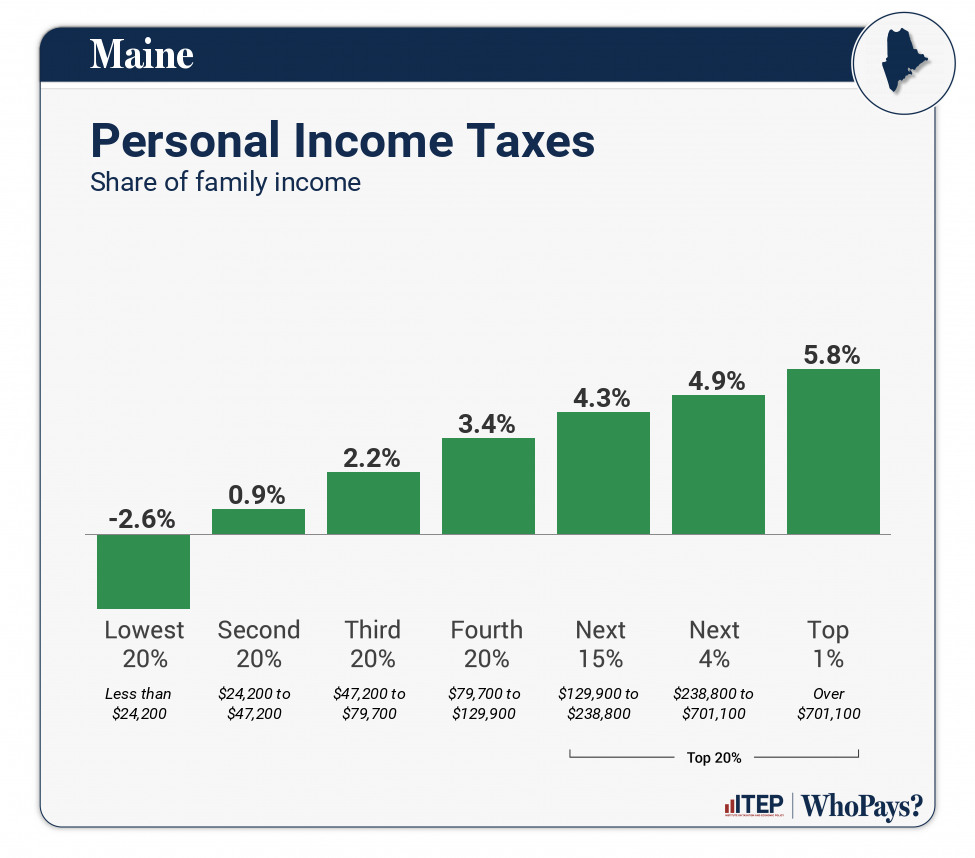
When evaluating whether Maine is the right fit for a lifestyle change, the question of income tax often sits at the forefront. Unlike some states that pride themselves on a zero-income-tax policy, Maine does, in fact, impose a personal income tax on its residents. For individuals who have spent time visiting charming coastal towns like Bar Harbor or exploring the vibrant streets of Portland, the transition from a transient visitor to a tax-paying resident involves understanding these specific state mandates.
Understanding Tax Brackets and Rates
Maine utilizes a graduated income tax system. This means that your tax rate is not a flat percentage across the board; rather, it increases as your taxable income moves into higher brackets. The state adjusts these brackets annually based on cost-of-living indices, which is a common practice for states aiming to keep pace with economic fluctuations. For professionals moving from states with higher costs, the tax burden may feel familiar, while those coming from tax-free states might require significant financial planning to adjust their budgets accordingly.
Residency Requirements and Taxation
The definition of a “resident” is where many travelers often find themselves needing clarity. In Maine, residency is generally determined by the “statutory resident” rule. If you spend more than 183 days—or roughly six months—within the state and maintain a permanent place of abode, you are typically considered a resident for tax purposes. For digital nomads who utilize luxury rentals in Kennebunkport or long-term apartments in Bangor as their base of operations, keeping a precise count of days spent within the state borders is essential to avoid unexpected tax liabilities.
Financial Planning for the Lifestyle Expatriate
Choosing to reside in Maine is often a choice made for quality of life rather than tax optimization. The state offers an unparalleled connection to nature, from the granite cliffs of Acadia National Park to the pristine waters of Moosehead Lake. However, balancing the “Maine lifestyle” with financial health requires a holistic approach to your personal balance sheet.
Beyond Income Tax: The Cost of Living
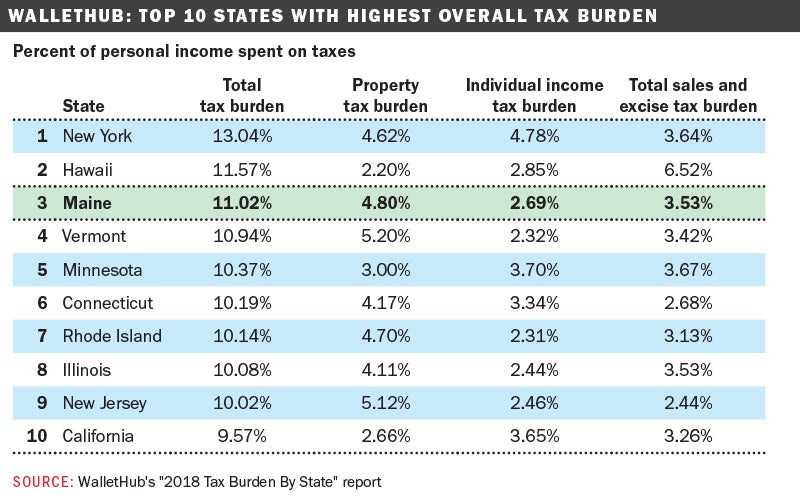
While income tax is a significant factor, it is only one component of your overall financial obligations in Maine. Property taxes in the state are historically higher than the national average, which is something to consider if you are looking to purchase property in historic coastal hubs like Camden or Rockland. When calculating your net income, it is prudent to factor in the combination of state income tax, local property taxes, and sales tax.
Budgeting for a High-Quality Lifestyle
The cost of living in popular tourist destinations within Maine can be seasonal. During the peak summer months, prices for accommodation and dining in areas like Ogunquit surge. For those planning a year-round stay, creating a budget that accounts for both the “high season” premium and the quieter, more affordable winter months is a smart strategy. Many successful expatriates in the region utilize a “geographic arbitrage” approach, keeping their primary income streams diversified while enjoying the relatively stable cost of everyday goods in the inland communities.
Strategic Considerations for New Residents
If you have decided that the beauty of Maine outweighs the existence of an income tax, the next step is ensuring you are compliant and efficient with your filing. Being a new resident in states like Maine comes with specific logistical requirements that extend beyond just paying taxes.
Maintaining Proper Documentation
For those moving their primary residence to Maine, documentation is key. This includes updating your driver’s license, registering your vehicle, and establishing a local banking presence. These steps not only cement your status as a resident but also simplify the process of filing state taxes. If you are relocating from a state with drastically different tax laws, consulting with a tax professional who understands the nuances of the Northeast United States is highly recommended.
Utilizing Available Deductions and Credits
Maine offers various credits and deductions that can help mitigate the total tax burden for residents. These may include property tax fairness credits, educational credits, and specific incentives for retirees or small business owners. Staying updated on these legislative offerings is one of the best ways to ensure that your financial contribution to the state is fair and optimized. Whether you are living in a rustic cabin near Baxter State Park or a modern condo in Portland, understanding the state’s tax codes is a part of being an informed member of the community.

Conclusion: Weighing the Trade-offs
The state of Maine does have an income tax, and for many, it is simply a cost of admission to one of the most beautiful and culturally rich regions in the country. The decision to move here is rarely purely financial; it is a lifestyle choice centered on the peace of the Atlantic coast, the vibrancy of local communities, and the outdoor majesty of the northern forests.
By proactively managing your residency status, understanding the graduated tax brackets, and preparing for the regional cost of living, you can ensure that your transition to the Maine lifestyle is as seamless as the tides. Whether you are seeking a temporary escape or a permanent shift to a slower pace of life, Maine remains a premier destination for those who value experiences over pure tax-efficiency. Being prepared for the financial realities allows you to focus on what truly matters: waking up to the salt air, exploring the rugged landscapes of New England, and becoming part of the unique fabric of life in the Pine Tree State.
LifeOutOfTheBox is a participant in the Amazon Services LLC Associates Program, an affiliate advertising program designed to provide a means for sites to earn advertising fees by advertising and linking to Amazon.com. Amazon, the Amazon logo, AmazonSupply, and the AmazonSupply logo are trademarks of Amazon.com, Inc. or its affiliates. As an Amazon Associate we earn affiliate commissions from qualifying purchases.