
When travelers begin planning a winter excursion to the northeastern corner of the United States, the primary question often concerns the intensity of the climate. Maine is defined by its rugged coastline, vast forests, and a distinct seasonal transition that shifts from vibrant autumnal foliage to a stark, snow-blanketed landscape. Understanding just how cold it gets is essential for anyone looking to navigate the Pine Tree State during its most atmospheric and challenging months.
The Seasonal Climate Gradient: Coast vs. Interior
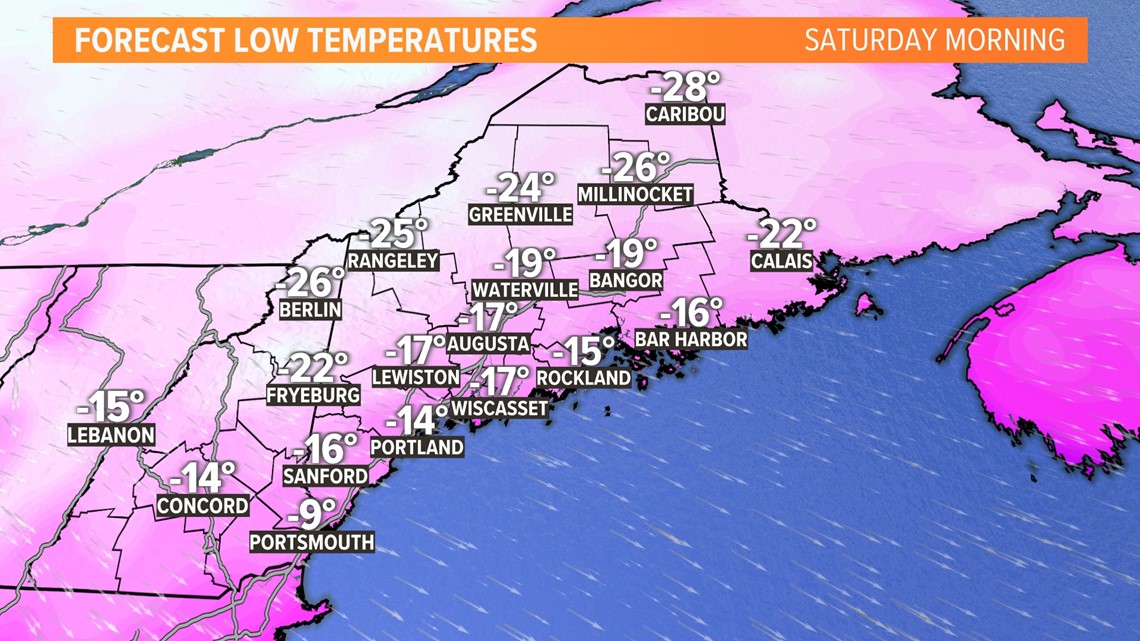
The temperature variance across the state is significant, largely dictated by geography. Maine is geographically expansive, and what one experiences in Portland often differs drastically from the conditions found in the northern reaches near Baxter State Park.
The Moderating Effect of the Atlantic
Along the Atlantic seaboard, the ocean acts as a thermal buffer. Coastal communities, including Kennebunkport and Bar Harbor, experience temperatures that are generally milder than the interior. While winter lows frequently dip into the teens or single digits (Fahrenheit), the proximity to the ocean prevents the most extreme plunges seen further inland. However, what the coast lacks in raw, sustained cold, it makes up for with high winds and nor’easters, which can drive wind chill factors well below zero.
The Sub-Arctic Interior
As you move inland toward the White Mountains or north toward the Aroostook County region, the moderating influence of the ocean vanishes. Here, the landscape becomes a true winter wilderness. It is common for towns nestled in the valleys or high-elevation areas to see temperatures drop to -20°F or lower during deep-winter cold snaps. The air is drier here, which can make the cold feel less “biting” than the damp chill of the coast, but the duration of the sub-zero temperatures is significantly longer.
January and February: The Peak of Winter
For those visiting for winter recreation, January and February represent the height of the cold. This is the period when the lakes freeze solid and the snowpack in Acadia National Park becomes deep and persistent.
Understanding Average Extremes
In northern Maine, average high temperatures during the day in January often struggle to reach the freezing point, hovering around 20°F. Nights are predictably bitter, with averages frequently falling between -5°F and 5°F. On the coast, daylight highs are closer to 30°F, but the overnight lows remain consistently in the low teens.
The Phenomenon of the “Cold Snap”
Meteorologically, Maine is prone to polar vortex intrusions that can bring arctic air down from Canada. During these events, thermometers across the entire state can plummet. It is not unheard of for parts of the northern wilderness to record temperatures of -30°F. Travelers visiting during these weeks should prioritize high-quality thermal gear and ensure their vehicles are equipped for extreme cold, including engine block heaters in the northernmost regions.

Managing the Elements: Tips for Winter Travel
Despite the biting cold, Maine is a premier destination for winter enthusiasts. The key to enjoying the landscape is preparation, which allows visitors to focus on the beauty of the frozen coastline rather than the discomfort of the temperature.
Layering and Equipment
The “Maine Method” of staying warm is centered on moisture management.
- Base Layers: Utilize merino wool or synthetic materials that wick sweat away from the skin.
- Insulation: A heavy down or synthetic puffer jacket is necessary for stationary activities, such as viewing the winter lighthouse displays at Portland Head Light.
- Shells: Always carry a windproof and waterproof outer layer. The wind along the coast, especially near Pemaquid Point, can penetrate standard wool coats instantly.
Activities that Embrace the Cold
Rather than fighting the weather, many visitors plan their itineraries around the cold. The frozen waterfalls in Rockland become spectacular ice-climbing destinations. Snowmobiling remains one of the most popular ways to traverse the state’s massive trail network, which stretches from the southern border all the way up to Fort Kent. Cross-country skiing and snowshoeing are also deeply ingrained in the local culture, with trails maintained in most state parks, providing a way to stay active and warm even when the mercury sits at 10°F.
Where to Stay During the Deep Freeze
Selecting the right accommodation can make a substantial difference in your comfort level. Whether you are staying in a historic city or a remote lodge, the choice of lodging impacts how you experience the Maine winter.
Luxury and Comfort
If your goal is to experience the cold from a position of warmth, look for upscale properties that feature wood-burning fireplaces and saunas. Resorts in Bethel or Camden are well-versed in catering to guests who want to enjoy a day of skiing or winter hiking before retreating to a high-end, climate-controlled suite. These properties often provide amenities like hot tubs, which are particularly invigorating during a snowy evening.
The Rustic Experience
For the adventurous, staying in a remote cabin near Moosehead Lake offers an authentic look at the Maine winter. These experiences are best for those comfortable with managing a wood stove or pellet heater. The silence of the Maine woods in mid-January, combined with the extreme clarity of the night sky—often vibrant with stars due to the lack of light pollution—makes the struggle against the cold worthwhile.

Essential Travel Considerations
When traveling in winter, keep in mind that short daylight hours are a significant factor. By mid-winter, the sun sets shortly after 4:00 PM. This means that if you are exploring the trails near Sugarloaf Mountain, you must plan your return well before dusk to avoid navigating in pitch-black, sub-zero conditions. Additionally, always keep a “winter kit” in your car, including extra blankets, high-calorie snacks, and a portable charging bank for your phone, as battery life drains significantly faster in the Maine cold.
Maine in the winter is not merely a destination; it is an environment that commands respect. Whether you are chasing the northern lights in Caribou or enjoying the quieter, frost-covered streets of Brunswick, the cold is a constant companion. By understanding the meteorological realities and preparing accordingly, travelers can unlock the serene, stark, and undeniably beautiful potential of a Maine winter.
LifeOutOfTheBox is a participant in the Amazon Services LLC Associates Program, an affiliate advertising program designed to provide a means for sites to earn advertising fees by advertising and linking to Amazon.com. Amazon, the Amazon logo, AmazonSupply, and the AmazonSupply logo are trademarks of Amazon.com, Inc. or its affiliates. As an Amazon Associate we earn affiliate commissions from qualifying purchases.