
Planning a trip to the rugged coastlines of Maine requires more than just a map and a sense of adventure. For those considering an extended stay, a seasonal relocation, or even a permanent move to the “Pine Tree State,” understanding the logistics of vehicle ownership is essential. If you are preparing for a long-term residency or a digital nomad stint that requires a local vehicle, navigating the Department of the Secretary of State’s requirements is the first step toward exploring the beauty of Acadia National Park or the historic streets of Portland.

Understanding the Registration Process and Costs
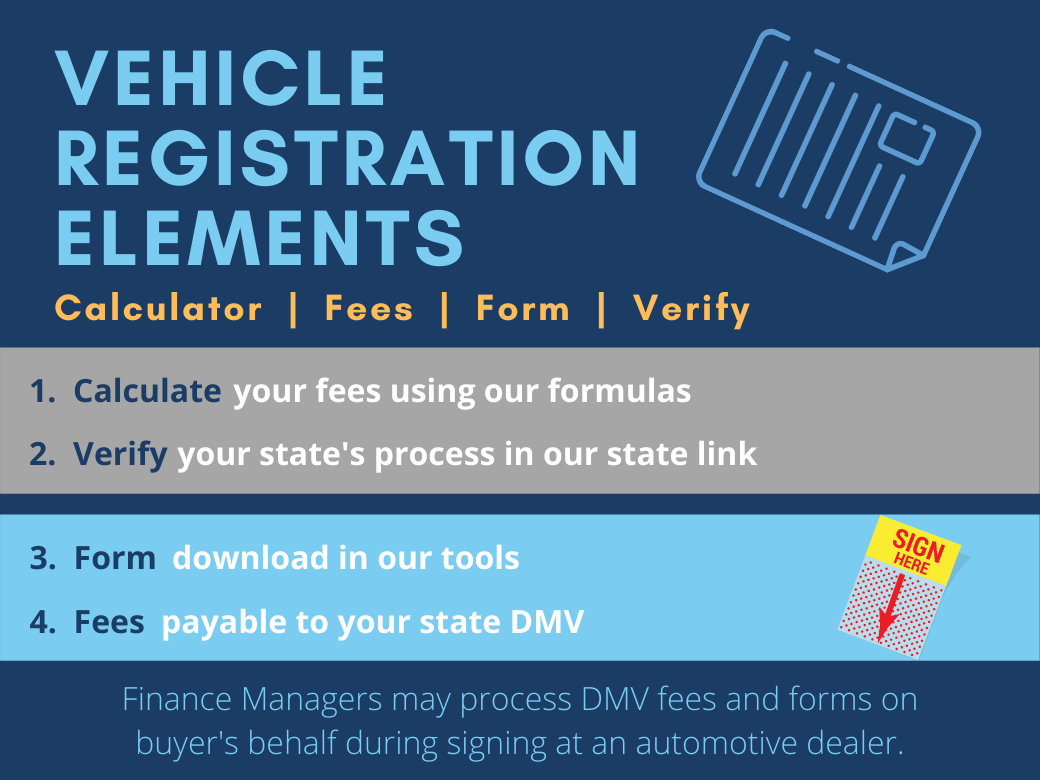
In Maine, vehicle registration is a two-part process that often confuses newcomers. Unlike many other states, you do not pay a single flat fee at the Bureau of Motor Vehicles. Instead, you are responsible for an excise tax, which is paid to your municipality of residence, and a registration fee, which is paid to the state.
The Excise Tax Breakdown
The excise tax is the most significant portion of your annual expense. This is a tax on the privilege of operating a motor vehicle on public ways and is calculated based on the manufacturer’s suggested retail price (MSRP) of the vehicle when it was first sold new. The rate is set at 24 mills per dollar of the maker’s list price.
The tax decreases as the vehicle ages:
- Year 1: 0.0240
- Year 2: 0.0175
- Year 3: 0.0135
- Year 4: 0.0100
- Year 5: 0.0065
- Year 6 and beyond: 0.0040
This means that while a brand-new luxury SUV may carry a significant excise tax, an older vehicle used for scenic drives through Bar Harbor will cost significantly less to keep on the road.
State Registration Fees
Once the excise tax is paid at your local town office, you will pay the state registration fee. For a standard passenger vehicle, the annual registration fee is generally $35. However, this can vary if you opt for specialized vanity plates or if you are registering a commercial vehicle or a trailer for your camping adventures near Baxter State Park. Always ensure you have your proof of insurance and a bill of sale or title ready, as the Maine clerks require these documents to finalize the transaction.
The Role of Residency and Seasonal Stays
For travelers who enjoy long-term stays in places like Kennebunkport, the line between a tourist and a resident can sometimes blur. It is important to understand the legal thresholds for vehicle registration if you find yourself spending significant time in the state.
Residency Requirements
If you become a resident of Maine, you are generally required to register your vehicle within 30 days of establishing residency. Indicators of residency include obtaining a driver’s license, enrolling children in local schools, or claiming a homestead exemption. If you are merely visiting for a season, your out-of-state registration remains valid for the duration of your stay, provided your home state’s laws permit it.
The Benefit of Local Registration
Registering your vehicle locally offers more than just legal compliance; it grants you a sense of belonging in the community. Whether you are living in Augusta or frequenting the shores of Ogunquit, having local plates allows you to navigate the small-town tax processes that fund local roads and infrastructure. This is particularly relevant for those planning to travel frequently to remote areas like the Allagash Wilderness Waterway, where well-maintained roads are vital for tourism and local accessibility.

Necessary Documentation and Inspection Standards
Before you head to the town office, preparation is key. Maine maintains strict standards for vehicle safety to ensure that the harsh winters and winding coastal roads do not become a liability for residents and visitors alike.
The Inspection Requirement
Every vehicle registered in Maine must undergo an annual safety inspection. This is a separate process from your registration. You must take your vehicle to a licensed inspection station—which can be found in almost every major hub like Bangor or Brunswick—to ensure your brakes, lights, tires, and steering meet state criteria.
The cost for the inspection is typically nominal, but it is a vital step. If you are moving to the state, ensure your vehicle is in good working order before your arrival, as a failed inspection will prevent you from operating the vehicle legally on state roads.
Documents You Must Carry
When you visit the town office, ensure you bring the following:
- Current Title: If your vehicle is financed, you will need the name and address of the lienholder.
- Proof of Insurance: Maine law requires minimum liability coverage.
- Bill of Sale: This confirms the purchase price and confirms that all sales tax has been settled.
- Prior Registration: If you are transferring from another state, your previous registration document is necessary.
By having these documents organized, your trip to the municipal office will be swift, allowing you more time to enjoy the quintessential New England lifestyle.
Planning for Long-Term Travel and Maintenance
If your goal is to spend a year or more traveling through the majestic landscapes of New England, budgeting for these administrative costs is essential for your financial planning.
Managing Seasonal Costs
If you are planning to spend your summer months near Boothbay Harbor and your winters elsewhere, consider the timing of your registration. Since Maine registrations are generally valid for one year from the date of issuance, plan your arrival to coincide with a time when you have the administrative bandwidth to handle the paperwork.
Why It Matters for Your Trip
Travel is about freedom, but that freedom is best enjoyed when your vehicle is compliant and your expenses are accounted for. When you register your car in the United States, specifically in a beautiful state like Maine, you are investing in the infrastructure that keeps the scenic byways and hidden gems accessible.
Whether you are driving a vintage camper through Camden or a modern commuter vehicle into Lewiston, the registration process is a small price to pay for the ability to explore one of the most picturesque regions in the country. By understanding the excise tax, the state fees, and the mandatory inspection process, you can transition smoothly from a visitor to a temporary resident, focusing your energy on the next horizon rather than the fine print.
Keep your documents in a dedicated travel folder, keep your insurance card current, and always remember to check your registration stickers before venturing out to the Atlantic Ocean coastline. With your vehicle squared away, the vast, scenic trails and the charming towns of this Northeastern paradise await your discovery. Proper planning ensures that your only concern is which lighthouse to visit next, rather than worrying about the validity of your plates or the state of your inspection.
LifeOutOfTheBox is a participant in the Amazon Services LLC Associates Program, an affiliate advertising program designed to provide a means for sites to earn advertising fees by advertising and linking to Amazon.com. Amazon, the Amazon logo, AmazonSupply, and the AmazonSupply logo are trademarks of Amazon.com, Inc. or its affiliates. As an Amazon Associate we earn affiliate commissions from qualifying purchases.