
The Maine Coon is often referred to as the “gentle giant” of the feline world. Hailing from the rugged landscapes of Maine in the United States, these cats have captured the hearts of pet owners worldwide with their massive stature, dog-like personalities, and luxurious coats. However, due to their popularity, many domestic long-haired cats are frequently mistaken for this breed. If you have ever wondered whether your feline companion carries the lineage of this majestic North American cat, there are several distinct physical and behavioral markers to investigate.
Understanding the Physical Hallmarks of the Breed
To determine if your cat has Maine Coon heritage, you must first look at their physical architecture. These cats were bred by nature to survive harsh, snowy winters, and their bodies reflect a design optimized for the climate of New England.
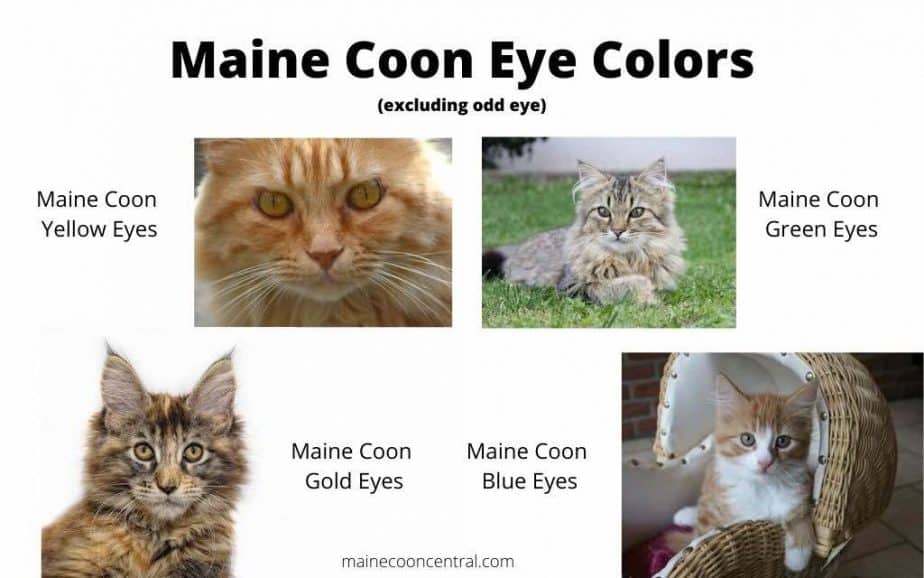
Skeletal Structure and Weight
Maine Coons are famously large. While a standard domestic cat might weigh between eight and ten pounds, a purebred or high-percentage Maine Coon often weighs significantly more. Males can reach upwards of 18 to 22 pounds, while females typically range between 12 and 15 pounds. However, weight alone is not a sufficient indicator, as many domestic cats struggle with obesity. Look instead at the frame: Maine Coons have long, rectangular bodies, broad chests, and sturdy, muscular legs that give them a powerful, athletic appearance rather than a round or delicate one.
The Distinctive Face and Muzzle
The most iconic feature of the Maine Coon is its head shape. Unlike the round face of a Persian or the wedge-shaped head of a Siamese, the Maine Coon possesses a square, boxy muzzle. When you look at your cat from the side, the profile should show a slight concave curve at the bridge of the nose, leading into a strong, prominent chin. If your cat has a very short, flat nose, it is unlikely to have Maine Coon ancestry.
Ear Tufts and Tail Length
The ears of a Maine Coon are tall, set high on the head, and often feature “lynx tips”—tufts of fur extending from the very top of the ear. Furthermore, the base of the ear is wide, and the inner ear is usually heavily furred to provide protection against the cold. The tail is equally telling; it should be at least as long as the cat’s torso. When a Maine Coon is standing, its tail should reach its shoulder blades, and it is usually thick, plumed, and incredibly bushy, resembling a raccoon’s tail.
Coat Texture and Winter Adaptation
The breed is famous for its “shag” coat, which is designed to be water-resistant and insulating. While many domestic long-haired cats have a single layer of fur, Maine Coons possess a multi-layered coat.
Multi-Layered Fur
Run your hands through your cat’s fur. Do you feel a soft, dense undercoat beneath a longer, slightly oily topcoat? The Maine Coon’s fur is semi-long, but it varies in length across the body. It is typically shorter on the shoulders and longer on the stomach and “britches” (the fur on the back of the hind legs). This distribution helps them navigate through deep snow without getting weighed down by ice or moisture.

The Ruff and Toe Tufts
A telltale sign of the breed is the “ruff”—a mane of longer, thicker fur around the neck and chest, giving them the appearance of a miniature lion. Additionally, check the underside of your cat’s paws. Maine Coons are essentially the snowshoe hares of the cat world; they have large, round, tufted paws with extra fur between the toes. This acts as natural insulation and provides a “snowshoe” effect that allows them to walk across snow without sinking.
Behavioral Traits and Personality
If physical appearance provides a clue, personality often confirms it. Maine Coons are renowned for being “dog-like” in their social interactions. If your cat exhibits these specific behaviors, the likelihood of them having Maine Coon lineage increases significantly.
Vocalization Patterns
Maine Coons rarely meow like a traditional cat. Instead, they produce a unique set of chirps, trills, and soft chirrups. They use these sounds to communicate with their owners, often appearing to hold full conversations. If your cat makes a bird-like trilling sound when they enter a room or when they are excited about a toy, this is a very strong breed-specific indicator.
Affinity for Water
While most cats avoid water at all costs, the Maine Coon is famously fond of it. Many owners report that their cats enjoy playing with water from a dripping faucet, dipping their paws into water bowls, or even joining their owners in the shower. This curiosity about water is a vestigial trait from their ancestors, who were often kept as mousers on merchant ships traveling across the Atlantic Ocean.
Intelligence and Playfulness
These cats are highly intelligent and retain their “kitten-like” playfulness well into their senior years. They are often known to play fetch, learn to open doors, or carry toys in their mouths. Unlike more aloof breeds, Maine Coons prefer to be in the same room as their owners. They are not necessarily “lap cats” in the traditional sense, but they are “room cats”—they want to be wherever you are, supervising your daily activities.
Scientific Verification and Reality Checks
It is important to manage expectations when identifying a breed without papers. Because the Maine Coon has been an established natural breed in the North America region for centuries, the genetics of the “domestic long-hair” population often overlap with the breed standard.
The Role of Genetics
If you are genuinely curious about your cat’s heritage, the only way to get a definitive answer is through a DNA test. Several reputable laboratories offer cat breed identification kits that analyze saliva samples. These tests compare your cat’s genetic markers against a database of known purebred profiles. However, be aware that many shelter cats with “Maine Coon-like” features are actually just mixed-breed cats who happen to share a few dominant physical traits.

The “Maine Coon Mix” Reality
In the rescue and shelter community, any large, fluffy cat is often labeled as a “Maine Coon mix” to help increase their chances of adoption. While your cat may indeed have some percentage of the breed in their lineage, it is important to remember that the specific, idealized look of a show-quality Maine Coon is the result of decades of careful breeding. A cat that lacks one or two of these specific traits—such as the lynx tips or the square muzzle—is likely a beautiful, unique individual that simply carries a few genes from a diverse feline ancestry.
Whether your feline companion is a pedigree Maine Coon or a wonderful “moggy” (a mixed-breed cat), the defining characteristics of this breed—intelligence, loyalty, and a larger-than-life personality—are what truly make them special. Appreciating your cat for their specific personality and unique physical quirks is the hallmark of a responsible and loving pet owner, regardless of what the breed standards might suggest. If you find yourself living with a trilling, water-loving, fluffy giant, you certainly have a companion who embodies the spirit of the Maine wilderness, whether or not it is official on paper.
LifeOutOfTheBox is a participant in the Amazon Services LLC Associates Program, an affiliate advertising program designed to provide a means for sites to earn advertising fees by advertising and linking to Amazon.com. Amazon, the Amazon logo, AmazonSupply, and the AmazonSupply logo are trademarks of Amazon.com, Inc. or its affiliates. As an Amazon Associate we earn affiliate commissions from qualifying purchases.