
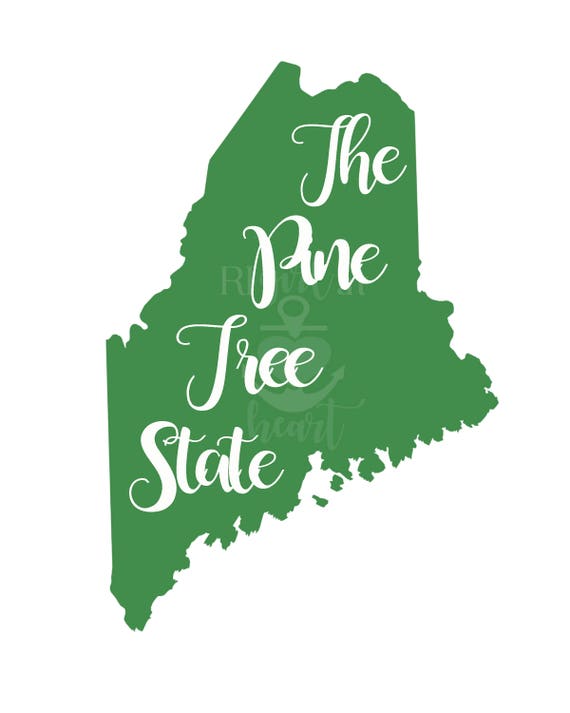
When travelers and history enthusiasts begin exploring the northeastern reaches of the United States, they inevitably encounter the moniker “The Pine Tree State.” As the official nickname for Maine, this title serves as a perfect encapsulation of the region’s vast, verdant landscapes, rugged geography, and deep-rooted cultural identity. While other states are often known for their industrial prowess or political significance, this corner of New England finds its pride in the enduring resilience of the white pine, a tree that has defined the aesthetic and economic history of the region for centuries.
The Significance of the White Pine
The name “The Pine Tree State” is far from a mere decorative title; it is a nod to the botanical dominance of the eastern white pine, which blankets millions of acres across the territory. This majestic species, known scientifically as Pinus strobus, has played a pivotal role in shaping both the physical environment and the historical narrative of the state.

A Symbol of Strength and Prosperity
Historically, the tall, straight trunks of the white pine were highly prized for shipbuilding during the colonial era. The British Empire famously marked the tallest and straightest pines with the “Broad Arrow” to signify they were reserved for the masts of the Royal Navy. This specific utility turned the forests into a strategic asset, fueling the early economy and cementing the tree’s status as a symbol of regional strength. Today, these trees remain a dominant fixture in the landscape, from the coastal regions of Casco Bay to the deep inland forests near Baxter State Park.
Cultural Integration and Civic Pride
The pine tree is not only a natural icon but a civic one. It appears prominently on the state flag and the state seal, serving as a reminder of the wealth provided by the wilderness. For residents and visitors alike, the sight of a towering pine silhouette against a crisp, blue sky is the quintessential image of the local experience. It evokes a sense of tranquility and permanence that defines the atmosphere of small towns from Kennebunkport to Bar Harbor.
Exploring the Landscape Behind the Name
Understanding why the state carries this nickname requires an immersive dive into the geography that supports such dense forestation. The topography of the region is a diverse tapestry of mountains, rocky coastlines, and pristine lakes, all of which provide a thriving ecosystem for the pine forests to flourish.
Coastal Splendor and Island Pine
The coastline of Maine is arguably its most famous feature. Places like Acadia National Park demonstrate the unique juxtaposition of granite cliffs and dense pine growth. Walking the trails of Mount Desert Island, one can witness how the salt-sprayed air and cool temperatures allow the evergreens to grow right up to the edge of the Atlantic, creating the dramatic, dark-green contrast against the gray stone that photographers have cherished for generations.
The Inland Wilderness
Away from the tourist-heavy coastal towns, the vast interior offers a glimpse into the untamed beauty that originally earned the state its nickname. The North Woods, a massive stretch of timberland, is a testament to the sheer scale of the forest. Regions such as Moosehead Lake offer visitors a chance to experience the solitude of the pines, where the scent of needles and the sound of the wind through the branches create an sensory experience unmatched in other parts of the country. This is where the nickname truly feels alive—amongst the silence and scale of the deep woods.
Historical Context and Evolution
The nickname “The Pine Tree State” has remained consistent for decades, yet its meaning has evolved alongside the state’s identity. Originally, the association with the tree was purely pragmatic, rooted in the timber trade and ship construction. In the modern era, the nickname has shifted toward an appreciation for conservation, outdoor recreation, and environmental stewardship.
From Commodity to Conservation
In the 18th and 19th centuries, the pine tree was a commodity. The lumber mills that dotted the Androscoggin River and the Penobscot River were the lifeblood of the local economy. However, as the industry modernized, the focus turned toward the preservation of these lands. The creation of vast forest reserves ensures that the moniker will remain accurate for generations to come. Today, travelers visit the state not just for the views, but to engage with the natural world that the pine trees represent, whether through hiking, camping, or simply enjoying the serenity of the woods.
Literary and Artistic Influence
The nickname has also seeped into the cultural consciousness through the works of authors and artists who have called this place home. From the moody, evocative writings of Stephen King, who often uses the dark, dense pine forests to set the scene for his stories, to the serene landscape paintings of artists inspired by the light over Portland, the pine tree is a pervasive motif. It represents a connection to a wilder, more primal side of the American experience, standing as a silent sentinel in the background of both historical reality and fictional imagination.
The Enduring Legacy of the Pine
As travelers plan their journeys to this corner of the United States, the nickname “The Pine Tree State” acts as an invitation to witness a landscape that is both grand and deeply personal. It is a place where the connection between the land and the people remains unbroken.
The Seasonal Transformation
The experience of the state changes with the seasons, yet the pines remain a constant anchor. In the summer, they provide shade and coolness along the trails of Camden Hills State Park. In the autumn, their deep green needles provide a striking contrast to the vibrant reds and golds of the deciduous trees. In the winter, they are the silent witnesses to the heavy snowfalls that blanket Sugarloaf Mountain, standing tall even when the rest of the world seems to have gone dormant.

A Call to Experience the Wild
For those visiting, the nickname is more than a title on a postcard; it is a guide to the state’s character. Whether you are exploring the bustling streets of Bangor or seeking the quiet isolation of the Allagash Wilderness Waterway, you are never far from the influence of the pine. The name reminds visitors that here, nature is not just something you pass through—it is the very fabric of the destination.
By embracing the name “The Pine Tree State,” the region honors its history while continuing to look forward. It is a reminder that in a rapidly changing world, there is still immense value in protecting and celebrating the enduring, quiet strength of the forest. Whether it is your first visit or your fiftieth, the scent of pine on the coastal breeze will always be the truest indicator that you have arrived in one of the most storied and beautiful states in the nation.
LifeOutOfTheBox is a participant in the Amazon Services LLC Associates Program, an affiliate advertising program designed to provide a means for sites to earn advertising fees by advertising and linking to Amazon.com. Amazon, the Amazon logo, AmazonSupply, and the AmazonSupply logo are trademarks of Amazon.com, Inc. or its affiliates. As an Amazon Associate we earn affiliate commissions from qualifying purchases.