
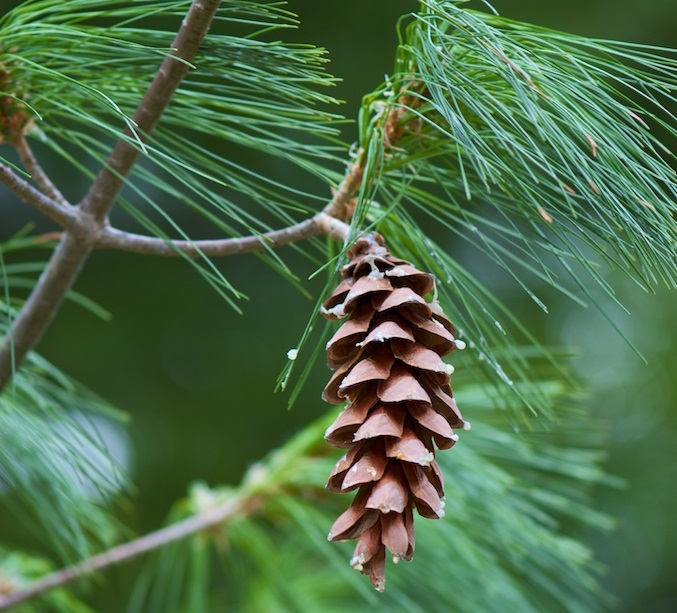
When exploring the rugged, mist-covered landscapes of Maine, visitors are often struck by the untamed beauty of its natural flora. From the jagged cliffs of Acadia National Park to the serene woodlands surrounding Moosehead Lake, the state is a tapestry of botanical wonder. Among this diversity, one symbol stands out as the official emblem of the Pine Tree State: the white pine cone and tassel.
While many states choose vibrant, petaled blossoms like roses or lilies, Maine took a distinctly rustic path. Understanding the significance of the white pine cone and tassel requires a deep dive into the state’s history, its connection to the timber industry, and the enduring identity of its people.
The History of the Floral Emblem
The selection of the state flower was not an overnight decision but rather a reflection of the deep-seated pride that residents of New England hold for their natural resources. In the late 19th century, as states across the United States began adopting official floral symbols to represent their unique character at the World’s Columbian Exposition in Chicago, Maine looked toward its most iconic feature: the Eastern White Pine.
Legislative Roots
In 1895, the Maine State Legislature officially designated the pine cone and tassel as the state floral emblem. It was a bold choice that prioritized the tree that had fueled the state’s economic and architectural growth for centuries. Unlike other states that favored delicate garden flowers, Maine chose a symbol that was hardy, resilient, and inherently linked to the forest floor.
A Departure from Tradition
By choosing a conifer part rather than a flower in the traditional botanical sense, Maine demonstrated its rugged, outdoorsy spirit. For those traveling through the Appalachian Mountains or hiking the trails near Mount Katahdin, the presence of the white pine serves as a constant reminder of the state’s dedication to preserving its natural heritage.
The Significance of the White Pine
To truly appreciate why this choice remains relevant today, one must consider the historical and ecological importance of the Eastern White Pine (Pinus strobus). It is not merely a tree; it is the backbone of the region’s history.
The Timber Legacy
During the colonial era, the massive white pines of Maine were highly coveted by the British Royal Navy for use as ship masts. These trees could grow to immense heights, towering over the forest canopy. This economic reliance on timber shaped the development of towns along the Penobscot River and Kennebec River, establishing the foundation for the state’s maritime culture.
Ecology and Conservation
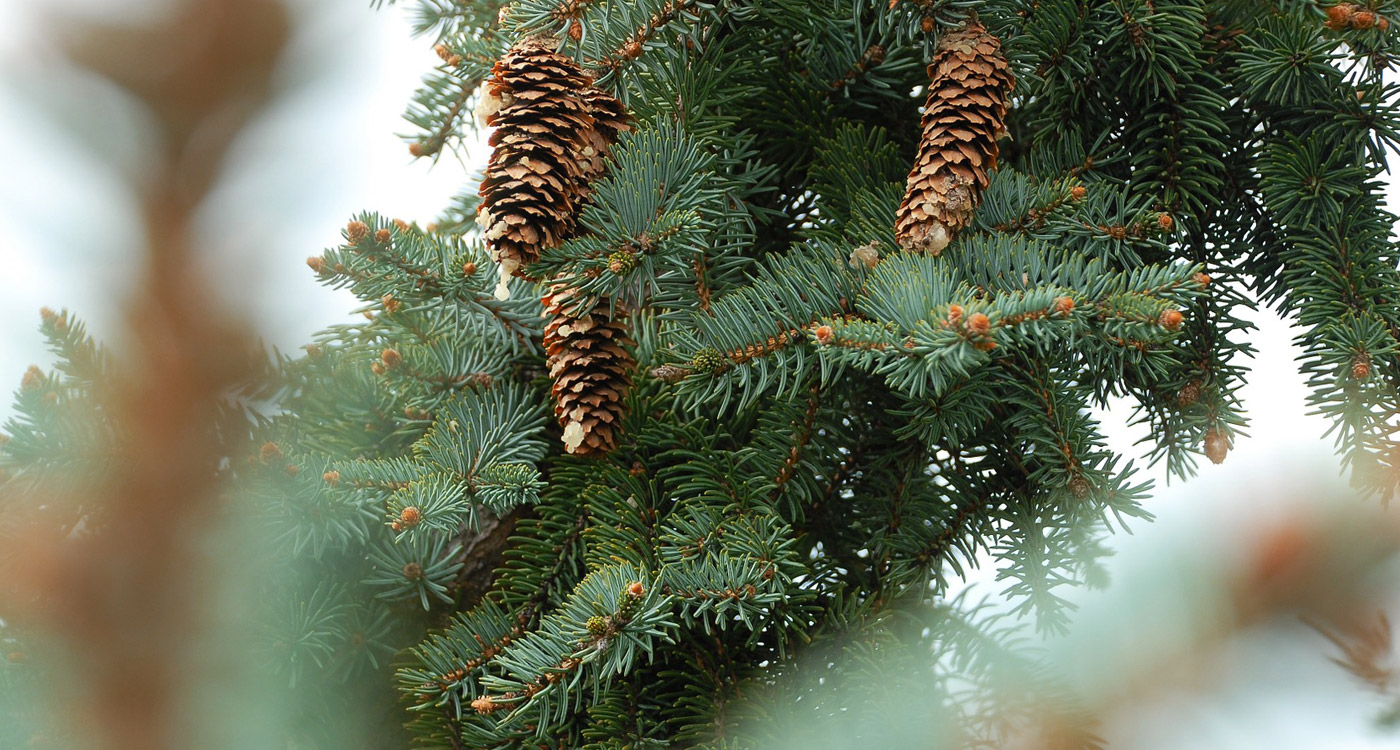
Beyond the economics, the white pine is a vital component of the local ecosystem. Providing shelter for birds, squirrels, and a variety of insects, the tree acts as a guardian of the Northeast forest. Visitors exploring the North Woods will find that the white pine cone and tassel represent the quiet strength of the wilderness. Protecting these forests is a primary goal for organizations managing lands near Baxter State Park, ensuring that the state flower’s namesake remains a prominent feature of the horizon.
Where to Find Nature’s Symbols in Maine
For the modern traveler interested in botany and landscape appreciation, Maine offers countless opportunities to view these symbols in their native habitat. Whether you are visiting Portland or venturing into the more remote Aroostook County, the white pine is everywhere.
Coastal Hikes and Forest Walks
If you are planning a trip to Bar Harbor or the rugged coastline of Camden, take the time to notice the forest floor. During late summer and autumn, you can easily spot the distinct, elongated cones of the Eastern White Pine. Walking the trails in Wolfe’s Neck Woods State Park provides an excellent chance to see these cones up close, often scattered beneath the needles.
Botanical Gardens and Education
For those who prefer a more curated experience, the Coastal Maine Botanical Gardens in Boothbay offer extensive information regarding the native flora of the region. While they showcase a vast array of ornamental flowers, they also emphasize the importance of the white pine within the state’s broader ecosystem. It is an ideal destination for families and nature enthusiasts looking to understand the interplay between the state flower and the rest of the local environment.
The Enduring Identity of the Pine Tree State
As you traverse the landscapes from Augusta to the rocky shores of Lubec, the white pine cone and tassel serve as more than just a legislative curiosity. They represent a connection to the earth that is deeply felt by those who call Maine home.
A Symbol of Resilience
Just as the pine survives the harsh winters of New England, the culture of the state is built on persistence and hard work. The choice of the white pine cone is a testament to an identity that values utility and nature over fleeting aesthetic trends. It is a symbol that doesn’t demand attention through bright colors but rather earns respect through its quiet, steadfast presence.

Tips for Nature Enthusiasts
If you are traveling through the region, remember that nature is best experienced with respect for its longevity. When you find a white pine cone during your walk through Ogunquit or near Damariscotta, take a moment to admire the intricate layers of the cone. It is a reminder of the vast forests that have stood watch over Maine for centuries.
By prioritizing the white pine cone and tassel as its official state floral emblem, Maine invites travelers to look past the surface of its tourist attractions and appreciate the structural beauty of its wilderness. Whether you are photographing the coastal vistas of Rockland or simply enjoying the crisp, pine-scented air while staying at a local inn, you are participating in the state’s ongoing narrative of nature and heritage. The white pine is, and will always be, the true heart of the landscape.
LifeOutOfTheBox is a participant in the Amazon Services LLC Associates Program, an affiliate advertising program designed to provide a means for sites to earn advertising fees by advertising and linking to Amazon.com. Amazon, the Amazon logo, AmazonSupply, and the AmazonSupply logo are trademarks of Amazon.com, Inc. or its affiliates. As an Amazon Associate we earn affiliate commissions from qualifying purchases.