
When planning a trip to the scenic coast of Maine, understanding the local climate is essential for curating the perfect itinerary. Portland experiences four distinct seasons, each offering a unique perspective on New England charm. Whether you are strolling through the cobblestone streets of the Old Port or taking a ferry across Casco Bay, the temperature dictates everything from your wardrobe to your choice of outdoor activities.
Seasonal Weather Trends and Temperature Averages
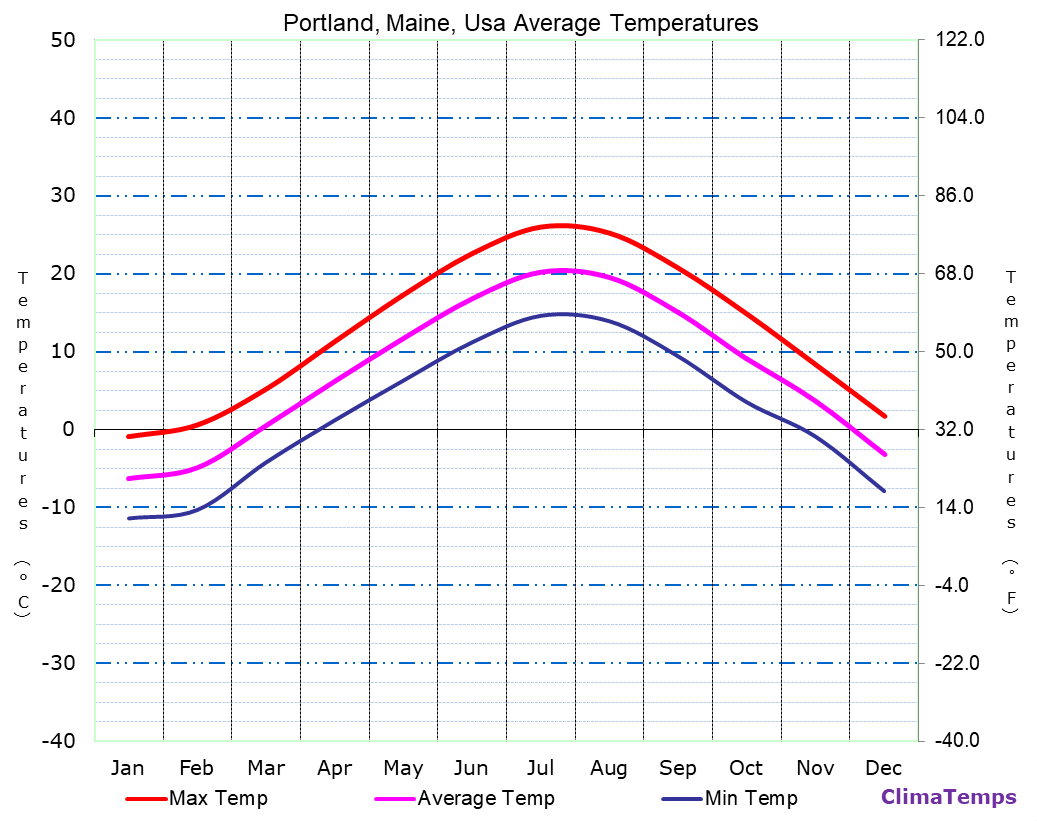
The climate in Portland, Maine is classified as humid continental, characterized by significant seasonal variations. Because of its location on the Atlantic Ocean, the city often experiences a moderate maritime influence, though winters remain cold and snowy.

Winter: The Chilly Embrace
From December through February, temperatures typically hover between 15°F and 35°F. Winter in Portland is defined by crisp, biting air and frequent snowfall. For travelers visiting during this time, the city takes on a quiet, aesthetic beauty, especially when the Portland Head Light is dusted with snow. While outdoor activities like lighthouse photography are popular, the cold necessitates heavy wool coats, insulated boots, and a plan to retreat frequently into cozy cafes.
Spring: A Gradual Awakening
As March turns to May, the region begins to thaw. Temperatures climb from the low 40s into the high 60s. Spring is a transitional season in Maine; the weather can be fickle, shifting from bright, sunny afternoons to drizzly, overcast mornings. It is the perfect time for visitors who prefer fewer crowds at the Portland Museum of Art and enjoy the sight of flowers blooming along the Eastern Promenade.
Summer: The Golden Season
June through August brings the most temperate and pleasant weather, with averages ranging from 60°F to 80°F. Humidity is generally low compared to the southern United States, making it an ideal destination for those escaping the heat. These months are perfect for whale watching tours departing from the harbor or exploring the historic Fort Williams Park.
Autumn: The Crisp Transformation
September and October are arguably the most picturesque months. As the foliage turns vibrant shades of orange and red, the mercury dips back down to the 50s and 60s. The air becomes crisp and refreshing, providing the quintessential backdrop for visiting local orchards or participating in the annual Harvest on the Harbor festival.
Planning Your Wardrobe Based on Portland’s Climate
Effective travel to Portland requires a strategic approach to packing. Because the weather can change rapidly—a phenomenon known as “coastal variability”—layering is the golden rule for any visitor.
Essential Layers for Every Traveler
Regardless of when you visit, a high-quality windbreaker or waterproof jacket is a non-negotiable item. The proximity to Casco Bay ensures that a cool ocean breeze is almost always present, even on relatively warm summer days. If you are venturing out to Peaks Island or walking the Portland Freedom Trail, having a light sweater or fleece that can be easily shed or added will ensure your comfort throughout the day.
Footwear for Coastal Exploration
The historic streets of the Old Port are often paved with uneven brick and stone. While the temperature might suggest sandals, the terrain demands supportive walking shoes. For those planning to visit during the shoulder seasons or winter, waterproof footwear is essential to navigate the slush or spring rain puddles that often accumulate in the city center.
Optimal Timing for Tourist Activities
The temperature heavily influences the accessibility and enjoyment of popular tourist attractions in Portland. Knowing what to expect allows you to align your interests with the seasonal norms of New England.
When to Prioritize Outdoor Landmarks
If your itinerary is packed with visits to natural landmarks like the Bug Light Park or the Baxter Woods, aim for late June through early September. During these months, the daytime temperatures are consistently warm enough to remain outdoors for several hours without discomfort. This is the prime window for kayaking, paddleboarding, and taking scenic boat tours around the islands of Casco Bay.
When to Prioritize Indoor Culture
The colder months are surprisingly rewarding for those interested in the culinary and artistic scenes. When the thermometer drops, the focus shifts to the city’s vibrant indoor culture. Spend your afternoons exploring the Children’s Museum and Theatre of Maine or warming up with a cup of authentic Maine clam chowder in a historic tavern. The lower temperatures in the winter months make the fire-lit lounges and cozy restaurants of the Old Port feel even more inviting.
Understanding Microclimates and Coastal Breezes
Visitors often ask if the temperature in downtown Portland is the same as the temperature on the outskirts of the city. While the regional weather patterns remain similar, there are noticeable differences driven by proximity to the Atlantic Ocean.
The Cooling Effect of the Atlantic
Areas located directly on the waterfront, such as the Eastern Promenade, often experience temperatures that are 5 to 10 degrees cooler than locations just a few miles inland. This “sea breeze” effect is most pronounced during the spring and early summer afternoons. When the inland air heats up, the cooler ocean air is drawn toward the shore, providing a natural air-conditioning effect that can be a welcome relief during a heatwave.
Inland vs. Coastal Differences
As you travel further away from the coast toward inland Maine, the tempering effect of the ocean diminishes. This means that inland areas often see higher highs in the summer and lower lows in the winter. If you are planning a day trip to the countryside, check the forecast specifically for that region rather than relying solely on the data for Portland, Maine.
Tips for Monitoring Weather in Portland
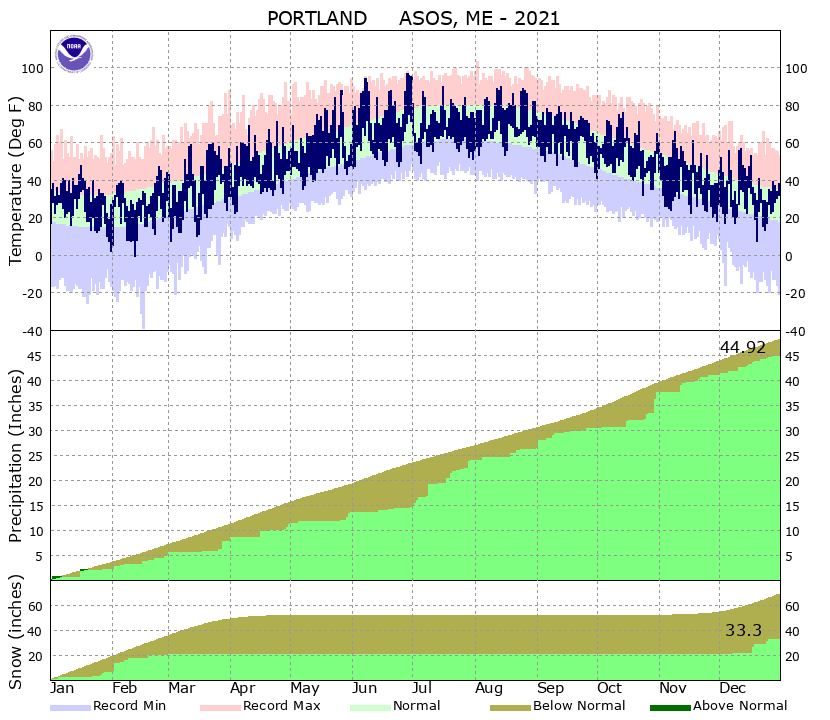
To make the most of your visit, keep an eye on local meteorological updates. Weather in New England is notoriously dynamic, and local weather apps provide the most accurate hourly predictions.
- Check the Hourly Forecast: Because systems move quickly across the Atlantic Ocean, a sunny morning can easily transition into a cloudy, breezy afternoon.
- Monitor the Wind Chill: In the winter months, the wind chill factor is a much better indicator of your comfort level than the ambient temperature. When visiting the Portland Head Light, wind exposure is high, so always check the “feels like” temperature.
- Use Local Resources: Reliable local news sources often provide the most detailed reports, particularly regarding fog warnings for Casco Bay or snow accumulation estimates in winter.
By understanding the seasonal temperature shifts and the nuances of the coastal climate, you can prepare for an incredible journey. Whether you are coming for the vibrant leaves of autumn or the sun-drenched docks of summer, Portland remains a premier destination for those who appreciate the true beauty of the Maine coastline. Pack your layers, bring your camera, and embrace the variable, yet always beautiful, weather of this New England gem.
LifeOutOfTheBox is a participant in the Amazon Services LLC Associates Program, an affiliate advertising program designed to provide a means for sites to earn advertising fees by advertising and linking to Amazon.com. Amazon, the Amazon logo, AmazonSupply, and the AmazonSupply logo are trademarks of Amazon.com, Inc. or its affiliates. As an Amazon Associate we earn affiliate commissions from qualifying purchases.