
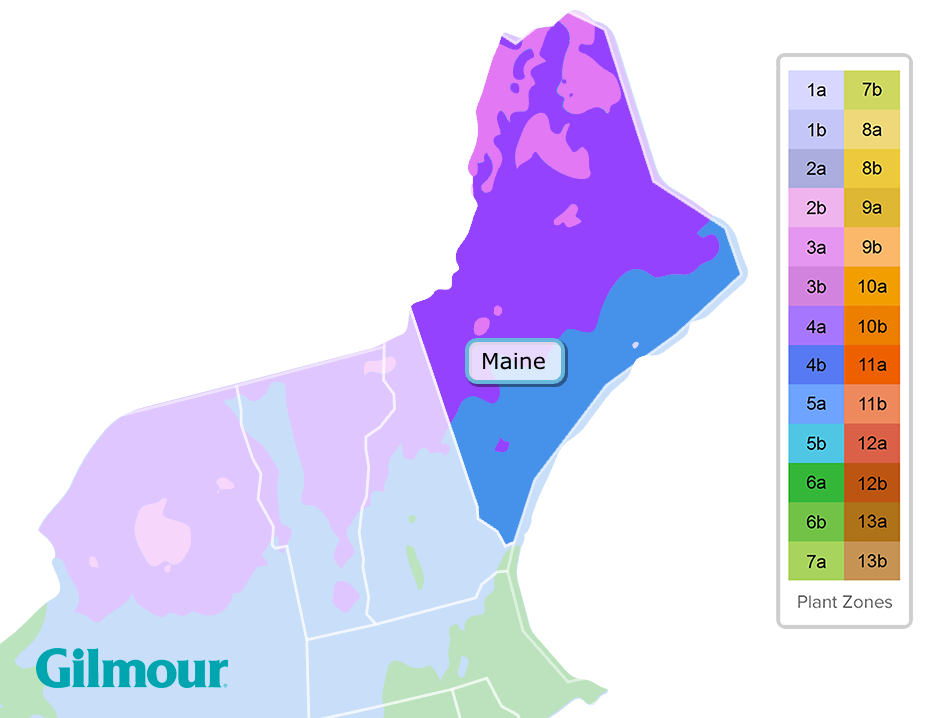
Understanding the climatic landscape of Maine requires a shift in perspective. Unlike regions defined by singular, predictable patterns, this northeastern state is a mosaic of atmospheric conditions. When discussing weather zones for 2023, travelers must look beyond the standard continental classifications and instead evaluate the interplay between the rugged coastline of the Atlantic Ocean and the dense, mountainous terrain of the Appalachian Mountains. Whether you are planning a coastal retreat to Bar Harbor or an excursion into the North Woods, identifying the specific weather zone is essential for a successful itinerary.

The Coastal Climate Zone: Temperate Maritime Influences
The coastal region of Maine experiences a unique weather profile significantly moderated by the Gulf of Maine. Throughout 2023, visitors to towns like Portland and Kennebunkport noticed how the ocean acted as a thermal regulator.
Seasonal Transitions in the Coastal Corridor
In the spring, the Atlantic Ocean waters remain cold, which can lead to late-season sea fog and cooler temperatures along the shoreline. By mid-summer, these areas provide a refreshing escape from the heat waves often felt further inland. As autumn approaches, the maritime influence works in reverse, keeping the coastal air milder for longer, which often delays the first frost compared to the interior highlands.
Preparing for Maritime Variability
Travelers visiting the coast should be prepared for rapid atmospheric changes. It is not uncommon to experience a bright, sunny morning in Camden followed by a misty, cooler afternoon. The maritime weather zone dictates that layers are non-negotiable, even during the peak of summer, as evening temperatures can drop significantly once the sun dips below the horizon of Penobscot Bay.
The Interior Highland Zone: Continental Extremes
Moving away from the cooling influence of the coast, the interior of Maine shifts into a humid continental climate zone. This region, characterized by the vast forests and the rugged landscape near Baxter State Park, experiences the most dramatic fluctuations in temperature.
The Dynamics of Mountain Weather
The presence of Mount Katahdin and the surrounding peaks creates a distinct microclimate. Elevations here dictate the weather more than anywhere else in the state. In 2023, hikers and outdoor enthusiasts observed that while the lower valleys might be experiencing warm, humid days, the summits were subject to rapid cloud cover and significantly higher wind speeds.

Adapting to Continental Patterns
The interior zone is defined by “shorter” summers and significantly harsher winters. The frost-free season is markedly shorter here than in Boothbay Harbor. Consequently, travelers heading to the interior should prioritize moisture-wicking gear and high-quality insulation. This zone is a paradise for those who enjoy the specific challenges of seasonal weather, as it offers the most reliable snow cover for winter sports and the most vibrant foliage displays during the transition into autumn.
Navigating the Seasonal Shifts of 2023
The “weather zone” for a state like Maine is never static. Throughout 2023, the state experienced a series of meteorological patterns that highlighted the distinction between the northern and southern sectors.
Northern Maine’s Arctic Tendencies
The northernmost parts of the state, particularly near the Allagash Wilderness Waterway, operate as a separate weather zone entirely, often aligning more closely with the conditions found in parts of Canada. Here, the influence of arctic air masses is profound. For those planning a trip to Aroostook County, 2023 served as a reminder that winter weather arrives early and stays late. The transition periods in spring and fall are brief, meaning the window for specific outdoor activities like fishing or canoeing is precise.
Southern Maine’s Transitional Influence
Conversely, the southern tip of the state, including Ogunquit and York, acts as a transition zone between the more temperate New England states and the cooler northern climates. During 2023, this region saw a gradual warming trend that extended the tourism season well into October. The weather here is less about the extremes and more about the gradual, predictable shift of seasons, making it the most popular zone for visitors who prefer milder conditions.
Strategic Planning: How to Gauge Your Destination
When selecting your destination in Maine, you must align your expectations with the specific microclimate of your chosen town. Understanding the weather zone is not just about temperature; it is about the “feel” of the environment and the activities that the weather supports.
The Role of Topography
Topography is the silent architect of Maine weather. The White Mountains provide a barrier that often forces weather systems to stall or shift, creating a rain shadow effect in some regions. When researching your travel plans, check the specific altitude of your accommodation. A resort located at a higher elevation in the Western Mountains will almost certainly be colder than a hotel located in Old Orchard Beach.
Meteorological Tips for the Modern Traveler
- Leverage Local Forecasts: Do not rely on generic state-wide weather apps. Instead, utilize localized forecasts for the specific county or town you are visiting. The difference between Bangor and the coast can be as much as 10 to 15 degrees Fahrenheit.
- Embrace the Variability: Part of the allure of Maine is its unmanicured, raw beauty. The weather is a key component of this experience. Whether it is the fog rolling over Acadia National Park or the crisp, clear air of the Rangeley Lakes region, the atmospheric conditions define the aesthetic.
- Seasonal Timing: If your primary goal is hiking, aim for the late spring or early autumn, when the interior weather zones are most stable. If you are focused on ocean activities, the maritime zone is at its most hospitable from July through early September.
Conclusion on Weather Zones
Ultimately, the weather zones of Maine in 2023 provided a reminder of nature’s unpredictability. Whether you categorize the state by its coastal, highland, or northern zones, the key takeaway for any traveler is to remain flexible. By respecting the nuances of each geographical area, you can ensure that your experience—whether in the refined atmosphere of Kennebunk or the wild expanse of the St. John Valley—is defined by comfort and preparedness rather than weather-related frustration. The state rewards those who pay attention to the shifts in the wind and the elevation of the land, proving that in Maine, the journey is as much about the elements as it is about the destination.
LifeOutOfTheBox is a participant in the Amazon Services LLC Associates Program, an affiliate advertising program designed to provide a means for sites to earn advertising fees by advertising and linking to Amazon.com. Amazon, the Amazon logo, AmazonSupply, and the AmazonSupply logo are trademarks of Amazon.com, Inc. or its affiliates. As an Amazon Associate we earn affiliate commissions from qualifying purchases.