
The story of Maine is as rugged and enduring as the granite cliffs that line its jagged Atlantic coastline. To understand when this iconic region was established, one must look beyond a single date and examine the centuries of colonial ambition, territorial disputes, and shifting allegiances that ultimately birthed the “Pine Tree State.” While March 15, 1820, marks the official moment Maine achieved statehood as the 23rd state in the United States, its historical foundation stretches deep into the colonial era of North America.
The Colonial Roots and Early European Exploration
Long before the concept of a “state” existed, the land now known as Maine was a patchwork of Indigenous territories, primarily home to the Wabanaki Confederacy. European interest in the region began in the early 17th century, driven by the lure of the lucrative fur trade and rich fishing grounds.
The Conflict of Sovereignty
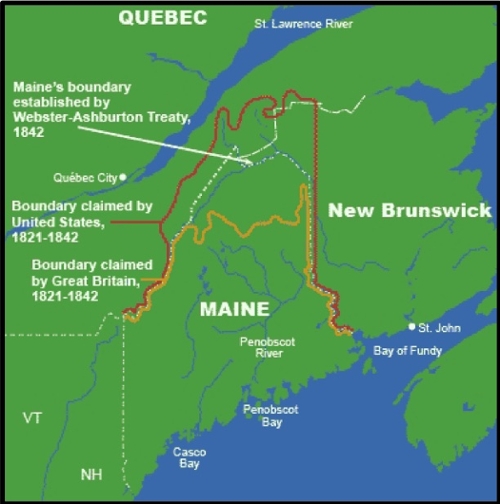
For decades, the territory of Maine was a geopolitical tug-of-war. The French claimed the region as part of Acadia, while the English crown issued land grants to various merchant companies. Early settlements, such as those at Popham Colony in 1607, faced harsh winters and supply shortages, often leading to abandonment. It wasn’t until 1652 that the Massachusetts Bay Colony formally annexed parts of Maine, asserting jurisdiction that would remain in place for nearly 170 years.
Life Under Massachusetts
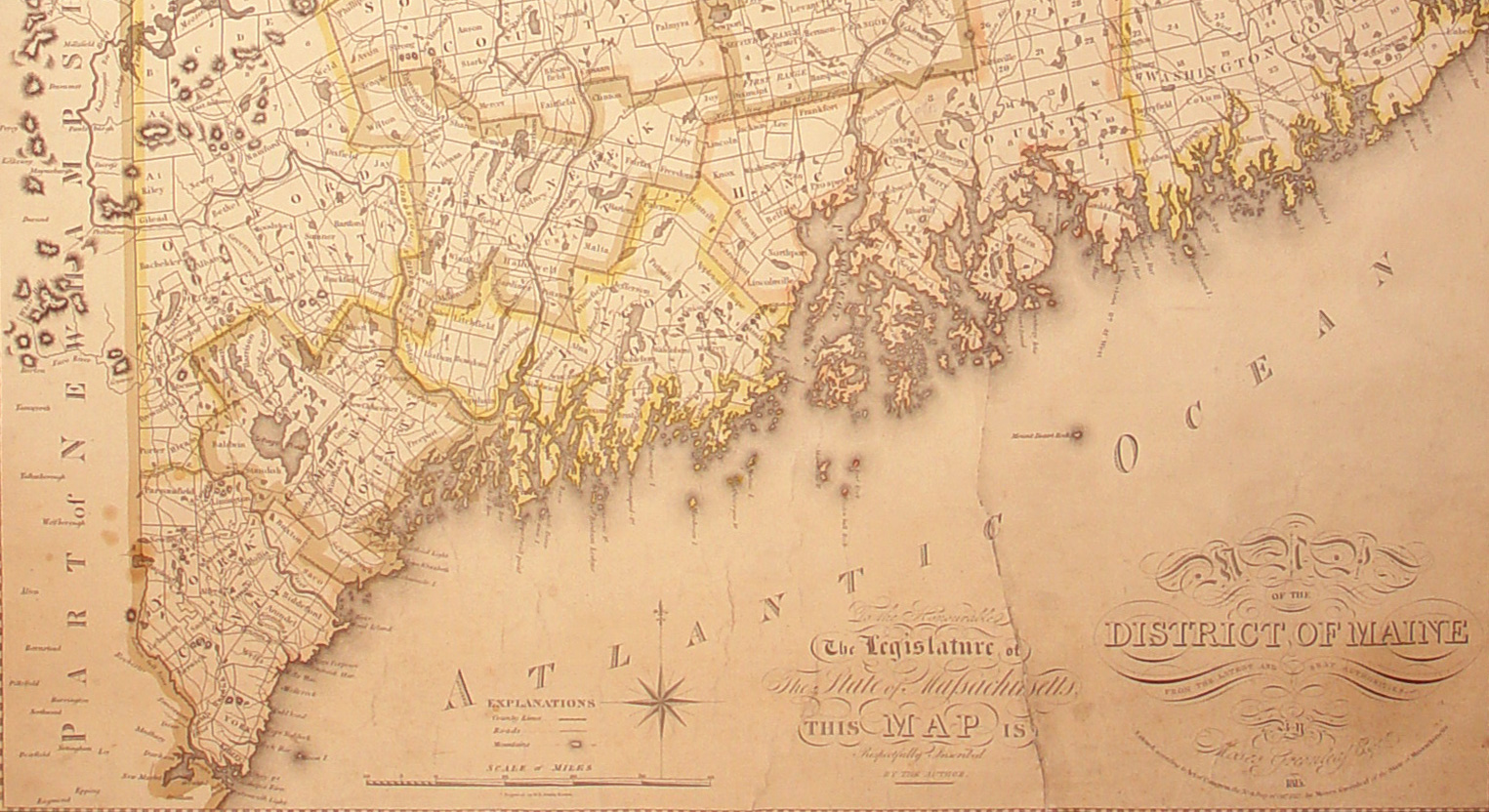
Throughout the 18th century, Maine was not an independent entity but rather the “District of Maine,” a northern appendage of Massachusetts. This arrangement grew increasingly contentious. As the population in the District expanded, residents began to feel that their interests—ranging from land reform to economic development—were being ignored by the political elite based in Boston. The geographic distance, coupled with a distinct culture built around logging, shipbuilding, and maritime commerce, created a growing divide between the coast of Massachusetts and the forests of Maine.
The Path to Statehood: The Missouri Compromise
The movement for Maine’s independence from Massachusetts gained significant momentum following the War of 1812. The war highlighted the vulnerability of the region, as British forces occupied much of eastern Maine, and the government in Boston failed to provide adequate defense. This sense of abandonment catalyzed a formal push for separation.
The Political Maneuvering
By the late 1810s, the desire for autonomy had reached a fever pitch. However, the path to becoming a state was intricately tied to the broader national debate over slavery. At the time, the balance of power in the United States Senate between “free” states and “slave” states was critical. When Missouri applied for statehood as a slave state, Congress faced a deadlock.

The Great Balancing Act
To maintain the delicate equilibrium, legislators crafted the Missouri Compromise of 1820. This landmark legislative act authorized Maine to enter the Union as a free state, while Missouri would be admitted as a slave state. This ensured that the regional interests of the North and South remained temporarily balanced, forever linking Maine’s birth as a sovereign state to a pivotal moment in American constitutional history.
Defining the State: Geography and Culture
Once Maine officially achieved statehood in 1820, it began to define its unique identity. Far from being merely a northern extension of New England, Maine developed a character defined by its dramatic topography and its relationship with the Atlantic Ocean.
The Maritime Legacy
Coastal towns like Portland and Bar Harbor flourished as centers of trade and industry. The state’s immense coastline, characterized by rocky islands, hidden coves, and iconic lighthouses like Portland Head Light, became the lifeblood of its economy. The maritime industry, encompassing everything from shipbuilding to the famous lobster trade, allowed Maine to project its influence far beyond its borders.
The Wilderness Frontier
Inland, the vast forests of Maine provided the resources that powered much of the northeastern United States. Regions like the North Maine Woods and the towering peaks of Mount Katahdin within Baxter State Park established the state as a bastion of wilderness. This deep connection to the land eventually fostered a culture of conservation, leading to the establishment of landmarks like Acadia National Park, which today attracts millions of visitors who come to witness the raw beauty of the Atlantic coastline.
Maine Today: A Legacy of Independence
While March 15, 1820, is the technical answer to “When was Maine established?”, the essence of the state lies in its long process of maturation. From the initial struggle to survive as a collection of isolated colonial outposts to the political drama of the Missouri Compromise, Maine has always occupied a space of “otherness.”
Preserving History
Today, the state serves as a living museum of colonial history and maritime ingenuity. Whether one is wandering the historic streets of Castine or exploring the maritime museums that dot the Midcoast region, the layers of history are palpable. The transition from a district of Massachusetts to a sovereign state fundamentally changed the trajectory of the region, allowing it to cultivate a distinct political and social identity that continues to resonate.
The Modern Identity
The modern state of Maine represents the culmination of this historical evolution. It is a place that celebrates its past while remaining fiercely protective of its natural environment. From the bustling streets of Bangor to the serene shores of Penobscot Bay, Maine remains a testament to the idea that independence is not merely a date on a calendar, but a continuous commitment to preserving a way of life that is as enduring as the rocky coast itself. Understanding the timeline of its establishment provides only the framework; experiencing the state provides the full, vibrant narrative of how a frontier district transformed into an essential pillar of the American landscape.
LifeOutOfTheBox is a participant in the Amazon Services LLC Associates Program, an affiliate advertising program designed to provide a means for sites to earn advertising fees by advertising and linking to Amazon.com. Amazon, the Amazon logo, AmazonSupply, and the AmazonSupply logo are trademarks of Amazon.com, Inc. or its affiliates. As an Amazon Associate we earn affiliate commissions from qualifying purchases.