
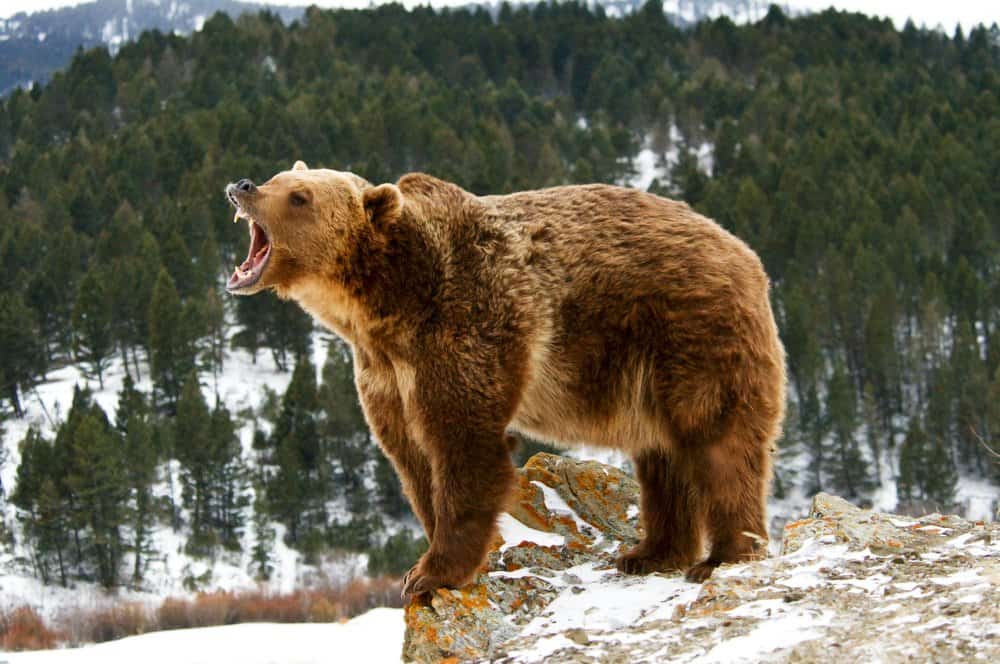
The state of Maine is often synonymous with the wild, rugged beauty of the North American wilderness. From the jagged coastline of Acadia National Park to the dense, sprawling woodlands of the North Maine Woods, the landscape feels primal and ancient. Yet, for those traveling through these forests, there is a notable absence of one of the continent’s most iconic apex predators: the grizzly bear. While Black Bears thrive in the thickets, the grizzly—Ursus arctos horribilis—is nowhere to be found. Understanding why requires a journey into the geological, ecological, and human history of the United States.
The Geographical and Biological Divide
To understand the absence of grizzly bears in New England, one must first acknowledge the natural range of the species. Historically, grizzly bears were creatures of the open plains, the Rocky Mountains, and the diverse ecosystems of the western half of the continent. They were never naturally inhabitants of the eastern deciduous and coniferous forests of the Northeast.
Historical Range Limitations
Grizzly bears evolved in environments that allowed for a specific combination of diet and mobility. They thrived in regions that offered vast expanses of open grasslands, alpine meadows, and salmon-rich rivers. While they are opportunistic omnivores, their biological requirements lean toward habitats where they can cover massive amounts of terrain to forage. The dense, canopy-covered forests of Maine offer a very different ecological profile. While these forests support a healthy population of American Black Bears, they do not provide the open-space forage density that historically characterized the core grizzly habitat.
The Success of the Black Bear
Black Bears are the true masters of the eastern forests. Smaller, more agile, and better adapted for climbing, they utilize the vertical nature of the dense woods of Maine to evade danger and access food sources that would be inaccessible to a grizzly. Because the black bear successfully occupied the ecological niche of a large, mammalian carnivore in New England, there was little biological incentive for the grizzly to expand its range eastward, even before human intervention became a factor.
The Impact of Colonial Expansion and Land Use
When European settlers began to colonize the Atlantic Coast, the environment of Maine underwent a radical transformation. This human footprint played a definitive role in shaping the biodiversity we observe today.
Human-Wildlife Conflict
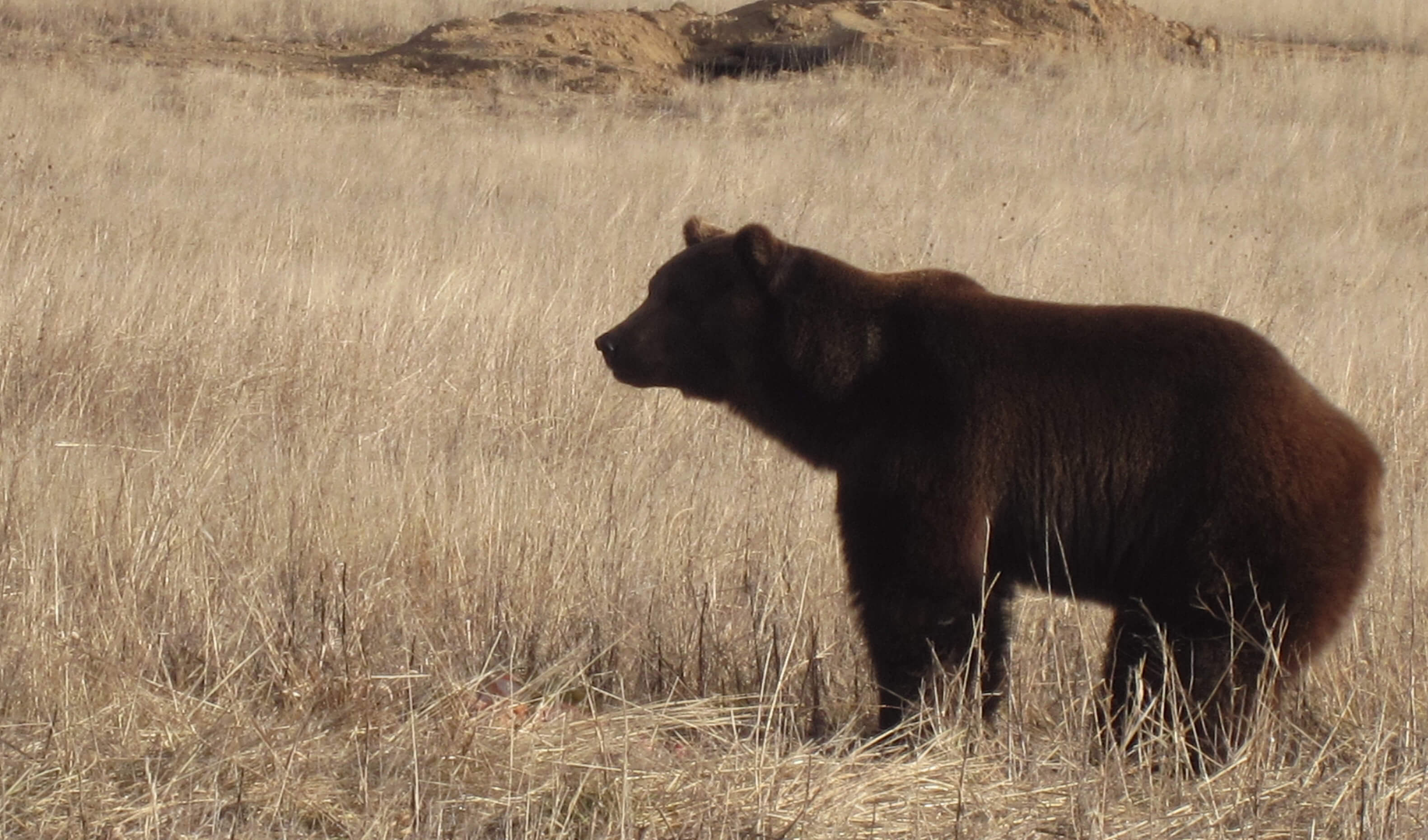
Even if grizzly bears had wandered into the Northeastern United States following the Last Glacial Period, their survival would have been precarious. Grizzly bears are notoriously intolerant of human presence and are highly susceptible to conflict with livestock and agriculture. As settlers moved into New England, the push for cleared farmland and the establishment of townships created a fragmented landscape. Unlike Black Bears, which have shown a remarkable ability to adapt to human-adjacent environments, the grizzly typically retreats from or aggressively defends territory against human encroachment. The history of westward expansion in North America is effectively a history of the systematic removal of grizzlies from populated areas.
Habitat Fragmentation
By the 18th and 19th centuries, the forests of Maine were heavily logged. Large-scale agriculture and the development of logging roads further fragmented the wilderness. For a species like the grizzly, which requires large, uninterrupted swaths of land to roam, this fragmentation acts as a psychological and physical barrier. The White Mountains of neighboring New Hampshire and the highlands of Maine were simply too isolated and too heavily used by early industry to support a species that requires such extensive home ranges.
The “Eastern Wilderness” Mythos
Many tourists visiting Maine often romanticize the state as an untouched, primordial paradise. While the Appalachian Mountains provide a stunning backdrop, the reality of the ecosystem is one of secondary growth and human influence.
Why It Matters for Wildlife Conservation
Recognizing why there are no grizzlies in Maine helps in understanding current conservation efforts. The focus in New England is on maintaining the health of existing apex predators, such as the Eastern Coyote and the Bobcat. The absence of the grizzly does not indicate a “broken” ecosystem; rather, it highlights the distinct, specialized nature of the Eastern Woodlands.
Safety for Travelers
For those hiking the Appalachian Trail or camping deep within the Baxter State Park, the absence of grizzly bears is, frankly, a logistical relief. While Black Bears still require hikers to store food securely and maintain a respectful distance, the threat posed by Black Bears is statistically far lower than that of the Grizzly Bear in the American West. This allows for a more accessible form of wilderness recreation, making the forests of Maine a premier destination for casual hikers and families who might otherwise be intimidated by the more dangerous fauna of the Rocky Mountains.
The Future of the Maine Wilderness
As we look toward the future, the conversation about Maine’s wildlife is shifting toward climate change and habitat connectivity. While we will likely never see grizzly bears roaming the St. John River or the slopes of Mount Katahdin, the health of the existing bear population remains a bellwether for the state’s environmental integrity.
Protecting the Current Population
The Maine Department of Inland Fisheries and Wildlife manages one of the most stable Black Bear populations in the United States. By protecting the vast tracts of land that make up the North Maine Woods, the state ensures that the ecological niche remains filled by a species that is well-suited to the climate and the terrain.

A Different Kind of Adventure
The absence of the grizzly allows the visitor to experience the Maine wilderness with a specific type of intimacy. There is a sense of peace in the quiet pine forests that is quite different from the high-alert, bear-spray-wielding trekking required in Yellowstone National Park. Travelers can enjoy the pristine lakes of the Rangeley Lakes Region or the stunning vistas of the Coastal Maine Botanical Gardens without the constant concern of a grizzly encounter.
In summary, the lack of grizzly bears in Maine is a result of a complex interplay between evolutionary biology, historical land use, and the distinct ecological profile of the Northeastern United States. It is a geographic reality that defines the nature of the New England experience, ensuring that while the landscape remains wild and untamed, it remains distinct from the rugged, grizzly-dominated environments of the West. For those who call Maine home or those who travel to its shores to find solace in nature, this distinction is not a deficiency, but rather a characteristic of a unique and vibrant ecosystem.
LifeOutOfTheBox is a participant in the Amazon Services LLC Associates Program, an affiliate advertising program designed to provide a means for sites to earn advertising fees by advertising and linking to Amazon.com. Amazon, the Amazon logo, AmazonSupply, and the AmazonSupply logo are trademarks of Amazon.com, Inc. or its affiliates. As an Amazon Associate we earn affiliate commissions from qualifying purchases.