
For those traveling to the rugged, picturesque coast of Maine, the state is often romanticized for its pristine pine forests, rocky shorelines, and the promise of a crisp, cold northern climate. It is a place where travelers go to escape the stifling humidity of more southern climes. Yet, even in this northernmost corner of the United States, the presence of the common cockroach can occasionally surprise visitors and locals alike. To understand how such resilient pests thrive in a state known for its harsh, sub-zero winters, one must look at the intersection of human infrastructure, global commerce, and the remarkable biology of one of the world’s most successful survivors.
The Myth of the Frozen North
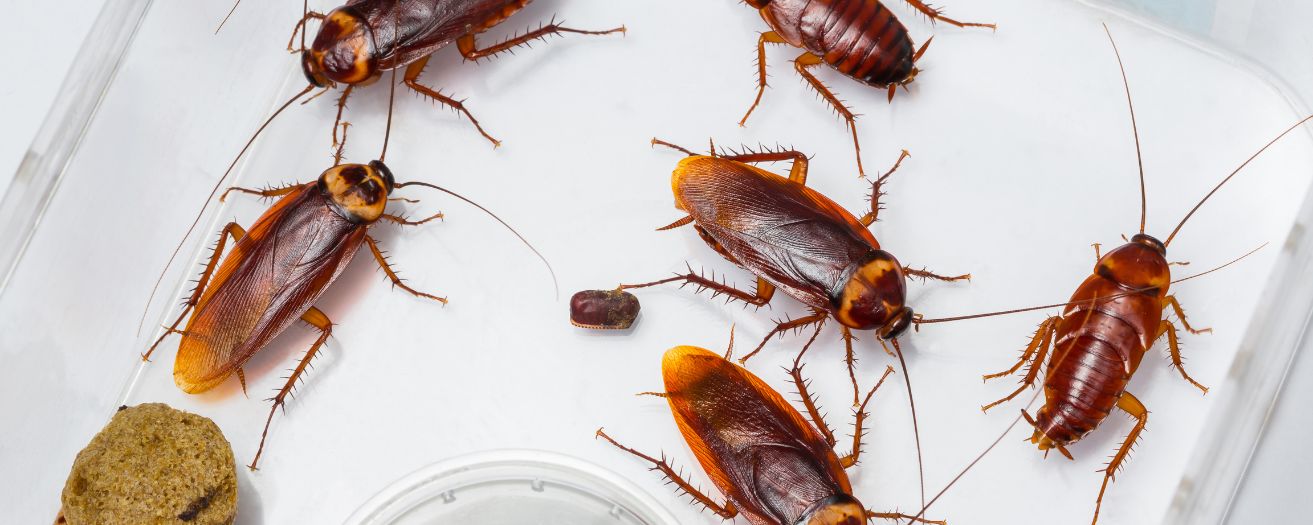
Many visitors arriving in Portland or exploring the quiet harbors of Bar Harbor operate under the assumption that Maine is too cold for cockroaches to survive. In a natural, wild environment—the thick forests of Acadia National Park, for instance—they would be entirely correct. Most common cockroach species, such as the German cockroach, are not native to North America and are tropical by nature. They lack the biological mechanisms to enter a state of true hibernation or survive deep, prolonged freezes.
However, the “Maine” that humans occupy is not the same as the “Maine” of the wild. Humans create artificial, climate-controlled micro-environments that essentially mimic the tropical regions where these insects originated. Whether staying in a historic bed and breakfast in Kennebunkport or an urban apartment complex, the indoor environment of a building remains constant, regardless of whether a blizzard is raging outside. These structures provide the three things every cockroach needs: warmth, moisture, and food. By sealing themselves inside our heating ducts, wall voids, and kitchens, these insects have effectively bypassed the geographical limitations of the northern climate.
The Global Transit Network
The primary way cockroaches have established a presence in New England is not through migration, but through hitchhiking. We live in a globalized economy where goods travel thousands of miles to reach our shelves. A cockroach does not need to walk to Maine; it simply needs to hide in a cardboard box at a distribution center in a warmer climate before being loaded onto a delivery truck destined for the Pine Tree State.
The Lifecycle of Hitchhiking
The German cockroach is a master of “hitchhiking.” Their flat, flexible bodies allow them to squeeze into the corrugations of cardboard boxes—a material they find particularly attractive because it mimics the crevices of their natural tropical habitats. When Maine businesses receive shipments of produce, clothing, or electronics, they are often unknowingly receiving an infusion of new residents. Once the box is brought into a warm basement or a kitchen pantry, the insect exits its temporary vehicle and begins the cycle of colonization.

The Role of Commerce and Tourism
As Maine continues to grow as a premier destination for seasonal tourism, the influx of travelers and goods intensifies. Hotels, resorts, and vacation rentals are high-traffic environments. Suitcases, which are essentially dark, enclosed containers moved from city to city, can inadvertently transport individual roaches or egg cases. While Maine is not a hotbed for infestations compared to places like Florida or Texas, the sheer volume of visitors moving in and out of the state ensures that the introduction of these pests remains a constant, albeit managed, phenomenon.
Micro-Climates and Indoor Survival
To thrive in a place where the temperature can drop well below freezing, a cockroach requires a specific type of habitat. In Maine, these are almost exclusively found within human-built structures. Understanding these micro-climates helps explain why an infestation might exist in one specific building while the neighboring property remains entirely free of them.
- Heating Systems: In older homes, particularly those in historic towns like Augusta, steam pipes and old radiator systems create perfect “highway” systems for insects. The warmth emanating from these pipes keeps the surrounding area at a tropical temperature year-round.
- Moisture Sources: Modern plumbing, even in the coldest climates, is prone to minor leaks. The area under a kitchen sink or behind a refrigerator provides a humid, damp environment that is essential for the survival of the species.
- Insulation: Modern energy-efficient homes in Maine are well-insulated to keep heat in. While this is great for the homeowner’s heating bill, it also provides an incredibly stable and consistent environment for a cockroach colony, effectively shielding them from the external reality of the North Atlantic winter.
Strategies for Prevention and Control
While the presence of cockroaches in Maine is an inevitability of modern life, it is not an indicator of poor sanitation or a widespread health crisis. Because these insects are dependent on human-provided warmth, their populations are typically concentrated and localized.
Vigilance in Travel and Trade
For those living in or visiting Maine, the most effective way to prevent these pests is through vigilance regarding incoming materials. Before bringing cardboard boxes into a living space, it is wise to inspect them, especially if they have been stored in a warehouse or transported from out of state. Unpacking boxes outside or in a garage can significantly reduce the risk of bringing an unwanted guest indoors.

Professional Management
In the context of the hospitality industry—whether a boutique inn in Camden or a resort near Bangor—proactive pest management is the standard. By utilizing integrated pest management (IPM) techniques, businesses can monitor for the presence of these insects without relying heavily on chemical sprays. This includes sealing cracks, eliminating standing water, and ensuring that waste management protocols are strictly followed.
Ultimately, the presence of cockroaches in Maine is a testament to the insect’s evolutionary success rather than a failure of the state’s environment. They exist here only because we have built a world that allows them to exist. By maintaining the integrity of our buildings and being mindful of the transit of our goods, we can enjoy the pristine beauty of Maine without sharing our living spaces with these resilient, unwanted hitchhikers. The rugged beauty of the Northeast remains a sanctuary, and with simple awareness, it can stay that way for both the permanent residents and the millions of travelers who visit every year.
LifeOutOfTheBox is a participant in the Amazon Services LLC Associates Program, an affiliate advertising program designed to provide a means for sites to earn advertising fees by advertising and linking to Amazon.com. Amazon, the Amazon logo, AmazonSupply, and the AmazonSupply logo are trademarks of Amazon.com, Inc. or its affiliates. As an Amazon Associate we earn affiliate commissions from qualifying purchases.