
When planning a getaway to the sun-drenched coast of Florida, many travelers find themselves weighing the distinct personalities of two iconic neighbors: Fort Lauderdale and Miami. Understanding the proximity and accessibility between these two metropolitan hubs is essential for curating an efficient itinerary. While they are often mentioned in the same breath, they offer markedly different atmospheres, and knowing how to navigate the corridor between them can turn a stressful commute into a seamless part of your vacation.
Geographic Proximity and Travel Logistics
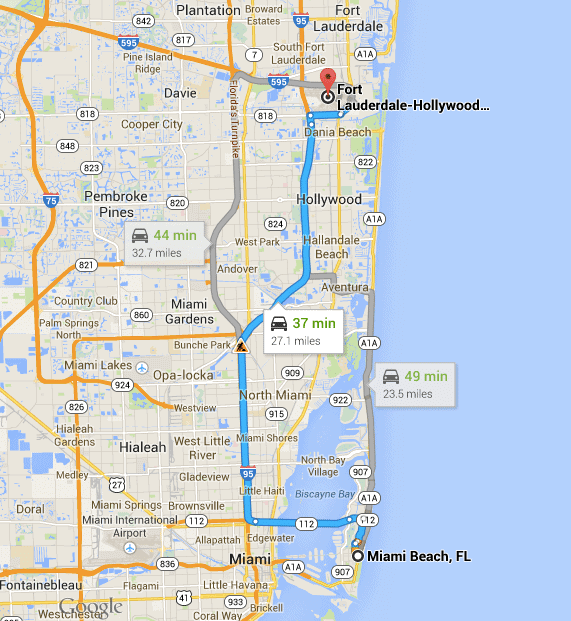
The distance between Fort Lauderdale and Miami is remarkably short, typically spanning roughly 30 to 35 miles depending on your specific starting point and final destination. In terms of travel time, the reality is highly variable. Under ideal traffic conditions, a direct drive via Interstate 95 can take as little as 45 minutes. However, the South Florida region is infamous for its congestion, particularly during morning and evening rush hours.
Driving Along the Coast
For those who prefer a more scenic route over the utilitarian highway system, US Route 1 or A1A provide glimpses of the Atlantic coastline. While these roads are significantly slower and prone to stop-and-go traffic through charming beach towns like Hollywood and Hallandale Beach, they offer a much more relaxed pace. If you are not in a hurry, taking the coastal route allows you to stop at various Atlantic Ocean beach access points or grab lunch at a local cafe in Sunny Isles Beach.
Public Transit and Rail Connectivity
For travelers who prefer to leave the driving to someone else, public transportation options have seen significant improvements. The Brightline high-speed train has revolutionized travel in the region. With dedicated stations in both downtown Fort Lauderdale and downtown Miami, passengers can traverse the distance in about 30 minutes. This is widely considered the most efficient and comfortable way to travel between the two cities, bypassing the unpredictable nature of the highway. Alternatively, the Tri-Rail offers a more budget-friendly commuter rail service, though it typically takes longer and requires additional transport to reach the final tourist destinations.
Contrasting the Vibe: Venice of America vs. The Magic City
While they are only a short distance apart, Fort Lauderdale and Miami cater to different travelers. Choosing where to stay often depends on the type of experience you are seeking.

The Laid-Back Elegance of Fort Lauderdale
Often referred to as the “Venice of America” due to its extensive system of canals and waterways, Fort Lauderdale offers a sophisticated, yacht-centric culture. The city is defined by its focus on maritime leisure, high-end shopping along Las Olas Boulevard, and the sprawling Fort Lauderdale Beach. It is generally perceived as a more relaxed environment, ideal for families, retirees, and those looking to enjoy boating or waterfront dining without the frantic pace of its southern neighbor.
The High-Energy Pulse of Miami
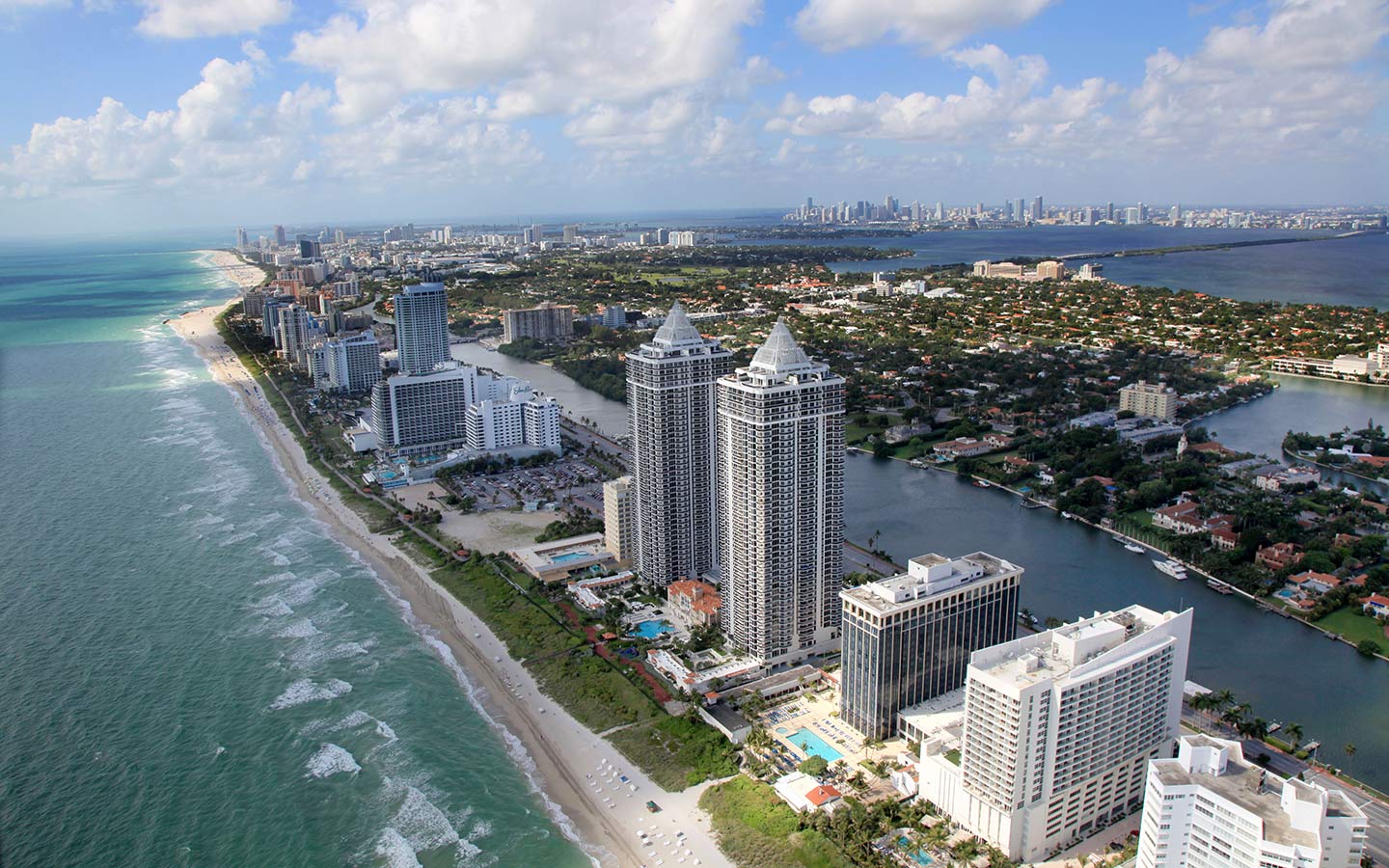
Conversely, Miami is a global epicenter of culture, nightlife, and design. From the neon-soaked Art Deco streets of South Beach to the vibrant murals of Wynwood, the city is a sensory overload in the best way possible. It is the destination for travelers who want to be in the middle of a cosmopolitan sprawl, featuring world-class dining, constant festivals, and a nightlife scene that ranks among the best in the world. Whether you are exploring Little Havana or checking out the luxury retail in the Design District, the energy is consistently electric.
Strategic Planning for Multi-City Trips
Because the cities are so close, many travelers attempt to split their vacation between both locations. To do this effectively, consider these logistical tips:
- Airport Strategy: Both Fort Lauderdale-Hollywood International Airport and Miami International Airport are primary gateways to the region. Often, Fort Lauderdale-Hollywood International Airport is less congested and offers more budget-friendly carrier options, making it a viable arrival point even if your primary destination is Miami.
- Base Your Stay: If you plan to visit both, you do not necessarily need to move hotels. Because the commute is relatively short, you can comfortably base yourself in Fort Lauderdale and take a day trip into Miami, or vice-versa. However, if you intend to experience the nightlife in South Beach, staying in Miami is advisable to avoid late-night travel logistics.
- Event Considerations: Be mindful of major events such as the Miami International Boat Show or Art Basel. During these times, the roads between the cities become heavily congested, and travel times can double or triple. Plan your transit well in advance if your visit aligns with major seasonal happenings.
Discovering Hidden Gems in Between
The corridor connecting Fort Lauderdale and Miami is home to several distinct communities that are worth exploring if you have a rental car or are feeling adventurous. The town of Dania Beach offers a vintage, retro-Florida appeal, while Aventura provides a polished atmosphere with massive shopping complexes and manicured landscapes.
For nature enthusiasts, the Oleta River State Park, located in North Miami, serves as a massive tropical oasis amidst the urban sprawl. It is a perfect halfway point for those looking to escape the pavement and immerse themselves in kayaking or biking through mangrove trails. By treating the space between the two major cities as an opportunity rather than a commute, you unlock a much deeper understanding of the Southeast Florida landscape.
Ultimately, the proximity between Fort Lauderdale and Miami is one of the region’s greatest assets. It grants visitors the flexibility to switch gears from a serene, canal-front morning in the north to a pulsing, art-filled evening in the south. By leveraging the efficient transit options and respecting the reality of local traffic, you can effortlessly weave both experiences into a single, cohesive, and memorable Florida vacation.
LifeOutOfTheBox is a participant in the Amazon Services LLC Associates Program, an affiliate advertising program designed to provide a means for sites to earn advertising fees by advertising and linking to Amazon.com. Amazon, the Amazon logo, AmazonSupply, and the AmazonSupply logo are trademarks of Amazon.com, Inc. or its affiliates. As an Amazon Associate we earn affiliate commissions from qualifying purchases.