
Navigating the vast expanse of the Sunshine State is a quintessential American experience. For those looking to bridge the gap between the high-energy, neon-lit streets of Miami and the sugar-white sands of the Emerald Coast, understanding the logistics of the journey is essential. While both locations are jewels of Florida, they offer drastically different atmospheres, making the trek between them feel like traveling between two different worlds.
Mapping the Distance and Route Options
The physical distance between Destin and Miami is approximately 680 to 700 miles, depending on your specific starting point and chosen route. This is a significant journey that spans the length of the Florida peninsula and cuts across the Panhandle. Travelers have several options, each offering a distinct perspective on the regional landscape.
The Standard Highway Route
The most common driving route involves taking Florida’s Turnpike north from Miami toward Orlando, then transitioning to Interstate 75 heading north, before eventually merging onto Interstate 10 to head west toward the Florida Panhandle. This route typically takes between 10 and 12 hours of pure driving time, excluding necessary stops for fuel, food, and rest. It is a straightforward path that navigates through the heart of the state, showcasing the transition from tropical urban sprawl to dense pine forests and rolling rural terrain.
The Coastal Scenic Alternative
For those who prefer a more relaxed pace and are not in a hurry to arrive, opting for secondary highways rather than major interstates can provide a deeper look at the lesser-known parts of the state. While this adds significant time to the journey, it allows travelers to pass through charming small towns, agricultural heartlands, and unique local ecosystems that are otherwise bypassed by the high-speed transit corridors.
Travel Modalities: Driving vs. Flying
Choosing how to traverse the 700-mile gap depends heavily on your timeline, budget, and desire for adventure. Each mode of transport serves a different type of traveler.
The Road Trip Experience
Driving offers ultimate flexibility. You have the freedom to pack your vehicle with beach gear, stop at roadside attractions like Silver Springs State Park, or detour to see the vibrant culture of Tallahassee. The driving route also allows for multi-day itineraries, perhaps breaking the trip up with an overnight stay in a city like Gainesville or Jacksonville.
However, one must account for the density of traffic in South Florida. Leaving Miami during peak rush hours can easily add an hour or more to your travel time. Once you hit the northern reaches of the state, the traffic thins out, but the monotony of the interstate can be taxing.
The Convenience of Air Travel
If your priority is spending more time on the sand and less time on the asphalt, flying is the clear winner. You can fly from Miami International Airport into the Destin-Fort Walton Beach Airport. While direct flights are sometimes limited, a short connection in Atlanta or Charlotte can still get you to your destination in a fraction of the time of a road trip. Air travel transforms a grueling 12-hour drive into a few hours of transit, leaving you refreshed for your first sunset on the Gulf of Mexico.

Planning for the Transition: From Tropics to Panhandle
The cultural shift between these two regions is as pronounced as the geographical distance. Understanding this will help you prepare for the trip.
The Vibe of Miami
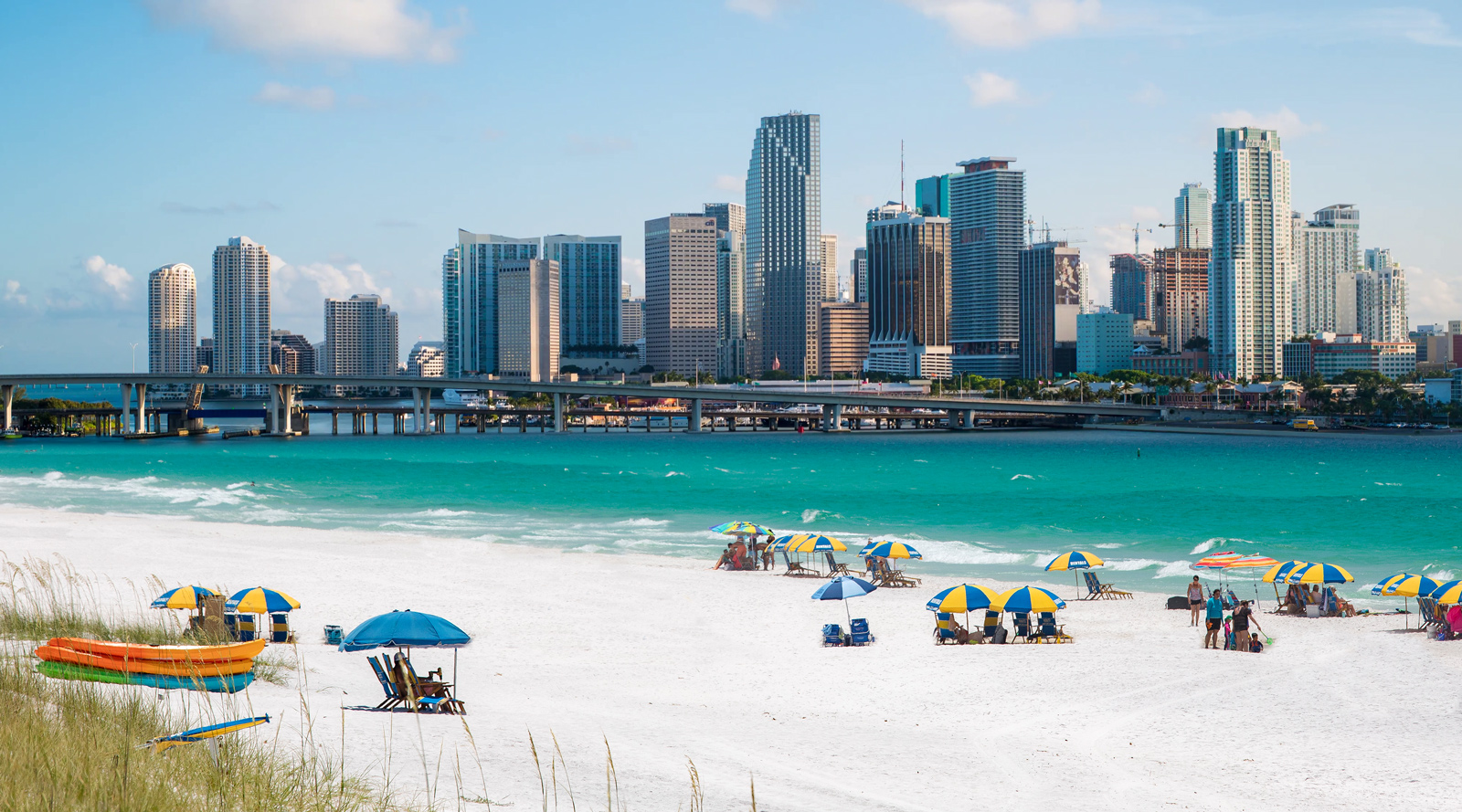
As a global hub, Miami is defined by its international flair, Art Deco architecture, and world-class nightlife. Whether you are spending time in South Beach or exploring the artsy murals of Wynwood, the energy is palpable, fast-paced, and fashion-forward. It is a city that never sleeps, defined by its Latin influence and bustling urban landscape.
The Charm of Destin
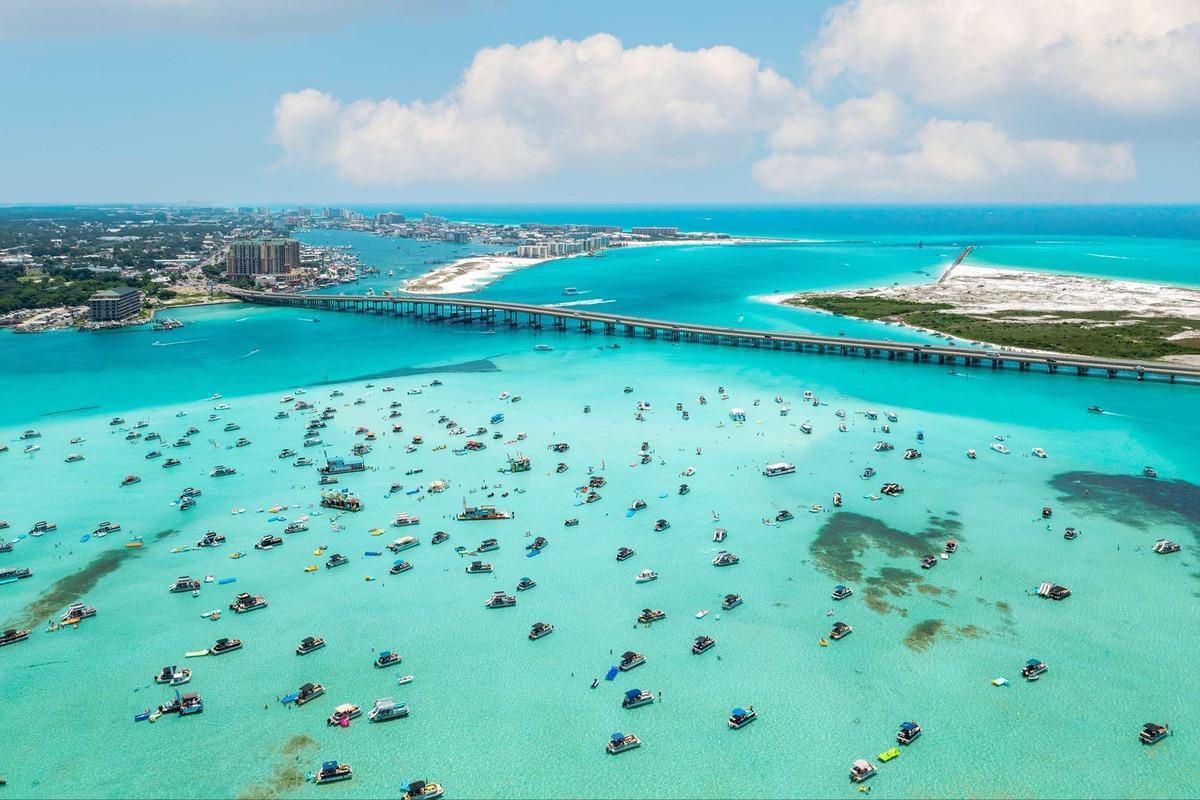
In contrast, Destin is the embodiment of Southern hospitality and coastal relaxation. Famous for its emerald-green waters and quartz-sand beaches, it is a haven for families, anglers, and nature enthusiasts. The pace here is dictated by the tide. You are more likely to spend your days on a charter fishing boat, visiting Henderson Beach State Park, or dining on fresh Gulf seafood at HarborWalk Village.
Essential Tips for the Journey
Regardless of whether you drive or fly, preparation is key to a successful Florida trek.
If You Choose to Drive
- Toll Awareness: Ensure you have a SunPass or similar electronic toll transponder, as Florida’s Turnpike and other major roads utilize all-electronic tolling.
- Weather Variability: The weather in South Florida can be quite different from the weather in the Florida Panhandle. Always check the forecast for your entire route, as summer storms can sweep across the state with little warning.
- Fuel Strategy: While gas stations are plentiful, long stretches of rural highway can occasionally lead to price gouging. Plan your fuel stops near major city centers to save money.
If You Choose to Fly
- Car Rental: Destin is a region that generally requires a car for exploration. Even if you fly in, look into rental car availability at the Destin-Fort Walton Beach Airport well in advance, as supply can be tight during peak tourist seasons.
- Luggage Considerations: If you are bringing specialized gear for water sports or deep-sea fishing, check baggage policies carefully to avoid excessive fees.
Making the Most of the Trip
Ultimately, the distance between Miami and Destin is an opportunity to see the diversity of the Sunshine State. If you have the luxury of time, consider turning the drive into a multi-stop vacation. You might choose to explore the historic sites of St. Augustine, the oldest city in the United States, or witness the natural beauty of the Apalachicola National Forest on your approach to the coast.
Conversely, if you are strictly focused on maximizing your beach time, the convenience of a flight from Miami International Airport remains the most efficient route. Whichever method you choose, you are traveling from one iconic Florida experience to another—a testament to why this state remains one of the most popular travel destinations in the world. Whether you are seeking the glitz of the Atlantic Ocean or the tranquil, crystalline depths of the Gulf of Mexico, the effort to traverse these 700 miles is well-rewarded by the unique beauty found at both ends of the journey.
LifeOutOfTheBox is a participant in the Amazon Services LLC Associates Program, an affiliate advertising program designed to provide a means for sites to earn advertising fees by advertising and linking to Amazon.com. Amazon, the Amazon logo, AmazonSupply, and the AmazonSupply logo are trademarks of Amazon.com, Inc. or its affiliates. As an Amazon Associate we earn affiliate commissions from qualifying purchases.