
Navigating the geography of South Florida is essential for anyone planning a visit or considering a relocation to the region. Many travelers and new residents often group Miami and Miramar together in their minds, but understanding the spatial and logistical relationship between these two cities is key to a smooth experience. Located in southern Broward County, Miramar sits just north of the Miami-Dade County line, acting as a functional suburban bridge between the metropolitan sprawl of Miami and the more residential stretches of Florida.
The Geographical Distance and Commute Dynamics
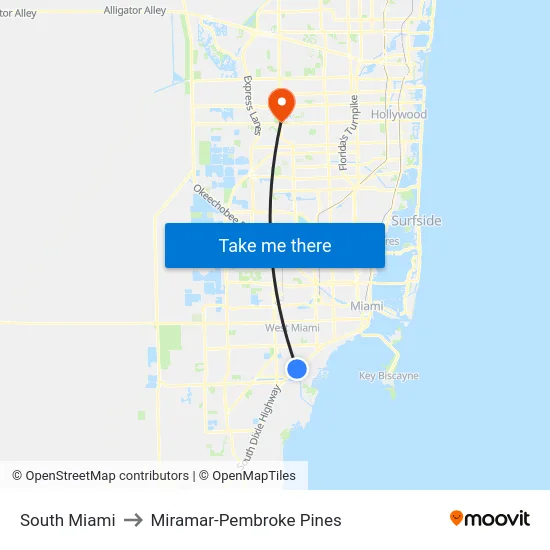
At a straight-line distance, Miramar is remarkably close to downtown Miami—approximately 20 to 25 miles depending on your specific starting point. However, in South Florida, geographical distance is rarely the best indicator of travel time. Because of the density of urban infrastructure and the interconnectedness of major highways, the actual commute can vary wildly based on the time of day and the flow of traffic along key arteries like the Florida Turnpike and Interstate 95.
Navigating the Major Arteries
For most travelers, the journey from Miami to Miramar involves navigating north-south corridors that are vital to the region’s economy. The Florida Turnpike often provides the most direct route for those heading toward the western side of Miramar, while Interstate 95 serves as the primary artery for those coming from the coastal areas of Miami Beach or downtown.
During off-peak hours, such as mid-morning or late evening, the drive can take as little as 35 to 40 minutes. However, during the traditional rush hours of 7:00 AM to 9:00 AM and 4:00 PM to 7:00 PM, this duration can easily double. The congestion on these highways is a well-known reality for locals, necessitating careful planning for anyone trying to bridge the gap between these two municipalities for business or leisure.
Alternative Transportation Routes
Beyond the major interstates, commuters and visitors sometimes utilize State Road 826, also known as the Palmetto Expressway. This route is particularly helpful for those moving between Miami International Airport and the residential hubs of Miramar. Understanding these alternative pathways is essential for avoiding the absolute worst of the traffic bottlenecks that characterize the South Florida commute.
Travel Considerations for Visitors and Tourists
For the traveler, the proximity of Miramar to Miami offers a unique opportunity to enjoy the best of both worlds. While Miami offers the frenetic, high-energy atmosphere of South Beach and the Art Deco District, Miramar provides a more relaxed, suburban environment that is still within striking distance of the major action.
Balancing Urban Excitement with Suburban Calm
Visitors often choose to stay in or near Miramar to take advantage of lower lodging costs compared to the premium pricing often found in Downtown Miami or Brickell. Because the distance is manageable, you can spend your mornings exploring the Everglades National Park—which sits to the west of both cities—and spend your evenings enjoying the world-class nightlife of Little Havana or Wynwood.
This strategy allows for a “home base” approach, where you can retreat from the noise of the city after a long day of sightseeing. The accessibility of the Tri-Rail system, which provides commuter rail service through the region, is another factor to consider. While not a door-to-door service for every specific neighborhood, it offers a way to bypass highway traffic when traveling between major hubs.
Seasonal Impacts on Travel
It is important to note that the distance feels much greater during the peak tourist season in Winter. From December through April, the influx of seasonal residents and vacationers significantly increases the volume of cars on the road. During this time, allow for extra travel time regardless of the route chosen. Conversely, during the warmer summer months, traffic is often lighter, making the transit between the two cities much more predictable.
The Cultural Connection Between the Two Cities
While separated by a county line, the identity of Miramar is inextricably linked to the broader South Florida culture. Many people who work in Miami choose to live in Miramar, drawn by the slightly larger lot sizes, family-friendly neighborhoods, and proximity to the Fort Lauderdale-Hollywood International Airport.
The Synergy of the Metro Area
The regional influence of Miami extends far into Broward County. You will find that the culinary scene in Miramar mirrors the diversity of its southern neighbor, with a heavy emphasis on Caribbean and Latin American flavors. Whether you are searching for authentic Cuban coffee or high-end fusion cuisine, the transition from the city center to the suburbs does not result in a loss of cultural vibrancy.
Why Distance Matters Less Than Connectivity
Ultimately, the question of “how far” is a matter of perspective. In a sprawling metropolitan area, the focus shifts from raw mileage to connectivity. With Uber, Lyft, and a well-developed network of ride-share options, the barrier between Miramar and the urban core of Florida is thinner than ever.
For the prospective traveler, viewing the distance through the lens of experience is far more beneficial than looking at a map. Whether you are driving down US Route 27 or navigating the suburban grid of Miramar Parkway, you are never truly “far” from the pulse of the region.
Practical Tips for Your Journey
To make the most of your time traveling between Miramar and Miami, keep these logistical tips in mind:
- Utilize Real-Time Navigation: Regardless of your local knowledge, tools like Google Maps or Waze are indispensable. They provide up-to-the-minute updates on accidents or lane closures that could add 20 minutes to your travel time.
- SunPass Integration: If you plan on driving extensively, ensure your vehicle is equipped with a SunPass transponder. Many of the faster routes, including the Florida Turnpike, utilize electronic tolling, and having this sorted before you hit the road prevents unnecessary administrative headaches.
- Plan Around Major Events: Keep an eye on the schedule for major venues like the Hard Rock Stadium, located in Miami Gardens. When there is a game or a major concert, the traffic patterns on the highways between Miramar and Miami shift drastically, and road closures can catch unsuspecting travelers off guard.
- Consider Early Morning Travel: If you have an engagement in Miami, arriving before the peak morning rush—usually before 6:30 AM—is the best way to ensure a stress-free commute. The same logic applies to evening travel; leaving either destination after 8:00 PM typically guarantees a much smoother drive.
By understanding these nuances, you transform what could be a tedious commute into a simple, predictable part of your trip. While Miramar and Miami are distinct municipalities with their own unique character, the reality of life in this corner of the world is that they are two parts of a single, thriving metropolitan ecosystem. Whether you are settling in or just visiting for a few days, mastering the distance between these two points is your first step toward enjoying everything that this beautiful, sun-drenched region has to offer.
LifeOutOfTheBox is a participant in the Amazon Services LLC Associates Program, an affiliate advertising program designed to provide a means for sites to earn advertising fees by advertising and linking to Amazon.com. Amazon, the Amazon logo, AmazonSupply, and the AmazonSupply logo are trademarks of Amazon.com, Inc. or its affiliates. As an Amazon Associate we earn affiliate commissions from qualifying purchases.