
Traveling from Miami to Seattle represents one of the most significant domestic transcontinental journeys you can take within the United States. Spanning nearly the entire width of the country, this trip transitions travelers from the tropical, humid atmosphere of the Atlantic coast to the lush, mountainous landscapes of the Pacific Northwest. Understanding the nuances of this flight duration is essential for anyone planning a business trip, a family vacation, or an adventure across North America.
Understanding Flight Durations: Non-Stop vs. Connecting
The time spent in the air depends heavily on whether you choose a direct route or a flight with one or more stops. For most travelers, efficiency is the priority, and non-stop flights serve as the gold standard for this specific corridor.

The Non-Stop Experience
When flying non-stop from Miami International Airport to Seattle-Tacoma International Airport, the scheduled flight time generally ranges between 6 hours and 30 minutes to 7 hours and 15 minutes. This duration can fluctuate based on the specific aircraft used, pilot flight path optimizations, and, most importantly, the prevailing winds. Because jet streams typically move from west to east, flying from Florida to Washington often involves heading “against the wind,” which can add several minutes to the total travel time compared to the return trip.
Factoring in Connecting Flights
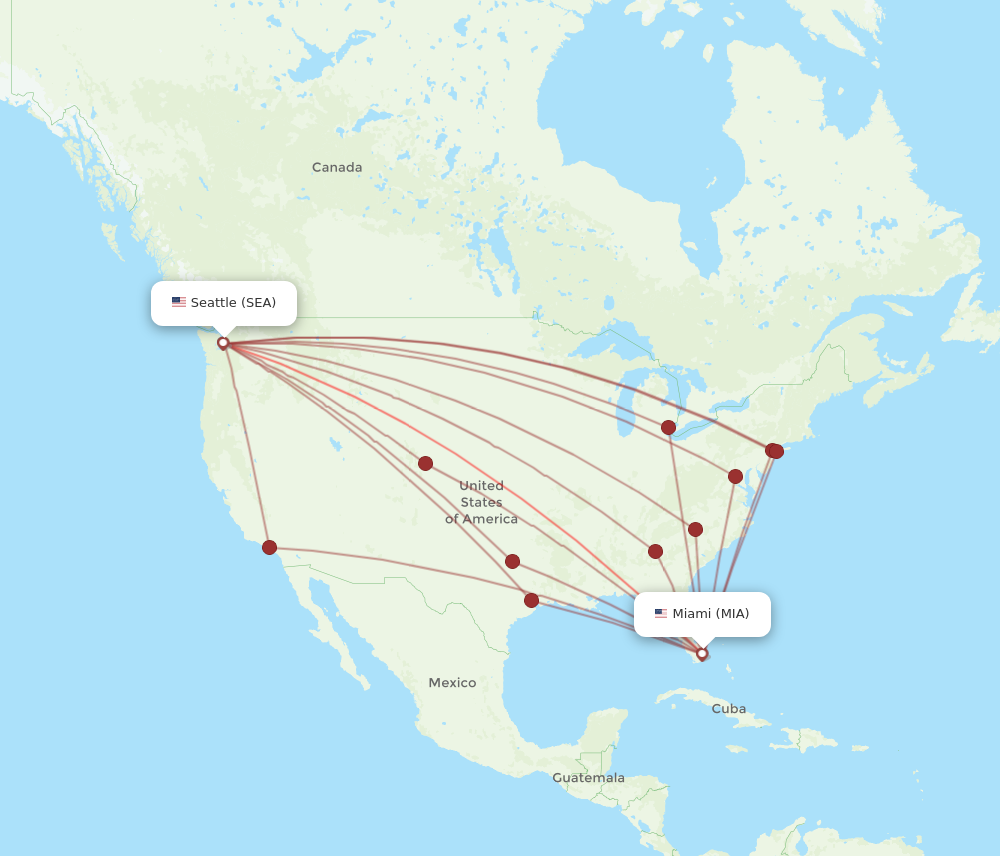
If non-stop options are unavailable or price-prohibitive, connecting flights are the alternative. These journeys can take anywhere from 9 to 12 hours total. Typical layover hubs for this route often include Denver, Dallas, or Chicago. While these flights offer more scheduling flexibility, they require navigating busy hubs like Denver International Airport, where terminal changes and security protocols can significantly impact your overall day of travel.
Variables That Affect Your Time in the Air
Flight schedules are estimates, and various atmospheric and logistical factors can turn a routine cross-country trip into a longer journey than expected. Being aware of these variables helps manage expectations when booking your airfare.
The Impact of Jet Streams and Weather
Aviation is deeply tied to meteorology. The jet stream—a core of strong winds high in the atmosphere—acts as a massive river of air. When your aircraft is fighting these headwinds, ground speed decreases. Conversely, winter storms passing through the Midwest or the Rocky Mountains can force air traffic controllers to reroute planes. Such detours, while safety-focused, often extend flight times by 15 to 30 minutes.
Aircraft Performance and Flight Paths
Different airlines utilize different fleets for this route. For example, a flight operated on a wide-body jet may have different performance capabilities than a narrow-body aircraft. Furthermore, the flight path itself is rarely a straight line. Air traffic control often mandates “airways”—effectively highways in the sky—that planes must follow. Depending on the density of air traffic over cities like Atlanta or Salt Lake City, your flight might take a slightly indirect path to maintain safety spacing between other commercial aircraft.

Ground Delays and Taxiing
It is a common misconception that “flight time” equals “travel time.” While you may be in the air for 7 hours, the total time from gate to gate includes taxiing to the runway and waiting for takeoff clearance. At major hubs, high-traffic periods during the morning or late afternoon can result in ground holds. Always budget an extra 30 to 45 minutes beyond the scheduled “in-air” time for these inevitable logistical delays.
Best Practices for Long-Haul Comfort
Preparing for a seven-hour journey requires a different mindset than a short-haul regional flight. Because you are crossing three time zones—moving from Eastern Time to Pacific Time—minimizing the physical toll of the flight is crucial.
Hydration and Nutrition
The cabin air at 35,000 feet is notoriously dry. Sustained travel across the continent can lead to dehydration, which often exacerbates the feeling of jet lag. Aim to drink water throughout the flight rather than relying solely on caffeinated beverages, which can disrupt your sleep cycle upon arrival. Furthermore, if you are traveling on an airline that does not offer meal service, pack light, protein-rich snacks. Heavy, salty foods served at airports can leave you feeling bloated and sluggish upon landing in Seattle.
Managing the Time Zone Shift
Flying from Miami to the West Coast effectively gives you “extra” hours in your day, but it can still disrupt your circadian rhythm. To mitigate this:
- Adjust your watch: As soon as you board, change your watch to Pacific Standard Time.
- Strategic napping: If you arrive in the evening, try to stay awake during the flight to ensure you are tired when you arrive at your hotel.
- Lighting exposure: Upon landing, seek out natural sunlight. This is one of the most effective ways to reset your internal clock.
Choosing Your Seat Wisely
For a flight of this length, seat selection is paramount. If you prioritize rest, a window seat is ideal as it prevents your sleep from being interrupted by neighboring passengers and provides a dedicated wall to lean against. If you prefer to stretch or move about the cabin, an aisle seat is the better choice. Check your airline’s seat map on sites like SeatGuru to ensure you are avoiding rows with limited recline or proximity to lavatories, which can be noisy and high-traffic throughout the flight.
Navigating the Arrival at Your Destination
Once you descend into Washington State, the transition from the airport to the city is the final leg of your journey.
From Sea-Tac to the City
Seattle-Tacoma International Airport is located roughly 15 miles south of downtown Seattle. Depending on traffic, a car ride can take anywhere from 25 minutes to an hour. For a more efficient option, consider the Link Light Rail, which offers a consistent travel time and bypasses the congestion often found on Interstate 5.
Final Travel Tips
When visiting, keep in mind that the Pacific Northwest climate is quite different from South Florida. Even if your flight departs in the warmth of a Miami afternoon, Seattle temperatures may require layers. Ensure your carry-on luggage includes a light jacket or rain-resistant shell to handle the potential drizzle that Seattle is famous for. By preparing your wardrobe and your schedule accordingly, you ensure that the transition from one side of the United States to the other is as smooth as possible.
LifeOutOfTheBox is a participant in the Amazon Services LLC Associates Program, an affiliate advertising program designed to provide a means for sites to earn advertising fees by advertising and linking to Amazon.com. Amazon, the Amazon logo, AmazonSupply, and the AmazonSupply logo are trademarks of Amazon.com, Inc. or its affiliates. As an Amazon Associate we earn affiliate commissions from qualifying purchases.