
As the primary gateway between the United States and the vibrant markets of Latin America and the Caribbean, Miami International Airport stands as a titan of global aviation. Understanding the sheer volume of human movement through this facility is not merely an exercise in statistics; it is a window into the pulse of international commerce, migration, and tourism. Each year, tens of millions of passengers traverse its concourses, reflecting the city’s status as a true “Capital of the Americas.”
The Scale of Passenger Throughput
The statistical reality of Miami International Airport is staggering. In recent annual reporting, the facility consistently handles upwards of 50 million passengers per year. This figure places it firmly among the busiest airports globally, often ranking within the top dozen in the United States for total passenger traffic.
Growth Trends and Recovery
Following a brief global contraction in air travel during the early 2020s, the airport has experienced a robust resurgence. The rebound is largely attributed to the pent-up demand for leisure travel to Florida and the strategic importance of Miami as a logistical hub. Modern infrastructure improvements have allowed the facility to manage this increased flow, ensuring that even during peak holiday seasons, the terminal operations remain fluid.
International vs. Domestic Split
What sets this airport apart from other major domestic hubs is the high percentage of international travellers. While domestic routes connect millions of passengers to New York, Los Angeles, and Chicago, nearly half of the airport’s traffic is international. The connection to nations like Brazil, Colombia, and Mexico remains the lifeblood of its operations, cementing the airport’s role as a bridge between continents.
The Drivers Behind the Numbers
Why do so many people flock to this specific point of entry? The answer lies in the multifaceted nature of the city itself. Miami is not just a destination; it is a global intersection for business and culture.
Business and Trade Connectivity
Miami serves as a regional headquarters for hundreds of multinational corporations looking to penetrate the South American market. This creates a constant stream of business travel throughout the year. The executive class relies heavily on the frequency of flights to major financial centers in Panama and Chile, keeping the airport’s premium lounges and business amenities in high demand.
Tourism as a Primary Catalyst
Beyond corporate interests, the allure of the Sunshine State is undeniable. Millions of travellers pass through Miami International Airport annually to access:
- The world-renowned beaches of South Beach.
- The cruise ship terminals at PortMiami, which serve as the world’s cruise capital.
- The cultural richness of Little Havana and the art installations of Wynwood.
- Proximity to the natural wonders of Everglades National Park.

For many, the airport is the first step in a larger journey, whether that involves a weekend in Downtown Miami or a longer trek toward Orlando and the famous theme parks found there.
Operational Challenges of High Volume
Handling 50 million people annually is a feat of engineering and management. The airport authorities have had to navigate significant logistical hurdles to maintain efficiency.
Infrastructure and Concourse Management
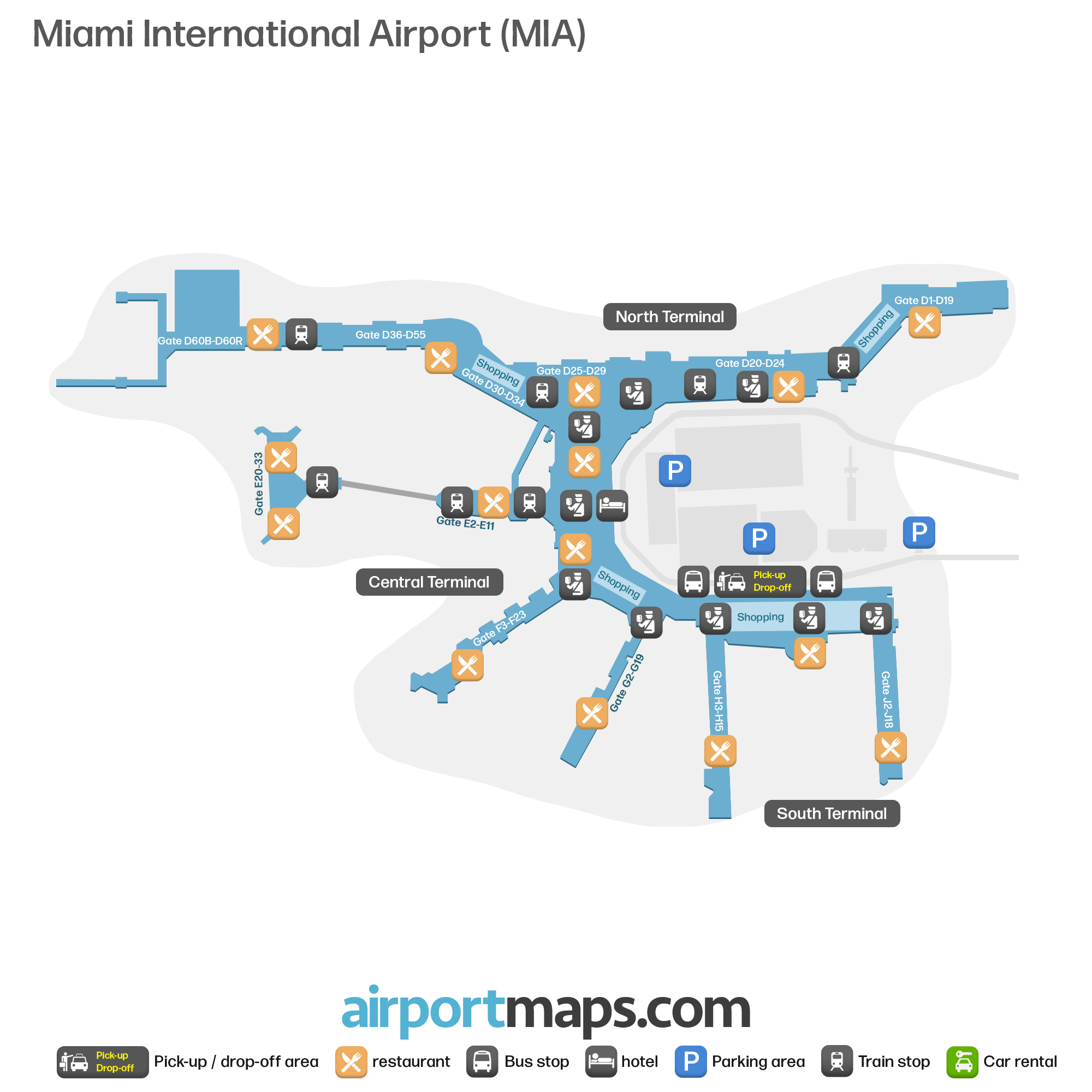
As the number of passengers grows, the airport has undergone extensive modernization. This includes the expansion of the “MIA Mover” system, which connects the airport to the Miami Intermodal Center, allowing for seamless transit to trains like the Brightline service that connects regional hubs. Furthermore, the renovation of concourses has been essential in managing the passenger experience, reducing bottlenecking in high-traffic areas during peak international arrival times.
Customs and Security Efficiency
With such a heavy volume of international traffic, U.S. Customs and Border Protection operations are the heartbeat of the airport’s efficiency. The implementation of automated passport control kiosks and biometric screening technology has been vital in processing these millions of travellers. Despite the scale, the airport aims to keep transit times competitive with other global gateway cities in Europe and Asia, recognizing that the speed of entry is a major factor in passenger satisfaction.
Future Projections and Sustainability
Looking forward, the trend suggests that the number of travellers will continue to climb. Infrastructure projects currently in the pipeline aim to increase the airport’s capacity to serve over 70 million passengers annually within the next decade.
Preparing for Continued Growth
Future expansion plans focus not just on physical space, but on the “smart airport” concept. By utilizing artificial intelligence to manage crowd flow and flight scheduling, the airport hopes to mitigate the potential friction of having more passengers in the same footprint. This foresight is critical, as regional tourism in North America shows no signs of slowing down.

Environmental Considerations
With such a massive footprint, there is a mounting pressure to ensure that the transit of these millions of people is managed sustainably. The airport is actively investing in greener ground operations and energy-efficient building standards. As Miami faces the unique environmental challenges of the Atlantic Ocean coastline, the airport’s commitment to resilience and reduced carbon emissions is becoming as important as its ability to move people from one destination to another.
In summary, the story of how many travellers pass through Miami International Airport is a story of global interconnectedness. It is a bustling, dynamic ecosystem that thrives on the movement of people, whether they are visiting the art galleries of the Design District, attending conventions at the Miami Beach Convention Center, or transiting to further destinations in Europe. As the world becomes more connected, this aviation hub will continue to serve as the critical nexus for millions of travellers, maintaining its position as one of the busiest and most essential gateways on the planet.
LifeOutOfTheBox is a participant in the Amazon Services LLC Associates Program, an affiliate advertising program designed to provide a means for sites to earn advertising fees by advertising and linking to Amazon.com. Amazon, the Amazon logo, AmazonSupply, and the AmazonSupply logo are trademarks of Amazon.com, Inc. or its affiliates. As an Amazon Associate we earn affiliate commissions from qualifying purchases.