
When travelers envision a getaway to the vibrant shores of Miami, they often conjure images of turquoise waters, Art Deco architecture, and a nightlife scene that never sleeps. However, as with any major metropolitan area in the United States, the question of safety is a primary concern for prospective visitors. Understanding the nuances of the city—where to go, when to go, and how to navigate the urban landscape—is the key to ensuring a relaxing and worry-free experience in the Sunshine State.
Understanding the Geography of Safety
Miami is a city of distinct neighborhoods, each offering a vastly different atmosphere. Safety, therefore, is highly contextual and depends largely on which district you choose to explore.
The Tourist-Centric Zones
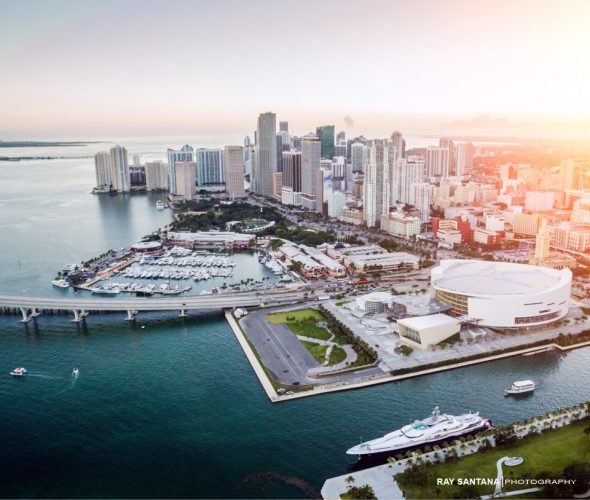
Areas like South Beach and Brickell are generally considered the safest hubs for tourists. These districts benefit from high levels of foot traffic, a heavy police presence, and constant activity, which acts as a deterrent for opportunistic crime. In South Beach, particularly along Ocean Drive, the environment is densely populated with travelers and locals alike. While these areas are well-lit and monitored, the standard rules of urban travel apply: maintain awareness of your surroundings and keep your belongings secure.
Areas Requiring Heightened Awareness
Conversely, some areas situated further inland or away from the primary tourist corridors—such as parts of Liberty City or Overtown—are known to have higher crime rates. Most visitors never inadvertently end up in these neighborhoods, as they are not located near the popular beaches or luxury shopping districts. The most important tip for safety in Miami is to remain within the well-traveled, mapped routes that define the tourist experience.
Navigating Nightlife and Public Spaces
The nocturnal energy of this Florida city is legendary, but it also necessitates a strategic approach to personal safety. Whether you are hitting a high-end club in Downtown Miami or enjoying a late-night stroll along the Miami Beach boardwalk, there are best practices to follow.
Staying Vigilant in Crowds
Nightlife hubs often attract large crowds, which can unfortunately invite petty theft, such as pickpocketing. When frequenting bars or clubs, keep your personal items close. Never leave a drink unattended, and ensure that your transportation home is planned in advance. Utilizing reputable ride-sharing services or organized hotel transport is significantly safer than walking through unfamiliar, darkened side streets in the late hours.
The Importance of Group Travel
There is safety in numbers. If you are exploring the vibrant murals of Wynwood Walls or attending a late-night festival, navigating these spaces with friends is always recommended. Not only does it enhance the social aspect of your Florida adventure, but it also minimizes the risk of becoming a target for harassment or theft.

Essential Safety Tips for Your Miami Visit
Preparation is the best antidote to anxiety. By incorporating a few tactical habits into your trip, you can focus on the beauty of Biscayne Bay rather than your personal security.
Protecting Your Valuables
Luxury and wealth are highly visible in Miami. While the city is accustomed to opulence, it is wise not to flaunt expensive jewelry or large amounts of cash. When spending a day at Crandon Park or visiting Vizcaya Museum and Gardens, use a hotel safe to store passports and secondary credit cards. Keep your day-to-day items in a secure cross-body bag rather than a loose backpack.
Transportation Wisdom
Navigating Miami often requires a vehicle. If you choose to rent a car, ensure that your GPS is reliable and your route is pre-planned. Avoid leaving any valuables in sight within your vehicle—this is a universal rule for any major city. If you are utilizing public transit, such as the Metromover, try to travel during daylight hours or during periods when the trains are well-populated.
Environmental Safety
Beyond crime, safety in Miami also involves respecting the natural environment. The sun in South Florida is intense. Dehydration and heat exhaustion are common, yet avoidable, safety concerns. Furthermore, when swimming at Haulover Beach or any other public shoreline, always pay attention to flag warnings regarding rip currents. The Atlantic Ocean is beautiful but demands respect, especially for those not accustomed to strong coastal currents.
When to Seek Help
If you find yourself in a situation that feels unsafe, do not hesitate to contact local authorities. Miami is home to a robust Miami-Dade Police Department that is well-accustomed to managing tourist-heavy areas. In many popular zones, you will see officers on bicycles or foot patrol; these individuals are a great resource if you have questions or concerns about your current location.
Trusting Your Intuition
Ultimately, your internal compass is your best tool. If an environment feels uncomfortable, poorly lit, or chaotic, remove yourself from the situation. Miami offers a wealth of incredible experiences, from the sophisticated dining in Coconut Grove to the cultural richness of Little Havana. By staying in the loop of these popular areas and maintaining a professional level of situational awareness, you are likely to have a seamless visit.

Conclusion: A Safe Haven for Travelers
Is Miami safe? The answer is a qualified yes. Like any major global destination, it has its challenges, but it also has a dedicated infrastructure designed to support the millions of tourists who visit every year. By choosing your accommodation in well-regarded areas, avoiding high-risk neighborhoods, keeping your valuables secure, and remaining aware of your surroundings, you can enjoy all that this incredible city has to offer. Whether you are there for the architecture of the Art Deco District or the serene waters of Key Biscayne, Miami remains one of the most exciting and rewarding travel destinations in the United States. With the right preparation, your biggest concern will simply be choosing which beach to visit next.
LifeOutOfTheBox is a participant in the Amazon Services LLC Associates Program, an affiliate advertising program designed to provide a means for sites to earn advertising fees by advertising and linking to Amazon.com. Amazon, the Amazon logo, AmazonSupply, and the AmazonSupply logo are trademarks of Amazon.com, Inc. or its affiliates. As an Amazon Associate we earn affiliate commissions from qualifying purchases.