
When a powerful storm system gathers strength in the warm waters of the Gulf of Mexico, travelers and locals alike turn their eyes toward the forecast. For those with upcoming plans to visit South Florida, the question of whether Miami sits in the direct line of a major weather event like Hurricane Milton is paramount. Understanding the geography of the peninsula and the behavior of tropical cyclones is essential for anyone navigating the vibrant travel landscape of the Sunshine State.
Geographic Positioning and Storm Trajectories
The city of Miami occupies a unique position on the southeastern tip of the United States. Unlike the Gulf Coast of Florida, which is highly susceptible to systems tracking from the west, the Atlantic coast of Florida faces different meteorological pressures.

The Dynamics of Gulf-Origin Storms
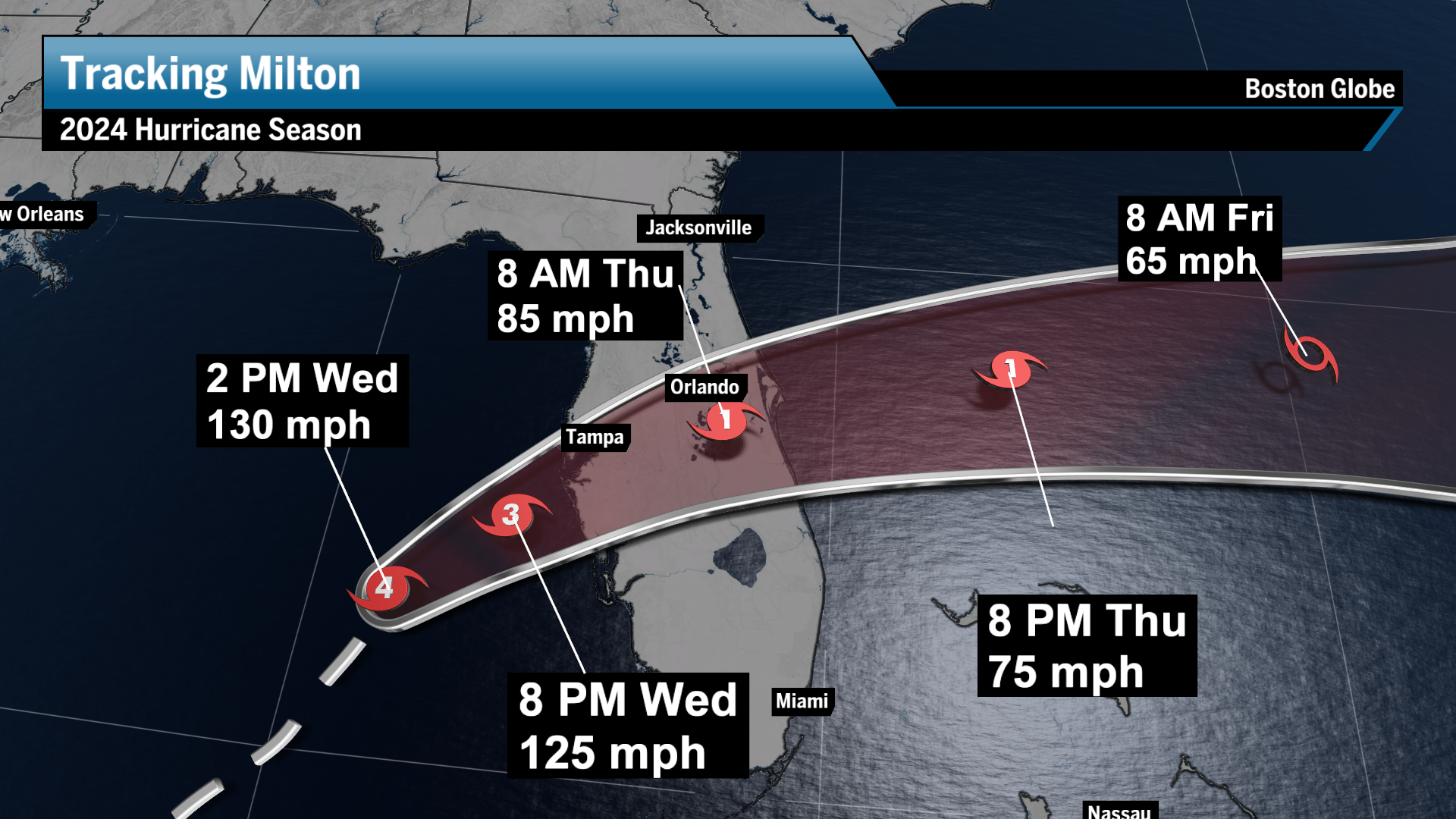
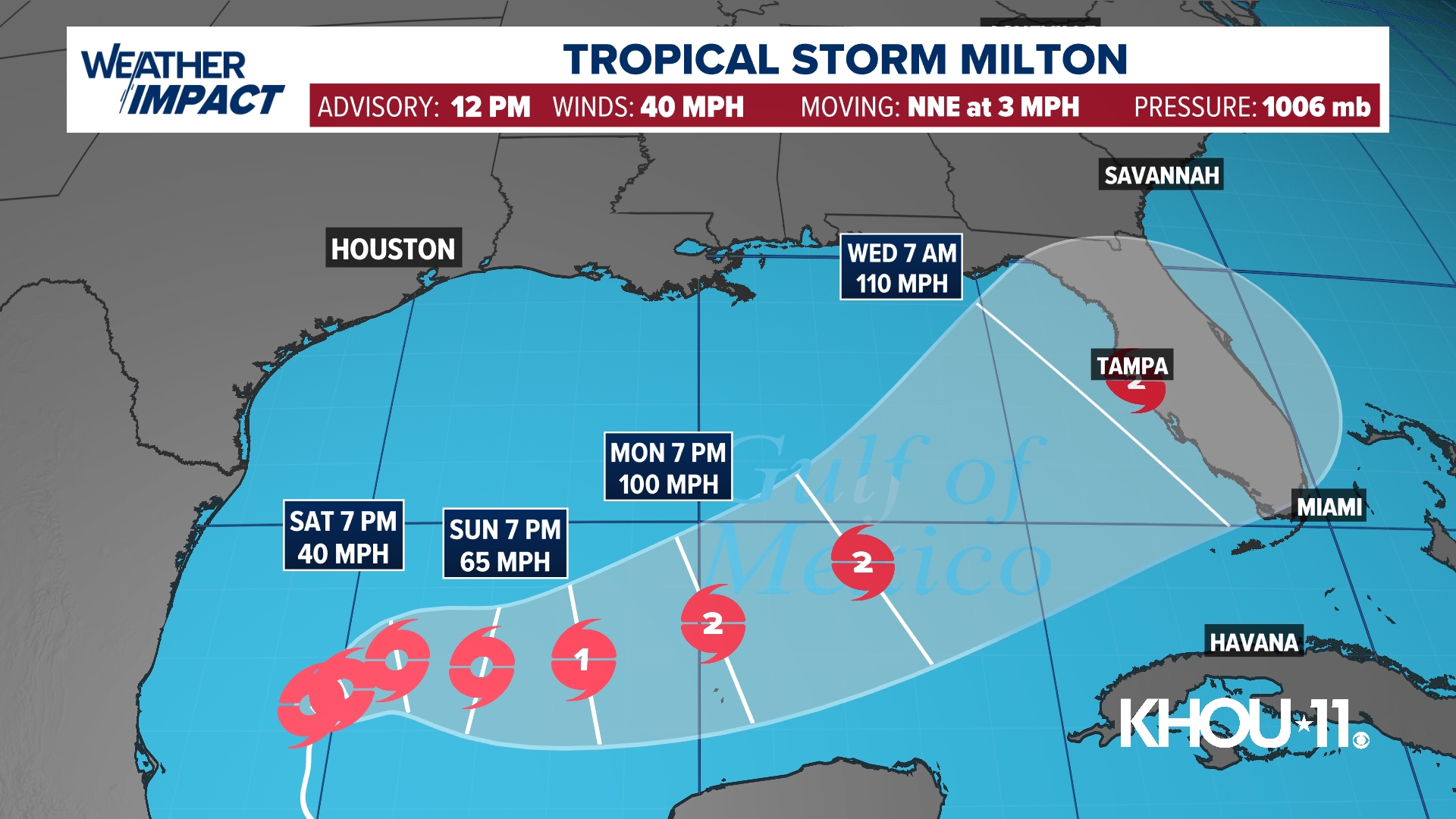
Hurricane Milton is primarily characterized as a Gulf of Mexico system. When storms develop in this region, they often aim for the Florida Panhandle or the central west coast near Tampa. Because the Florida Peninsula is relatively narrow, even a storm centered on the Gulf Coast can produce significant outer bands that stretch across the state. However, the intensity typically degrades as the system interacts with the landmass, meaning Miami often experiences tropical storm-force winds rather than the catastrophic core intensity seen at landfall sites.
Why Miami Often Remains on the Periphery
The atmospheric steering currents—such as high-pressure ridges or troughs—usually guide storms across the Florida Straits or pull them north toward the Carolinas. For Miami, a direct hit from a system like Hurricane Milton is statistically less frequent than for cities like Fort Myers or Sarasota. This geographic buffer allows the region to remain a primary hub for international arrivals, even when western Florida is preparing for landfall.
Travel Implications for the Region
For those planning to visit Miami Beach or Downtown Miami, the presence of a storm in the Gulf of Mexico does not necessarily signal a complete vacation shutdown. However, travelers must remain vigilant regarding regional travel infrastructure.
Impacts on Transportation Hubs
The Miami International Airport serves as a critical gateway for the Caribbean and Latin America. While a storm might not strike Miami directly, it can trigger widespread ground stops due to turbulence or staffing shortages. Furthermore, cruise lines operating out of PortMiami frequently adjust their itineraries if a major hurricane is moving through the Straits of Florida. Travelers should expect delays or cancellations of shore excursions if the path of Hurricane Milton forces ships to steer clear of the Florida Keys.
Hotel Operations and Guest Safety
Luxury hotels along Brickell Avenue and South Beach maintain robust hurricane protocols. Most properties are built to withstand high-velocity winds, often featuring impact-resistant glass and back-up power generators. If you are staying at a resort during a storm threat, management typically provides daily briefings. Should a hurricane warning be issued for Miami-Dade County, hotels may assist in early evacuations or shelter-in-place arrangements for guests who cannot change their flights.
What Travelers Should Do During Storm Season
If you find yourself in the path—or even near the path—of a storm, proactive planning is the difference between a minor disruption and a ruined trip.
Monitor Official Meteorological Sources
While Miami is currently not in the immediate bullseye of Hurricane Milton, weather patterns are notoriously fickle. Travelers should monitor the National Hurricane Center for real-time updates. Relying on local South Florida news outlets can also provide specific localized alerts regarding flooding in Coral Gables or Coconut Grove.
Essential Pre-Trip Checklist
- Travel Insurance: Ensure your policy includes trip cancellation or interruption coverage due to severe weather.
- Flexible Bookings: When reserving your stay at places like the Fontainebleau Miami Beach or other regional resorts, prioritize refundable rates.
- Emergency Documents: Keep a digital copy of your passport, flight tickets, and hotel reservations in a secure cloud folder.
- Communication: Confirm that your hotel has a dedicated channel for guest emergency communication.
The Resilience of the Sunshine State
Florida is accustomed to the seasonal rhythm of tropical weather. The infrastructure in Miami has evolved significantly over the last several decades to accommodate these risks. Public spaces, such as Bayfront Park and the Miami Design District, are designed with advanced drainage systems to manage heavy rainfall.
When a storm like Hurricane Milton makes headlines, the media often highlights the worst-case scenario. For a traveler, this often leads to unnecessary panic. The reality is that for Miami, most storms originating in the Gulf of Mexico result in several days of overcast skies, increased rain, and temporary beach closures rather than a direct, devastating impact.
By maintaining a calm demeanor and staying informed, you can enjoy the Atlantic coastline even during the peak of hurricane season. Should your travel plans be directly impacted, remember that the priority is always safety. Whether you choose to reschedule your trip to the Art Deco District for a later date or decide to ride out a minor storm in the comfort of your hotel, Miami remains one of the most resilient and vibrant destinations in the United States, always ready to welcome visitors back once the skies clear and the tropical sun returns.
LifeOutOfTheBox is a participant in the Amazon Services LLC Associates Program, an affiliate advertising program designed to provide a means for sites to earn advertising fees by advertising and linking to Amazon.com. Amazon, the Amazon logo, AmazonSupply, and the AmazonSupply logo are trademarks of Amazon.com, Inc. or its affiliates. As an Amazon Associate we earn affiliate commissions from qualifying purchases.