
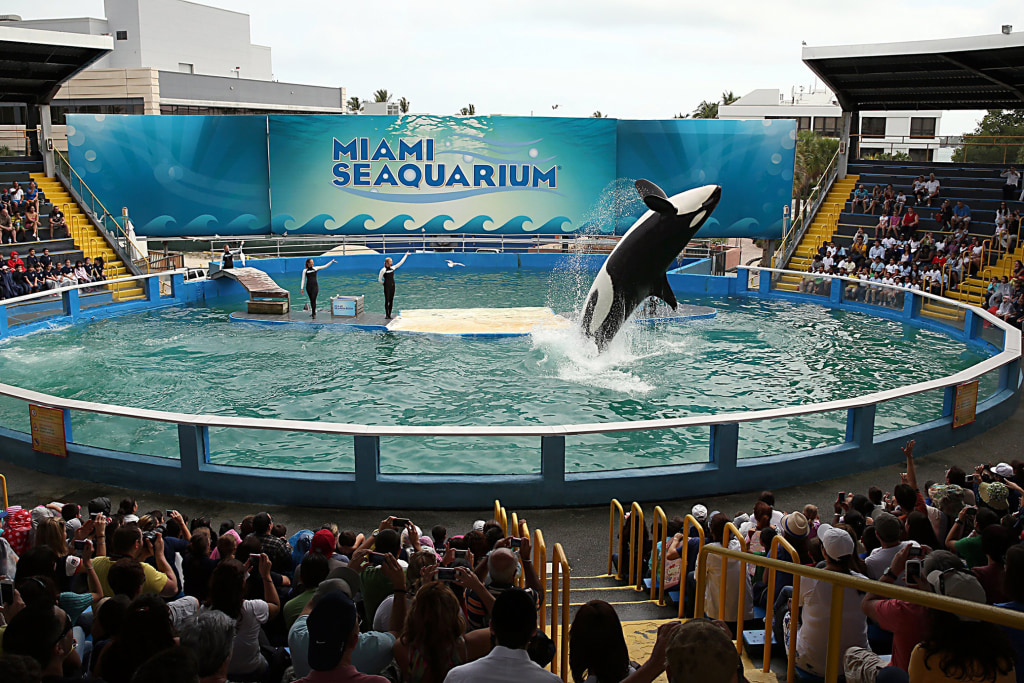
The status of the Miami Seaquarium has been a subject of intense speculation and public interest over the past few years. Situated on Virginia Key in Miami, this facility has served as a fixture of the Florida tourism landscape since it first opened its doors in 1955. As visitors plan their itineraries for the United States, understanding the current operational status of such historic attractions is essential for managing expectations and travel logistics.
The Current Operational Status and Recent Developments
For those wondering if the park is currently open, the answer is nuanced. While the Miami Seaquarium has faced significant regulatory scrutiny, lease disputes with Miami-Dade County, and public pressure regarding animal welfare, it remains a site of ongoing transition. The park has navigated a series of public challenges that have led to changes in management, operational scope, and future outlook.
Lease Controversies and Government Intervention
The relationship between the attraction and local government authorities has shifted dramatically. In early 2024, Miami-Dade County officials initiated proceedings to terminate the lease held by the operator. These legal and administrative hurdles stemmed from concerns voiced by the United States Department of Agriculture regarding the condition of the facility and the standard of care for the resident animals. Because of these developments, the future of the park remains uncertain, and potential visitors should verify the latest announcements from official county channels before making travel arrangements.
Impact of Public Perception on Tourism
The Miami tourism sector is vast, and the Miami Seaquarium has long been a part of the city’s identity. However, modern travelers are increasingly conscious of ethical tourism. The recent controversy surrounding the facility has prompted many to reconsider their visit, favoring other nature-focused experiences in South Florida that prioritize conservation and animal rehabilitation over traditional marine shows.
Alternative Attractions in Miami and Beyond
If you are planning a trip to Florida and are looking for wildlife and nature experiences that align with modern standards of marine biology and education, there are several noteworthy alternatives. The Sunshine State offers a wealth of opportunities to interact with the environment in ways that support animal welfare.
Educational Marine Centers and Sanctuaries
Rather than traditional theme parks, many travelers are turning to facilities like the Marine Mammal Conservancy or exploring the natural beauty of the Biscayne National Park. These locations provide a different kind of experience—one focused on observation in natural habitats rather than theatrical performance. When visiting Miami, prioritizing these locations can offer a more fulfilling and ethical engagement with marine life.

Exploring the Everglades
A short drive from the city center lies the Everglades National Park. This UNESCO World Heritage site is an essential destination for nature lovers. Airboat tours and guided walking trails offer a window into one of the most unique ecosystems in the world. For those interested in the biodiversity of North America, the Everglades provide an immersive experience that no man-made aquarium can replicate.
Planning Your Florida Itinerary
When organizing your visit, it is helpful to look at the broader context of Florida tourism. Whether you are coming from Europe, South America, or elsewhere in the United States, the state offers a wide array of attractions that cater to diverse interests, from the high-energy atmosphere of South Beach to the tranquil reaches of the Florida Keys.
Staying Informed on Local Attraction Status
The status of any large-scale tourist attraction can change due to maintenance, ownership changes, or environmental factors. It is a best practice to:
- Check Official Websites: Always consult the park’s primary digital portal for the most up-to-date operating hours and ticket availability.
- Monitor Local News: Outlets covering Miami-Dade County frequently report on the administrative status of major local landmarks.
- Seek Traveler Reviews: Platforms that allow for recent visitor feedback can provide insight into the current state of a facility beyond what is advertised in promotional materials.
The Evolution of Wildlife Tourism
The discourse surrounding the Miami Seaquarium represents a global shift in how society interacts with animals. We are moving away from the era of static displays toward interactive, educational, and conservation-led tourism. As you curate your Miami adventure, consider the legacy you want to support with your tourism dollars. Supporting eco-tourism initiatives and state-protected lands ensures that the natural beauty of Florida remains preserved for future generations.
Navigating the Future of Miami Landmarks
While the Miami Seaquarium remains a name recognized by millions, its physical presence on Virginia Key is currently in a state of flux. Whether the site undergoes a massive renovation, transitions into a new type of educational center, or closes permanently, the land itself holds significant value for the Miami community.
Why History Matters in Travel
Landmarks act as cornerstones of our travel experiences. When we visit cities, we are often drawn to the sites that defined their growth. The story of the Miami Seaquarium is inextricably linked to the post-war growth of Florida as a primary vacation destination. Recognizing this history is important, even as we acknowledge that our standards for animal welfare and facility management have evolved significantly since the 1950s.

Final Thoughts for the Discerning Traveler
If your goal is to support responsible tourism while visiting the United States, always balance the allure of famous historical attractions with contemporary standards of care. The Miami area has much to offer beyond its traditional tourist traps. From the Art Deco District in South Beach to the lush landscapes of the Fairchild Tropical Botanic Garden, your time is best spent engaging with experiences that enrich your understanding of the local culture and environment.
Regardless of whether the Miami Seaquarium continues to operate in its current capacity or rebrands entirely, the city of Miami remains a vibrant hub for culture, history, and natural beauty. By staying informed and making conscious choices, you ensure that your travels not only provide lasting memories but also contribute positively to the places you explore. Always verify the status of your destination before embarking, and keep an open mind for the many wonders that South Florida holds.
LifeOutOfTheBox is a participant in the Amazon Services LLC Associates Program, an affiliate advertising program designed to provide a means for sites to earn advertising fees by advertising and linking to Amazon.com. Amazon, the Amazon logo, AmazonSupply, and the AmazonSupply logo are trademarks of Amazon.com, Inc. or its affiliates. As an Amazon Associate we earn affiliate commissions from qualifying purchases.