
Planning a trip to the vibrant city of Miami, Florida, requires more than just picking a hotel or mapping out your beach days; it starts with understanding the complex regional aviation infrastructure. Choosing the right gateway to the “Magic City” can significantly impact the ease of your transition from the tarmac to the sun-drenched streets of South Beach or the cultural hubs of Little Havana. While most travelers naturally gravitate toward the city’s primary international hub, the broader metropolitan area offers several strategic options depending on your final destination, carrier preferences, and transit budget.
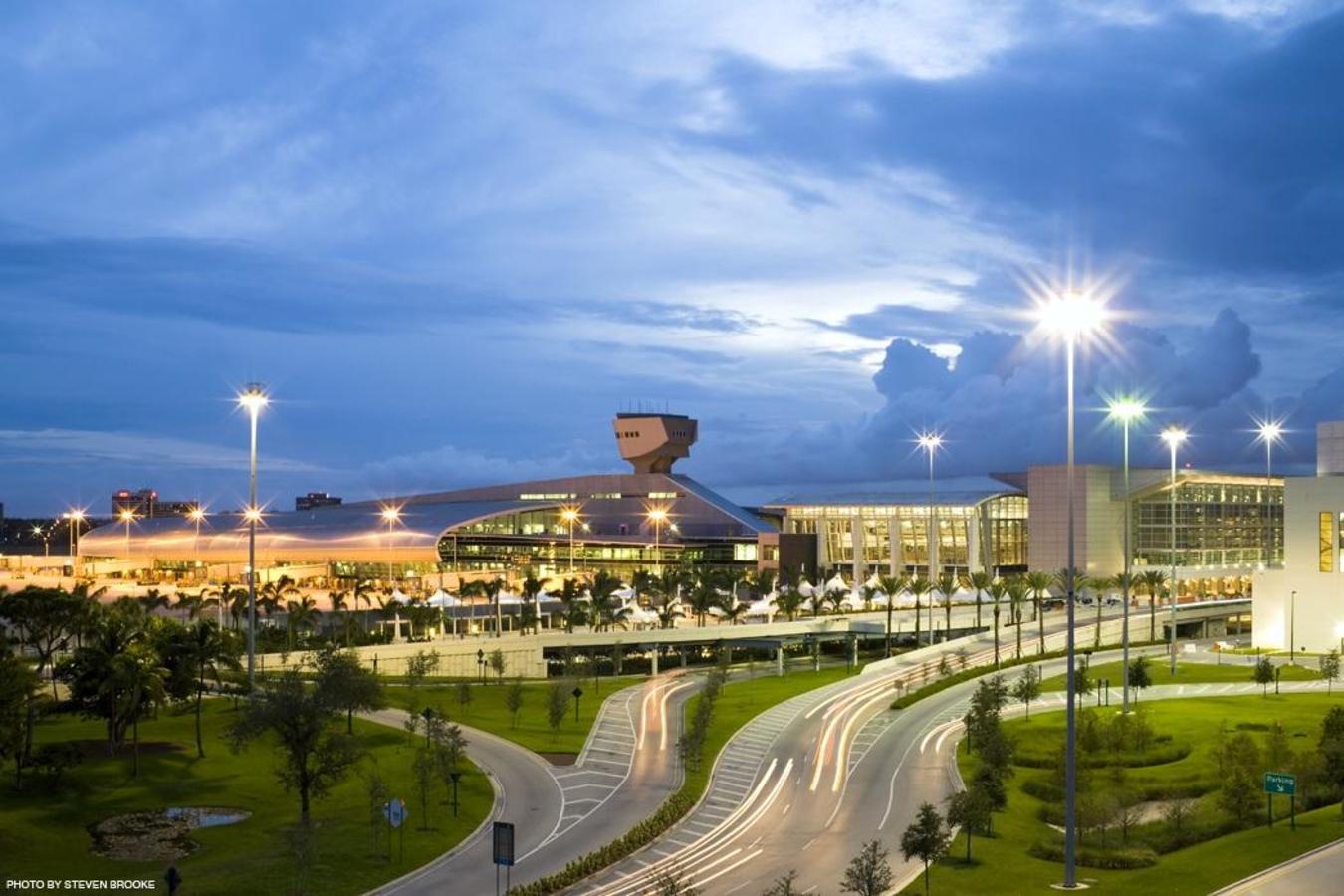
Miami International Airport: The Primary Gateway
For the vast majority of international and domestic travelers, Miami International Airport (MIA) is the definitive answer. Located just a few miles northwest of downtown, this sprawling aviation facility serves as the premier hub for Latin America and the Caribbean. Its proximity to major business districts and tourist centers makes it the most convenient choice for those visiting Brickell or Downtown Miami.
Accessibility and Ground Transportation
The airport’s integration with the local transit system is one of its greatest assets. Upon landing, passengers can utilize the MIA Mover, a free, automated people-mover system that connects the terminal to the Miami Airport Station. From this central hub, you can easily connect to the Metrorail, which provides efficient transit to major points of interest, including Coconut Grove and the University of Miami. For those who prefer a more direct route to their accommodation, ride-sharing services and taxis are abundant, though travelers should account for the city’s notoriously dense traffic patterns during peak hours.
Terminal Experience and Amenities
Navigating this facility is an experience in itself. As one of the busiest airports in the United States, it features an extensive array of dining and retail options that reflect the local culture. Travelers often find themselves grabbing a quick cafecito or Cuban sandwich before heading out to enjoy the Art Deco Historic District. Because the layout is expansive, it is advisable to arrive early for departures, particularly during holiday seasons when the volume of international travelers reaches its peak.
Fort Lauderdale-Hollywood International Airport: A Strategic Alternative
Many seasoned travelers opt for Fort Lauderdale-Hollywood International Airport (FLL) as an alternative to the busier hub in Miami. Located roughly 30 miles north, this airport is frequently utilized by those looking for more competitive pricing, particularly among low-cost carriers. While the extra distance requires a bit more planning, the airport’s smaller, more manageable footprint often leads to a less stressful arrival and departure process.

The Transit Route to Miami
Connecting from the north is relatively straightforward. The Brightline high-speed rail service has transformed regional travel, allowing passengers to move between Fort Lauderdale and central Miami in comfort. Alternatively, the Tri-Rail commuter train provides a budget-friendly option for those who have more time and want to see more of the Southeast Florida landscape. Driving from the airport to the city via Interstate 95 is a standard route, though, as with all major arteries in the region, travel times can fluctuate significantly depending on the time of day.
Why Choose FLL?
Beyond the potential for lower airfare, FLL is often favored by families and cruise ship passengers. Its proximity to Port Everglades makes it a seamless transition point for those starting their vacations at sea. If your itinerary involves spending a few days exploring the museums of Las Olas Boulevard before heading south, choosing this airport becomes a logical and efficient decision.
Specialized Options: Opa-Locka and Executive Aviation
For those visiting South Florida via private aviation, the region offers highly specialized facilities that bypass the congestion of commercial hubs. Miami-Opa Locka Executive Airport (OPF) is a preferred destination for business travelers and private jet owners. Located strategically between Miami and Fort Lauderdale, it provides rapid access to the private residences of Coral Gables and the high-end retail districts of Bal Harbour.
Efficiency for the Discerning Traveler
Using executive-class airports removes the typical friction of security checkpoints and baggage claims. The services provided at these locations are highly personalized, catering to individuals who prioritize time management and privacy. Whether you are traveling for a corporate retreat at a resort in Key Biscayne or attending an exclusive event, the specialized infrastructure ensures that your entry into the area is as smooth as possible.
Factors to Consider When Selecting Your Airport
When deciding which airport to fly into, consider the nature of your trip and the logistics of your ground transport. If you are staying in the northern part of the county, the choice becomes a balance between flight frequency and the potential for traffic-related delays on the highway. Conversely, if your primary destination is the Wynwood Walls or the Design District, the convenience of the main airport is hard to beat.
The Impact of Traffic
Local traffic in Miami-Dade County is a significant factor to keep in mind. If you land during the morning or evening rush, the commute from an airport can take substantially longer than the mileage would suggest. Always check real-time GPS data before finalizing your ground transportation plans. Many visitors find that booking a hotel with shuttle service or utilizing the expanded public transit networks can mitigate the frustrations of local road congestion.

Final Recommendations
Ultimately, the “best” airport depends on your specific priorities. For the sheer volume of flight options and direct international connectivity, Miami International Airport remains the industry leader. For those who prioritize cost-efficiency, cruise connectivity, or simply a smaller terminal environment, the Fort Lauderdale-Hollywood International Airport is an excellent, reliable secondary choice. By aligning your aviation arrival point with your broader travel goals—whether that is a luxury stay in Palm Beach or a cultural exploration of Little Haiti—you set the stage for a seamless and memorable Florida experience. Ensure your travel plans account for the specific needs of your itinerary, and you will find that arriving in this region is the first step in a spectacular journey.
LifeOutOfTheBox is a participant in the Amazon Services LLC Associates Program, an affiliate advertising program designed to provide a means for sites to earn advertising fees by advertising and linking to Amazon.com. Amazon, the Amazon logo, AmazonSupply, and the AmazonSupply logo are trademarks of Amazon.com, Inc. or its affiliates. As an Amazon Associate we earn affiliate commissions from qualifying purchases.