
Planning a trip to Miami, Florida, involves more than just scouting the best beaches or booking a room at a luxury resort. Whether you are a business traveler, a digital nomad planning a long-term stay, or a visitor curious about the local economy, understanding the fiscal landscape is an essential part of the travel experience. As a global hub for tourism and commerce, the cost of labor in the United States significantly influences the service standards, dining costs, and overall accessibility of local amenities.
Understanding Florida’s Minimum Wage Trajectory
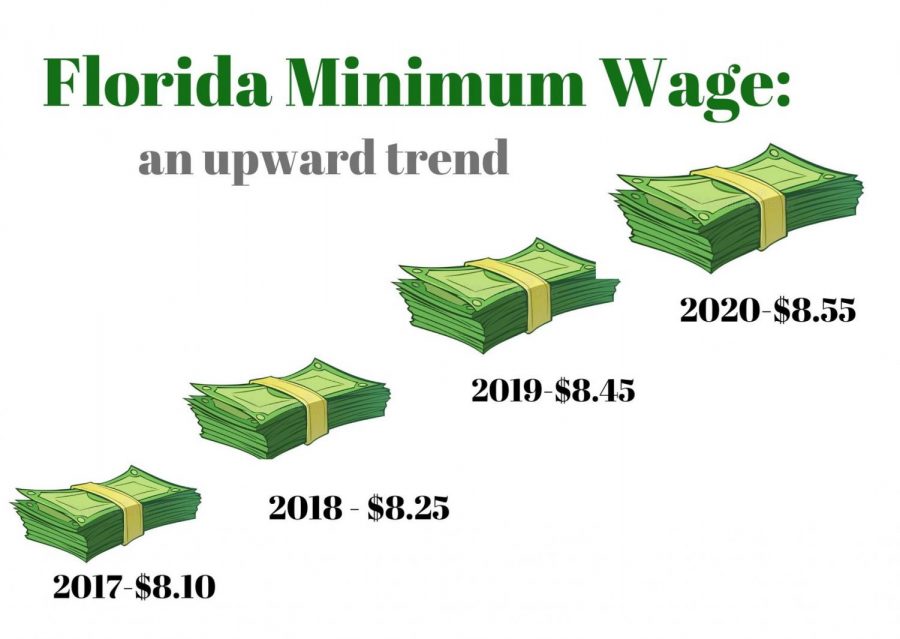
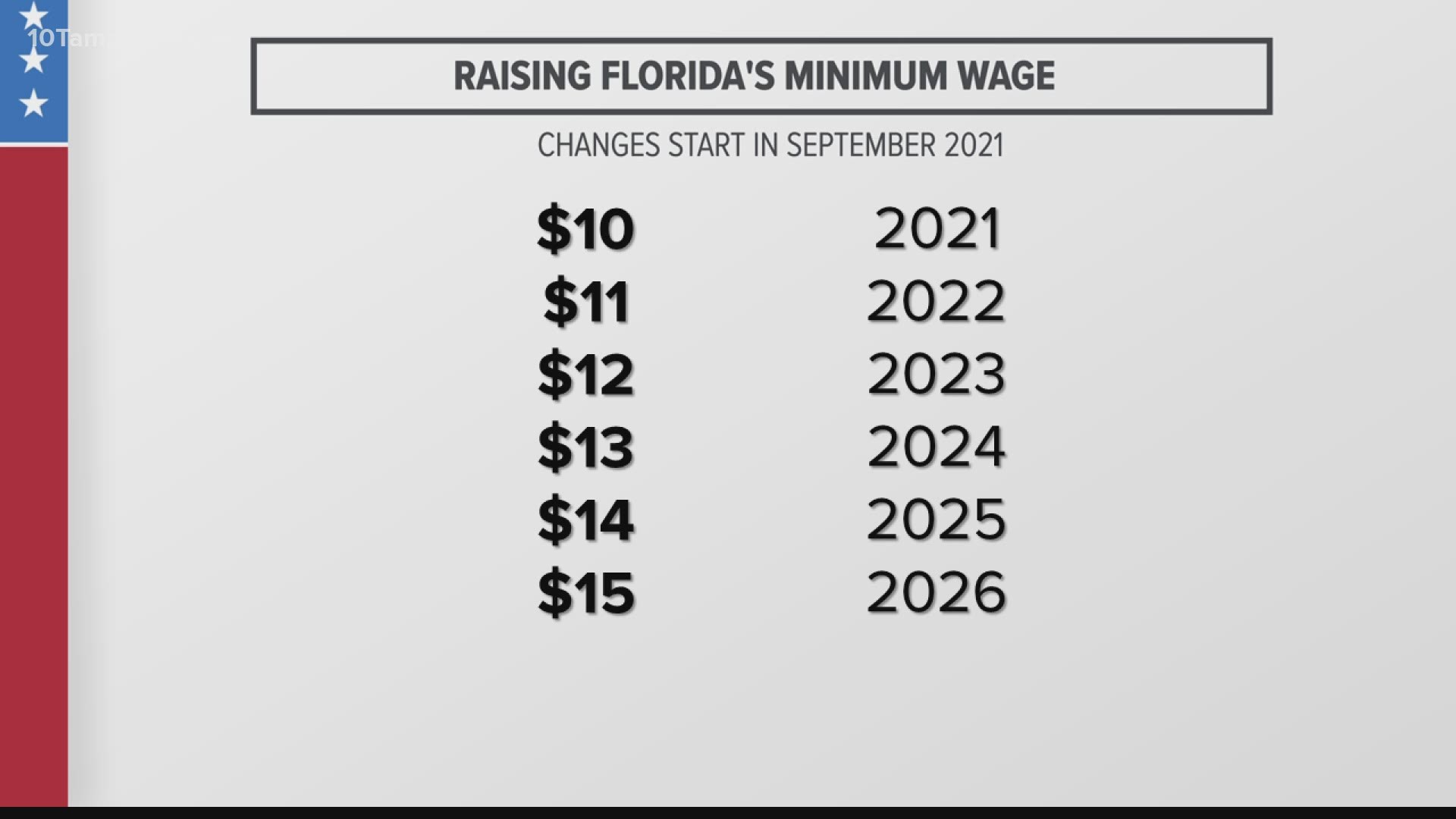
For travelers and expatriates alike, it is important to understand that the minimum wage in Miami is not determined by the city itself, but rather by Florida state legislation. In recent years, the state has embarked on a systematic, multi-year increase to its minimum wage, moving toward a $15 per hour mandate.
The Path to $15
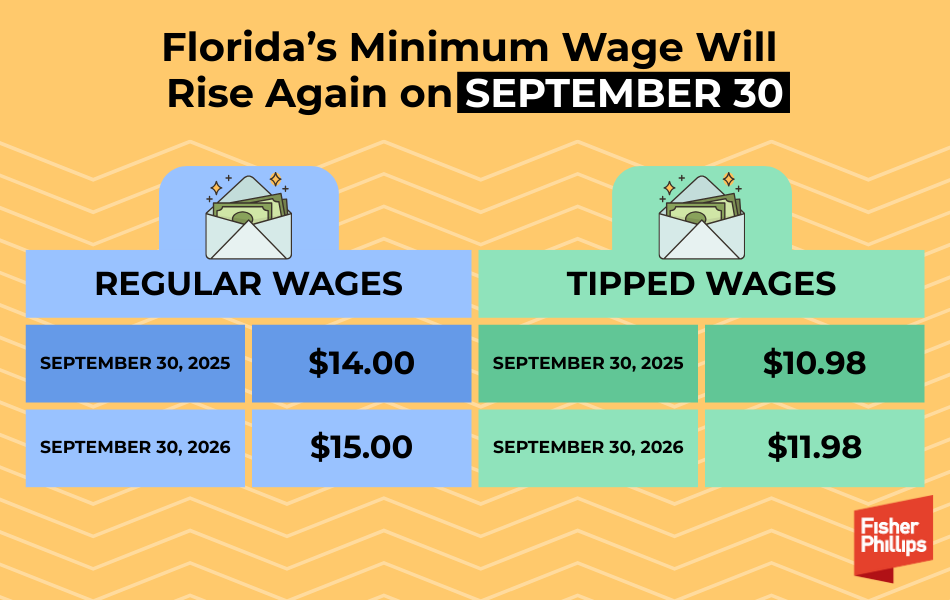
As of September 30, 2024, the minimum wage in Florida stands at $13.00 per hour. This reflects a legislative push initiated by voters in 2020 to ensure that the cost of labor keeps pace with the rising cost of living in major metropolitan areas. By September 30, 2025, this rate is scheduled to increase to $14.00, and it will finally reach $15.00 per hour by September 30, 2026. After 2026, the rate will be adjusted annually based on inflation.
Impact on Tipped Employees
If you are dining out at a restaurant in South Beach or enjoying a cocktail at a lounge in Brickell, it is helpful to understand how these wage laws affect tipped workers. Under Florida law, employers are permitted to take a “tip credit.” This means that for employees who regularly receive tips, the employer can pay a lower base hourly rate, provided that the tips received bring the total hourly earnings up to at least the state minimum wage. Currently, the maximum tip credit allowed is $3.02 per hour. This nuance is vital for visitors to understand, as it underscores the importance of tipping culture in Miami hospitality venues.
Economic Implications for Travelers and Long-Term Visitors
The cost of labor is a primary driver of the “tourist inflation” often felt by visitors. When businesses must pay higher wages, those costs are often passed down to the consumer through higher prices for meals, hotel services, and entry fees to local attractions.
Adjusting Your Travel Budget
For those visiting from regions with lower costs of living, the service prices in Miami can sometimes be a surprise. Whether you are staying at an Airbnb or a boutique property like the The Setai, labor costs are embedded in everything from housekeeping to valet services. As wages rise, visitors should anticipate incremental increases in the cost of hospitality services. Planning your budget with these structural economic changes in mind will help avoid financial stress during your stay.
Long-Term Stays and Business Relocation
If you are planning an extended stay or considering a move to Miami, understanding the local income landscape is even more critical. Because the cost of housing—particularly in neighborhoods like Wynwood or Coconut Grove—has increased significantly alongside wage adjustments, the standard of living remains a complex equation. Visitors staying for a month or longer often find that while the minimum wage is rising, the “living wage”—the amount required to cover basic necessities like rent, transport, and groceries—may be considerably higher in this competitive urban market.
How Labor Costs Shape the Visitor Experience
Miami is defined by its service-oriented economy. From the high-end boutiques on Lincoln Road to the boat tours operating out of Bayside Marketplace, the human element is what makes the city a world-class destination.
The Standard of Service
The rising minimum wage is intended to improve the lives of thousands of service workers who are the backbone of the local tourism industry. For visitors, this shift often translates to a more stable and professionalized workforce. When employees earn a more sustainable wage, businesses often see lower turnover rates, which in turn leads to more consistent, knowledgeable, and higher-quality service at hotels, restaurants, and tour companies across Miami-Dade County.
Supporting the Local Economy
Responsible tourism includes being aware of how your spending directly impacts the local community. When you tip appropriately—even when service charges are included—you are supporting the individuals whose work allows you to enjoy the vibrant culture of Little Havana or the pristine sands of Crandon Park. Recognizing that the minimum wage is a floor, not a ceiling, helps maintain the standard of excellence that keeps Miami at the forefront of global travel.
Tips for Navigating Costs
- Check Service Fees: Many restaurants in high-traffic areas like Ocean Drive automatically add a service charge to your bill. Always check your receipt before adding an additional gratuity.
- Budget for Service: When allocating funds for your trip, factor in a 18–22% gratuity for service-based interactions, as this is standard in Miami.
- Value Labor: Remember that the cost of your vacation supports the livelihood of the people who make your experience memorable, from hotel concierges to restaurant servers.
As Miami continues to evolve into a major global city, its economic policies will keep shifting to support its workforce. Whether you are coming to visit the Vizcaya Museum and Gardens or attending a conference at the Miami Beach Convention Center, having a clear understanding of the local economic framework ensures you are better prepared, more respectful of local practices, and able to enjoy a seamless, high-quality travel experience in this vibrant Florida paradise.
LifeOutOfTheBox is a participant in the Amazon Services LLC Associates Program, an affiliate advertising program designed to provide a means for sites to earn advertising fees by advertising and linking to Amazon.com. Amazon, the Amazon logo, AmazonSupply, and the AmazonSupply logo are trademarks of Amazon.com, Inc. or its affiliates. As an Amazon Associate we earn affiliate commissions from qualifying purchases.