
When planning a journey to Miami, the magic of the city is often found in its vibrant pace, from the sunrise over the Atlantic Ocean to the electric nightlife that defines the Florida experience. Whether you are coordinating travel logistics, scheduling a business meeting, or simply dreaming of your next getaway to this sun-drenched metropolis, understanding the local clock is the first step in synchronizing your trip with the rhythm of the city.
Navigating Eastern Standard Time and Daylight Saving
Miami operates on Eastern Time (ET). This is a crucial detail for travelers coming from the West Coast or international destinations, as the difference can significantly impact your arrival plans, restaurant reservations, and activity bookings.

Understanding the Clock
For most of the year, the region adheres to Eastern Standard Time (EST). However, during the warmer months, the area shifts to Eastern Daylight Time (EDT). This transition happens in the spring when clocks move forward an hour, and it reverses in the autumn. Keeping this in mind is essential for those connecting through Miami International Airport, as a missed flight due to a time zone miscalculation is a common, yet entirely avoidable, travel mishap.
Why Time Management Matters in the Sunshine State
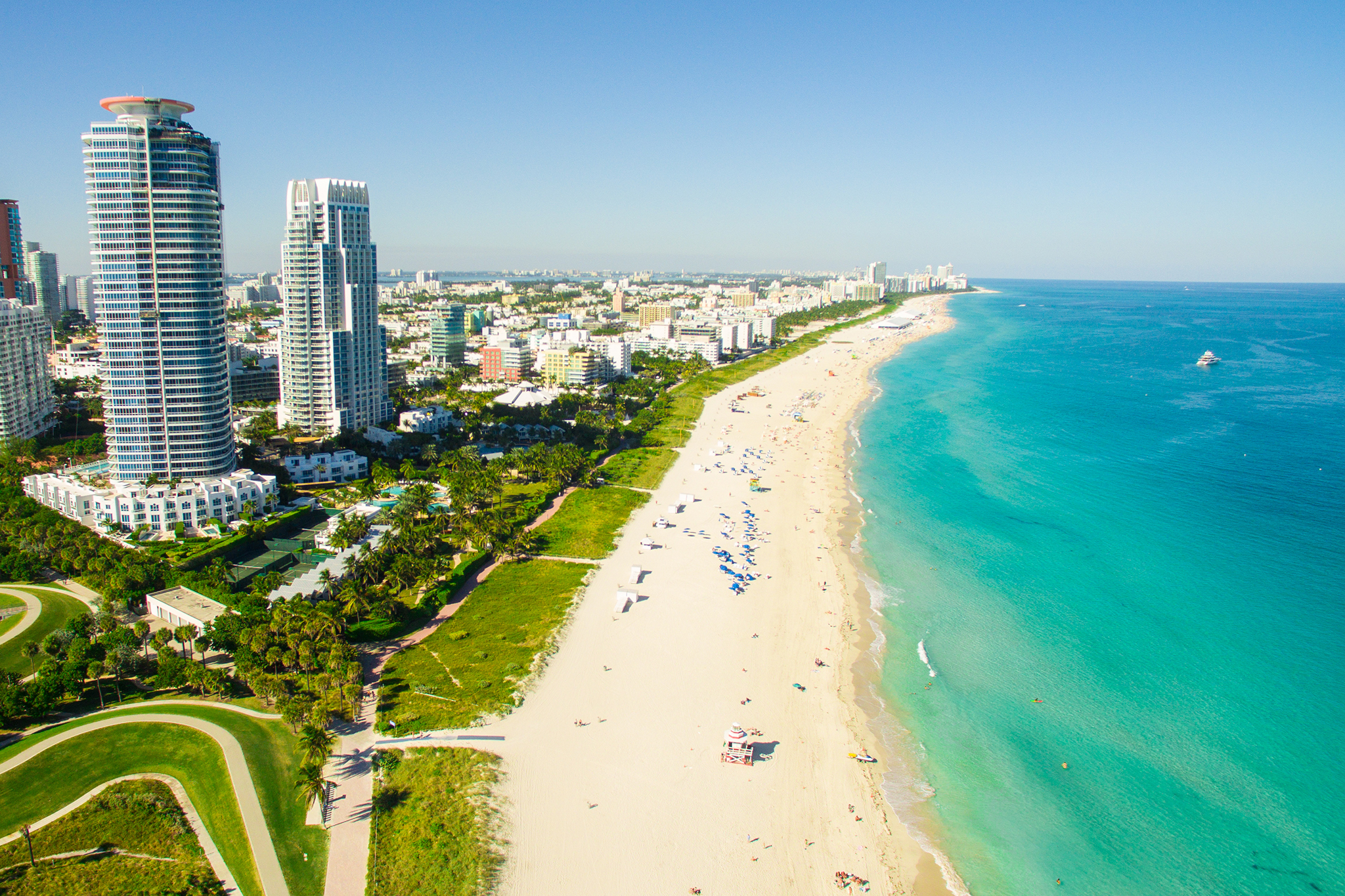
The clock in Florida governs more than just your alarm settings; it dictates the flow of local life. The morning hours are when you might catch a tranquil moment at South Beach, watching the joggers and surfers take advantage of the early light. By midday, the energy shifts toward Downtown Miami, where the business district and cultural hubs begin to pulse with activity. If you are trying to visit popular spots like Vizcaya Museum and Gardens, knowing the exact local time helps you arrive before the mid-afternoon crowds descend.
Optimal Timing for Local Attractions
To truly experience Miami, you must align your internal clock with the city’s unique schedule. Being aware of the time allows you to navigate the city’s vast layout—from the art-deco history of Ocean Drive to the colorful murals of Wynwood Walls—with ease.
Morning Exploration
If you are an early riser, the quiet hours before 9:00 AM are perfect for taking photographs without the clutter of tourists. Visit Little Havana as the local cafes begin to brew their signature Cuban coffee. By being on time, you avoid the sweltering heat of the afternoon, allowing for a more pleasant stroll through the historic streets.
The Peak of the Day
The afternoon is best reserved for indoor cultural institutions or shopping in Brickell. When the sun is at its highest, the air-conditioned galleries at the Perez Art Museum Miami provide a necessary reprieve. Monitoring the time ensures that you do not miss last-entry slots, which are strictly enforced at major landmarks.
Evening Transition
As the clock moves toward sunset, the city undergoes a transformation. This is the time to head toward Coconut Grove or find a rooftop lounge to watch the skyline light up. By keeping track of sunset times, which vary throughout the seasons, you can time your dining experiences to coincide with the golden hour, providing the perfect backdrop for a meal in Miami Beach.
Seasonal Considerations for Travelers
The time of year you visit Miami can influence how you perceive the passing of hours. The summer brings long, lingering twilights, while the winter months see the sun dip below the horizon earlier in the evening.
Summer Schedules
During the summer, the days seem to stretch endlessly. This is the high season for beachgoers and outdoor events. Because the heat can be intense, many locals prefer to shift their active hours to the late afternoon or early evening. If you are visiting during this time, consider that “dinner time” in local culture often trends later than in other parts of the United States. Making a reservation for 8:30 PM is common, and you will find the restaurants buzzing with energy long after the sun has set.
Winter and Spring Peak
In the winter, when tourists flock from colder climates to escape the frost, the city maintains a very specific tempo. Events such as Art Basel or major food festivals require visitors to be hyper-aware of time. Transportation between hubs like Design District and Midtown can be slower during these peak months, so planning your day with a buffer of an hour or two is highly recommended.
Synchronizing Your Logistics
Proper time-keeping is the backbone of a successful vacation. Whether you are coordinating a pickup from your hotel, such as the iconic Fontainebleau Miami Beach, or ensuring you make your boat tour at Bayside Marketplace, the local time should always be your North Star.
Tips for International Travelers
For those traveling from abroad, Miami acts as a major gateway to the Americas. Crossing multiple time zones can lead to fatigue, often referred to as jet lag. We suggest adjusting your internal clock before you land. If you arrive early, leave your luggage at your accommodation and head straight to a landmark like Lincoln Road. Walking in the sunshine is one of the most effective ways to reset your circadian rhythm to Eastern Time.
Managing Connectivity
Modern technology makes it easy to track the time, but do not rely solely on your phone’s automatic updates if you are crossing borders. Always double-check the local time against a reliable source when booking transport services or specialized tours. Most high-end resorts and hotels in Florida will have lobby clocks set to the precise local time; use these as your standard reference points throughout your stay.

The Value of “Island Time”
While precision is necessary for flights and reservations, do not forget to embrace the laid-back nature of the city. Once your itinerary is secure, allow yourself the freedom to deviate. Miami rewards those who take the time to enjoy a long lunch at a sidewalk cafe or spend an extra hour watching the tides change at Crandon Park. In a city that is always moving, the most important time is the time you spend savoring the unique atmosphere of this tropical paradise. By mastering the clock, you ensure that you are always in the right place at the right moment, ready to soak in everything the city has to offer.
LifeOutOfTheBox is a participant in the Amazon Services LLC Associates Program, an affiliate advertising program designed to provide a means for sites to earn advertising fees by advertising and linking to Amazon.com. Amazon, the Amazon logo, AmazonSupply, and the AmazonSupply logo are trademarks of Amazon.com, Inc. or its affiliates. As an Amazon Associate we earn affiliate commissions from qualifying purchases.