
Stepping into Little Havana, the vibrant heart of Miami, is akin to stepping through a portal into another country. Known globally as the epicenter of Cuban culture in the United States, this historic neighborhood pulses with a rhythm all its own. From the rhythmic clacking of dominoes in the park to the intoxicating aroma of freshly brewed café cubano wafting from local ventanitas, the sensory experience here is unparalleled. Whether you are a history buff, a culinary enthusiast, or simply someone looking to soak in the authentic spirit of Florida, this guide will navigate you through the quintessential experiences of this iconic district.

The Cultural Pulse of Calle Ocho
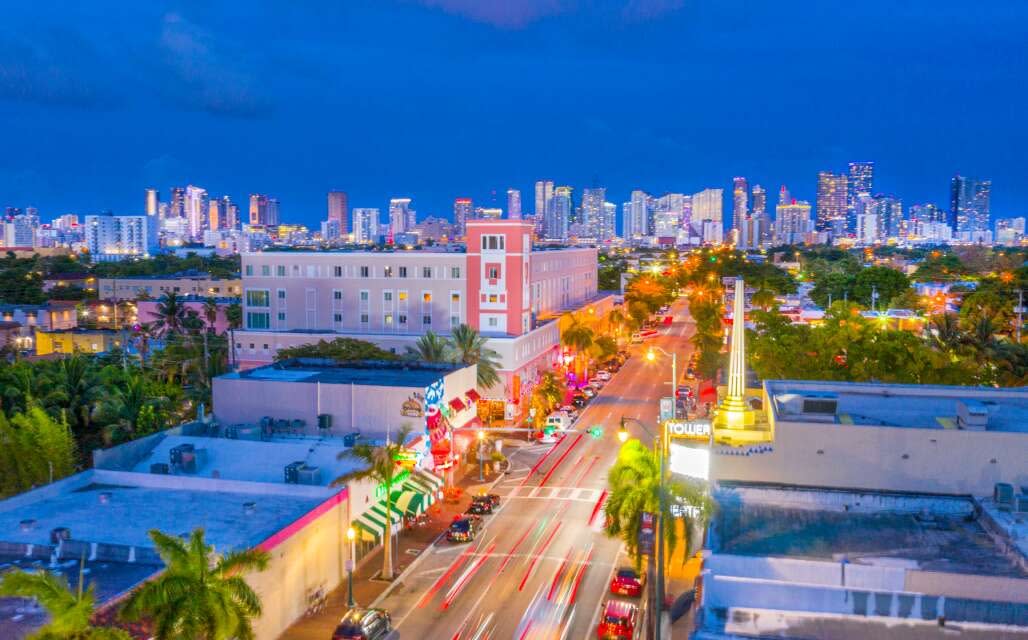
The lifeblood of the neighborhood is undoubtedly Calle Ocho, also known as Southwest 8th Street. This bustling thoroughfare serves as the cultural spine of the district, decorated with a tapestry of history, art, and music.
Maximo Gomez Park
No visit is complete without stopping by Maximo Gomez Park, affectionately known by locals as “Domino Park.” Since the early 1970s, this has been the unofficial town square where retired residents gather to play intense, high-stakes games of dominoes. Watching the concentration on the players’ faces while they engage in spirited debate is the best way to understand the tight-knit social fabric of the community. It is a living landmark that preserves the traditions of the Cuban diaspora.
The Calle Ocho Walk of Fame
As you stroll down the street, keep your eyes on the ground to discover the Calle Ocho Walk of Fame. Similar to the one in Hollywood, this stretch honors Latin American celebrities and musicians who have made significant contributions to the arts. Finding the brass stars embedded in the pink sidewalk provides a fantastic opportunity to brush up on your knowledge of influential cultural icons who shaped the sound and soul of Latin music.
A Culinary Journey Through Cuba
The culinary landscape of this neighborhood is a masterclass in tradition. Forget the fusion trends for a moment; here, the focus remains on authentic, time-tested recipes that define the Cuban kitchen.
Authentic Cafeteria Experiences
Start your morning at a classic Ventanita, a window-service coffee counter. Order a cafecito—a potent, sugary shot of Cuban espresso—and a pastelito de guayaba (guava pastry). For lunch, head to Versailles Restaurant. Often cited as the most famous Cuban restaurant in the world, it is as much a political and social hub as it is a dining institution. The mirrors, chandeliers, and endless platters of ropa vieja (shredded beef) create an atmosphere that feels like a trip back to mid-century Havana.
The Art of the Hand-Rolled Cigar
You cannot wander these streets without noticing the sweet, earthy scent of tobacco. The neighborhood is home to numerous traditional cigar shops where master rollers, or torcedores, still practice their craft by hand. Places like El Titan de Bronze allow visitors to watch the meticulous process of cigar making. These establishments provide a deep dive into the history of Cuban commerce and the craftsmanship that has been passed down through generations.
Art, Murals, and Creative Spaces
Beyond the food and history, this area has cultivated a flourishing creative scene. Public art plays a massive role in the visual identity of the district, turning every building facade into a canvas.
The Cubaocho Museum and Performing Arts Center
If you are looking for a deeper intellectual engagement with the local scene, visit the Cubaocho Museum and Performing Arts Center. This space functions as a repository for Cuban art dating from the 19th century to the present. By night, it transforms into one of the most electric jazz bars in the city, where you can sip a mojito while listening to live salsa and son cubano. It perfectly captures the juxtaposition of historical preservation and contemporary nightlife.
Vibrant Street Murals
Walking through the side streets, you will encounter breathtaking murals that narrate the struggles and triumphs of immigrants. These pieces of public art are not merely decorative; they serve as a visual history book, depicting everything from the Cuban Revolution to the vibrant flora and fauna of the Caribbean. They offer some of the best photo opportunities in Miami-Dade County, provided you appreciate the cultural depth behind the paint.
Essential Tips for Exploring Like a Local
To truly appreciate the neighborhood, it is important to understand the local etiquette and the best times to visit.
Timing Your Visit
While the district is lively year-round, the energy shifts dramatically during the Calle Ocho Music Festival. Held annually as part of the Carnaval Miami festivities, this event turns the street into a massive, open-air block party. If you prefer a quieter experience where you can speak with locals and browse the shops at your leisure, plan your visit for a weekday morning. The neighborhood is remarkably different between a serene Tuesday morning and a rocking Saturday night.
Navigation and Accessibility
The neighborhood is incredibly pedestrian-friendly, but it is also vast enough that you might consider using the Miami Trolley. The city provides a free trolley service that makes stops throughout the area, allowing you to hop on and off without worrying about the complexities of finding parking. This is the most efficient way to travel if you intend to explore the fringe areas of the district, including the boutique art galleries and less-touristed cigar shops located a few blocks off the main drag.

Language and Interaction
While English is spoken everywhere, do not be surprised if Spanish is the dominant language of the streets. Learning a few basic phrases will go a long way in fostering warmer interactions with shop owners and residents. The people here are notoriously proud of their heritage and are generally happy to share stories if approached with curiosity and respect. The culture is built on hospitality; accept an offer of a café, take your time to sit at a park bench, and allow the neighborhood to reveal its secrets at its own pace.
By immersing yourself in the rhythm of Little Havana, you are doing more than just sightseeing; you are participating in a living history. It is a place that demands you slow down, enjoy the music, savor the food, and appreciate the resilience of a community that has successfully recreated a piece of Cuba on the shores of South Florida. Whether you are there for the Domino Park matches or the legendary sandwich shops, the neighborhood leaves an indelible mark on every traveler who passes through its colorful streets.
LifeOutOfTheBox is a participant in the Amazon Services LLC Associates Program, an affiliate advertising program designed to provide a means for sites to earn advertising fees by advertising and linking to Amazon.com. Amazon, the Amazon logo, AmazonSupply, and the AmazonSupply logo are trademarks of Amazon.com, Inc. or its affiliates. As an Amazon Associate we earn affiliate commissions from qualifying purchases.