
The Miami Open stands as one of the most prestigious events on the professional tennis calendar, often referred to as the “Sunshine Double” alongside the Indian Wells Masters. For fans planning their travel to witness world-class athleticism, understanding the tournament’s current home is essential. After decades of iconic history at Crandon Park in Key Biscayne, the tournament moved to its current state-of-the-art facility, transforming the way spectators experience professional tennis in Florida.
The Home of the Miami Open: Hard Rock Stadium
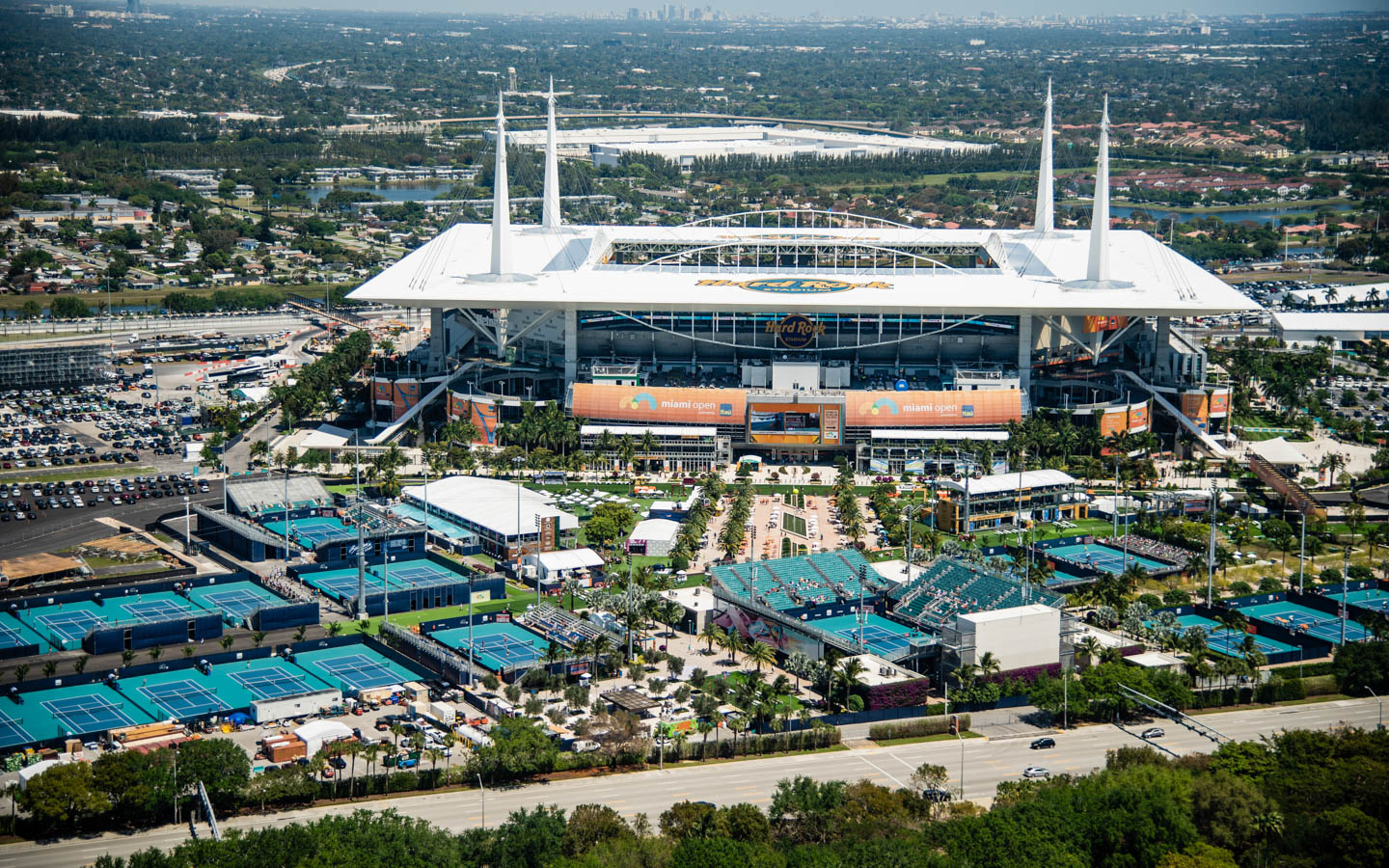
Since 2019, the tournament has been hosted at the Hard Rock Stadium in Miami Gardens. This massive venue, typically known for hosting the Miami Dolphins and the Super Bowl, underwent a significant architectural transformation to accommodate a world-class tennis complex.

Why the Move to Miami Gardens?
The primary driver for the relocation from the lush, island setting of Key Biscayne was the need for modernization. While the older venue had a storied legacy, it lacked the infrastructure to keep pace with the growing demands of modern tennis events. The Hard Rock Stadium offered vast space for parking, high-end hospitality, and the ability to integrate cutting-edge technology that elevates the fan experience.
The Stadium Court Experience
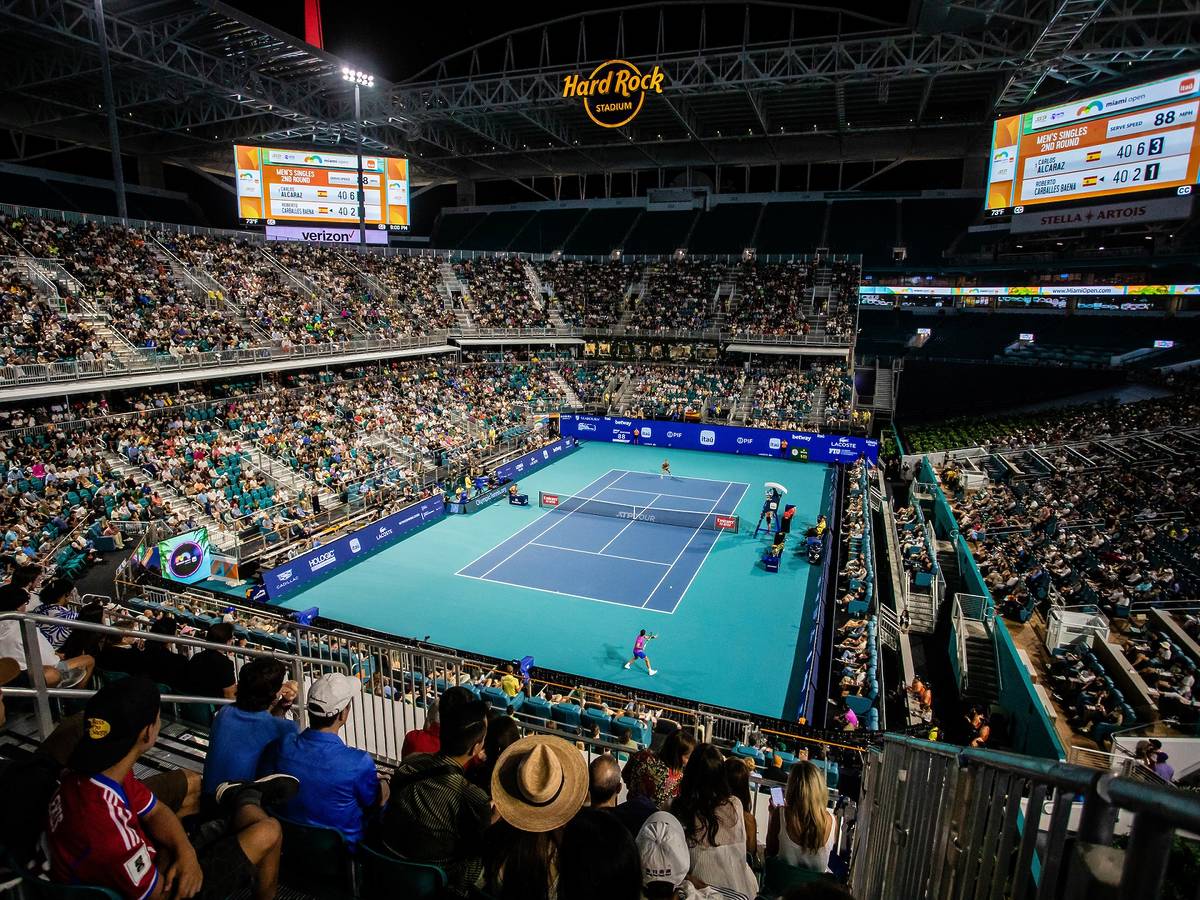
The centerpiece of the tournament is the “Stadium Court,” which is built directly inside the existing footprint of the Hard Rock Stadium. This innovative design allows thousands of fans to watch top-tier matches under the unique acoustics of a major NFL stadium. The move essentially brought the Miami Open into the heart of a metropolitan sports hub, ensuring that the tournament remains competitive on the global stage.
Exploring the Surrounding Area
Traveling to Miami Gardens for the tournament offers more than just tennis. Visitors often utilize the event as a springboard to explore the broader South Florida region. Whether you are coming from Downtown Miami or the beaches, the location provides unique logistical advantages and diverse cultural opportunities.
Proximity to Miami Attractions
While the tournament is held slightly north of the city center, it is highly accessible. Spectators staying in Brickell or South Beach find that the travel time is well worth it for the caliber of players on display. During the event, the area surrounding Miami buzzes with activity, reflecting the vibrant energy of the United States.
Travel Tips for Tournament Goers
- Transportation: While rideshare services are the most popular way to reach Hard Rock Stadium, renting a car allows for more flexibility if you plan to visit nearby landmarks like Everglades National Park.
- Best Time to Visit: The tournament typically takes place in late March, which is arguably the best time to visit South Florida. The humidity is low, the breeze is steady, and the temperatures hover comfortably in the mid-70s to low 80s (Fahrenheit).
- Accommodations: Because the tournament is located inland, many travelers choose to stay in Aventura or Hollywood for shorter commute times, while others prefer the high-end luxury resorts in Bal Harbour.
The Legacy of the Tournament
To truly appreciate where the Miami Open is today, one must acknowledge the rich tapestry of its history. Before arriving in its current home, the tournament helped define the tennis landscape of North America.
The Crandon Park Era
For many tennis purists, the years spent at Crandon Park remain the “golden era.” The intimate setting, framed by palm trees and the Atlantic Ocean, gave the Miami Open a distinct island charm. While the move to Hard Rock Stadium prioritized fan comfort and modern amenities, the history remains a significant part of the tournament’s identity.
Modern Evolution and Global Status
Today, the tournament is classified as an ATP Masters 1000 and a WTA 1000 event. This status ensures that the world’s best players—from icons like Novak Djokovic to rising stars—make the pilgrimage to Miami Gardens every spring. The infrastructure at the Hard Rock Stadium allows for a seamless flow between the practice courts, outer match courts, and the main stadium, creating an immersive experience that keeps tennis fans engaged from sunrise to sunset.
Planning Your Trip to the Miami Open
As you finalize your plans, consider the broader impact of your visit. Tourism in Florida is highly dependent on events like the Miami Open, which serve as economic engines for the region. By attending, you aren’t just watching a match; you are contributing to the cultural and economic lifeblood of the Miami area.
Maximizing Your Stay
- Culinary Exploration: Miami is a melting pot of cultures. Beyond the food options within the stadium, make sure to visit Little Havana for authentic Cuban cuisine or Wynwood for its famous street art and trendy eateries.
- Luxury Experiences: For those looking to elevate their trip, the Four Seasons Hotel or the Ritz-Carlton provide excellent bases for exploring the city after a long day at the courts.
- Local Culture: Take a day off from the tennis to explore Vizcaya Museum and Gardens, a stunning historic estate that showcases the architectural history of the region.
The Future of the Tournament
While there have been discussions regarding potential future moves or further modifications to the Hard Rock Stadium site, the tournament currently has a secure, long-term home in Miami Gardens. The success of the facility in hosting not only tennis, but also Formula 1 races at the Miami International Autodrome, cements its status as one of the premier sports destinations in the United States.
Whether you are a casual fan looking for a fun day out or a dedicated tennis aficionado traveling to support your favorite athlete, the Miami Open offers an unparalleled blend of sport, luxury, and tourism. As the tournament continues to evolve, it remains an essential highlight on any travel itinerary for those visiting the beautiful coast of Florida.
LifeOutOfTheBox is a participant in the Amazon Services LLC Associates Program, an affiliate advertising program designed to provide a means for sites to earn advertising fees by advertising and linking to Amazon.com. Amazon, the Amazon logo, AmazonSupply, and the AmazonSupply logo are trademarks of Amazon.com, Inc. or its affiliates. As an Amazon Associate we earn affiliate commissions from qualifying purchases.