
The shimmering skyline of Miami, with its Art Deco district and bustling waterfront, represents one of the most recognizable urban landscapes in the United States. Yet, the origins of this tropical metropolis are far more singular than those of many other American cities. While many cities grew from accidental trade outposts or colonial outposts, the emergence of Miami as a major city is inextricably linked to the visionary persistence of one woman: Julia Tuttle.
The Mother of Miami: The Vision of Julia Tuttle
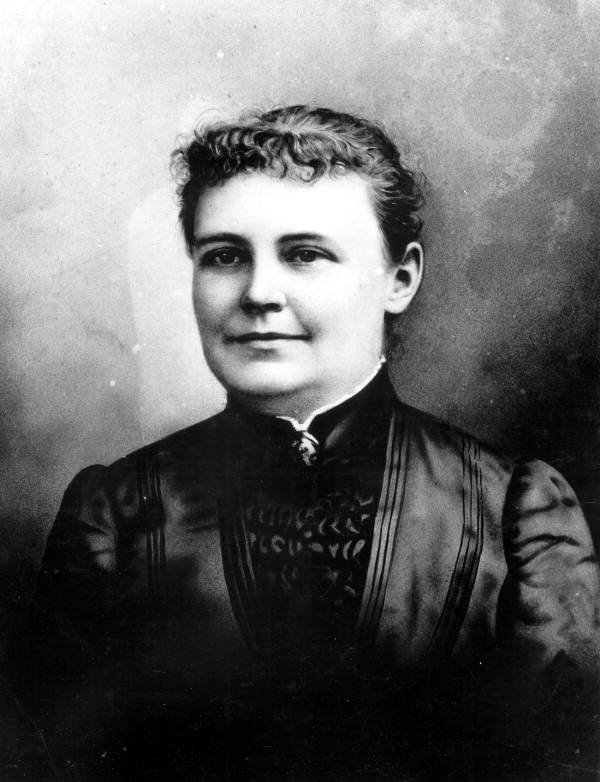
For years, the area now known as Miami was considered a mosquito-ridden swamp, often dismissed by developers and railroad magnates who looked further north to Palm Beach for expansion. Julia Tuttle, a businesswoman from Cleveland, Ohio, saw something that others ignored. Having inherited a massive citrus grove along the Miami River from her father, Tuttle moved permanently to Florida in 1891 with a grand ambition to turn the wilderness into a thriving trade hub.
The Great Freeze of 1894
History is rarely shaped by weather, but the Great Freeze of 1894 proved to be the turning point for Miami. As crops were decimated across Florida, the groves in the Biscayne Bay region survived the frost unscathed. Julia Tuttle famously sent a bouquet of fresh orange blossoms to Henry Flagler, a co-founder of Standard Oil and a titan of the railroad industry, to prove that the area was a climate anomaly capable of supporting a year-round economy. This strategic move convinced Flagler to extend his Florida East Coast Railway from West Palm Beach down to the mouth of the Miami River, effectively placing Miami on the map.
The Architectural Legacy and the Florida East Coast Railway
With the arrival of the railroad in 1896, the region transformed from a remote outpost into a burgeoning municipality. Henry Flagler did not just bring tracks; he invested heavily in the infrastructure required to turn a swamp into a tourist destination. He dredged the harbor, laid out city streets, and financed the construction of the Royal Palm Hotel, a luxury resort that served as the primary anchor for elite travelers coming to the region.
The Birth of Modern Infrastructure
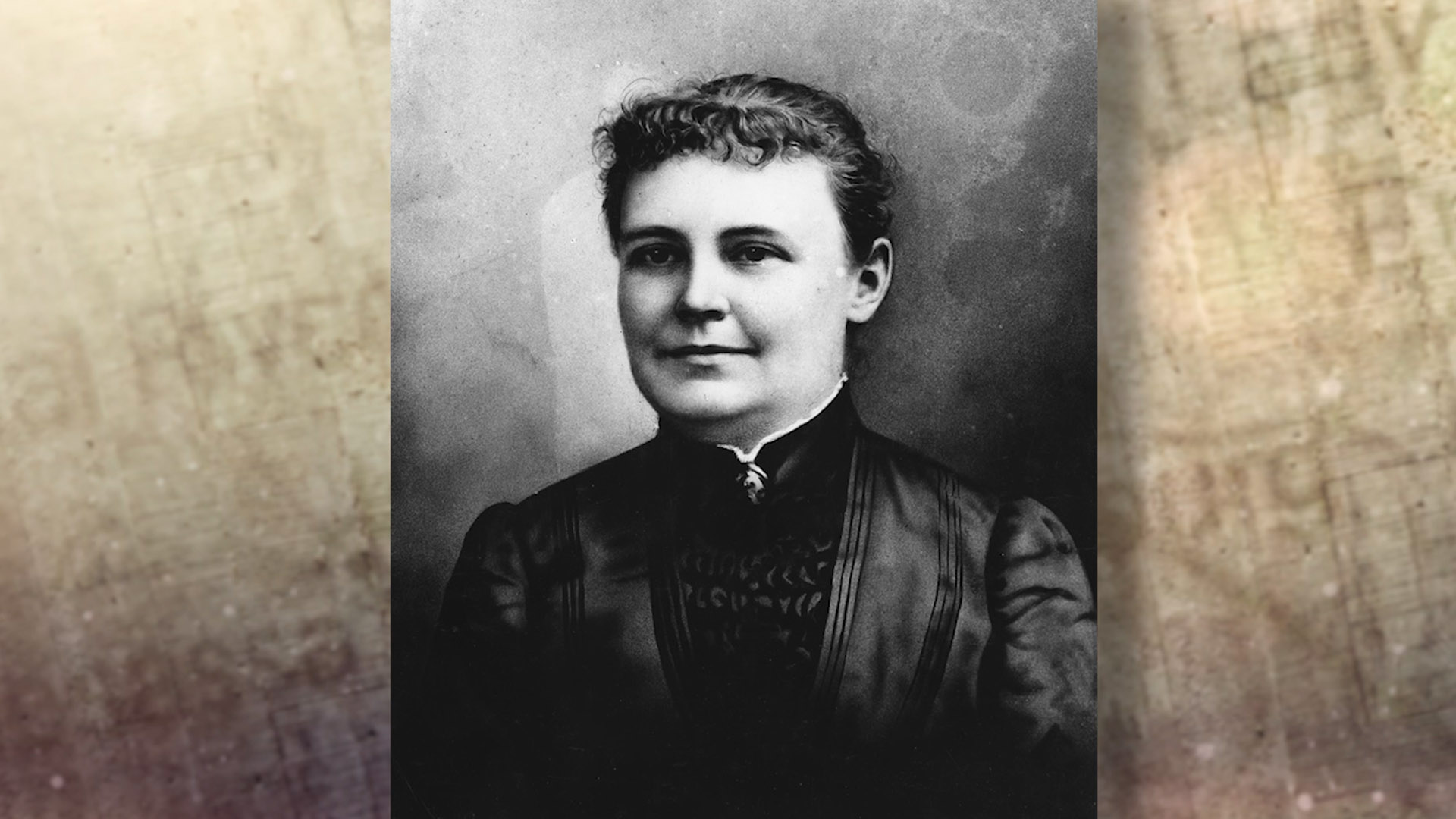
The rapid development of the city necessitated a formal incorporation. On July 28, 1896, the city was officially incorporated, with local residents voting for the name “Miami,” derived from the Mayaimi people who originally inhabited the region around Lake Okeechobee. Julia Tuttle played a hands-on role in this process, donating the land necessary for the construction of roads and the city’s early public buildings. Her partnership with Flagler created a blueprint for development that emphasized high-end tourism and transportation connectivity—a model that still influences Miami today.
Indigenous History and Pre-Colonial Roots
While the formal “founding” of Miami is credited to the late 19th-century industrial movement, the land had been a site of human habitation for thousands of years. Before it was a luxury travel destination, the area surrounding Biscayne Bay was home to the Tequesta people. Their presence is still evidenced by the Miami Circle, an archaeological site discovered in the late 1990s in downtown Miami.
Preserving the Past
The Miami Circle consists of a series of postholes and basins carved into the limestone bedrock, suggesting a sophisticated ceremonial structure utilized by the Tequesta as far back as 2,000 years ago. This discovery serves as a powerful reminder that Miami has layers of history far deeper than the Art Deco facades of South Beach. Throughout the colonial era, the region saw brief occupations by the Spanish and British, but it remained largely undeveloped until the arrival of the railroad, which serves as the bridge between the ancient, native Florida and the modern metropolitan center.
The Evolution of Miami: From Frontier to Global Hub
In the decades following its founding, Miami experienced cycles of unprecedented boom and bust. The 1920s land boom solidified the city’s status as a playground for the wealthy, bringing an influx of architects who defined the region’s aesthetic. Buildings designed in the Mediterranean Revival and later Art Deco styles began to dot the landscape, creating the unique urban character that travelers flock to today.

The Role of Tourism in Development
The city’s growth trajectory shifted significantly in the mid-20th century, as it transitioned from a seasonal retreat for the Gilded Age elite to a global gateway. The influence of Henry Flagler’s early investments cannot be overstated; by establishing Miami as a rail terminus, he ensured the city would have a steady stream of visitors. This focus on hospitality encouraged the development of sprawling resorts, luxury boutiques, and cultural landmarks that define the contemporary travel industry in Florida.
Today, when visitors walk through the historic corridors of Coral Gables or look out over the yachts in Coconut Grove, they are interacting with a city that was meticulously planned to be a jewel of the south. The dual founders—Julia Tuttle, the visionary behind the potential, and Henry Flagler, the executor of the infrastructure—gave Miami the backbone it needed to survive hurricanes, economic shifts, and the rapid pace of change in the 21st century.
The city’s identity remains a unique tapestry of its Spanish heritage, its indigenous roots at Biscayne Bay, and the relentless ambition of its late 19th-century founders. Whether one is visiting to experience the nightlife of Brickell or the history embedded in the architecture of the downtown district, the spirit of Julia Tuttle lives on in the city’s refusal to be anything less than extraordinary. Her gamble on an orange grove in the wilderness is the foundational myth of Miami, a story that explains why the city continues to thrive as a hub of global culture and leisure.
LifeOutOfTheBox is a participant in the Amazon Services LLC Associates Program, an affiliate advertising program designed to provide a means for sites to earn advertising fees by advertising and linking to Amazon.com. Amazon, the Amazon logo, AmazonSupply, and the AmazonSupply logo are trademarks of Amazon.com, Inc. or its affiliates. As an Amazon Associate we earn affiliate commissions from qualifying purchases.