
When considering a trip to the “City of Lakes,” potential visitors often find themselves parsing through conflicting headlines and data sets. Minneapolis is a vibrant urban center in Minnesota, known for its cultural depth, extensive park systems, and robust dining scene. However, like any major metropolitan area in the United States, it has faced challenges in recent years that lead many travelers to ask: is it safe to visit?
Understanding the safety profile of this destination requires a nuanced look at geography, urban planning, and the distinction between typical tourist experiences and localized crime statistics. For the vast majority of visitors, a trip to this city is no more hazardous than a visit to any other major American city of a similar size.

Navigating the Urban Landscape: Where to Stay and Explore
Safety in any city is often a matter of “where” rather than “what.” In Minneapolis, the primary tourist and business activities are concentrated in specific, well-lit, and heavily trafficked districts.
The Downtown Core and Skyway System
The central business district remains the primary hub for travelers. One of the city’s most unique features is the Minneapolis Skyway System. This 9.5-mile network of enclosed, second-level bridges connects dozens of blocks, allowing residents and visitors to move between office towers, hotels, and shopping centers without ever stepping onto the street. From a safety perspective, the skyway acts as a secure, climate-controlled conduit that stays active during business hours and events, providing an added layer of comfort for those navigating the urban core.
Popular Tourist Neighborhoods
Outside of the immediate downtown, neighborhoods such as North Loop and Uptown are popular destinations. The North Loop has seen a massive revitalization, turning old warehouse districts into luxury lofts, trendy breweries, and upscale dining. These areas are characterized by high foot traffic, strong policing, and a constant rotation of people, which generally contributes to a lower likelihood of targeted street crime against visitors.
Understanding Crime Trends and Reality for Tourists
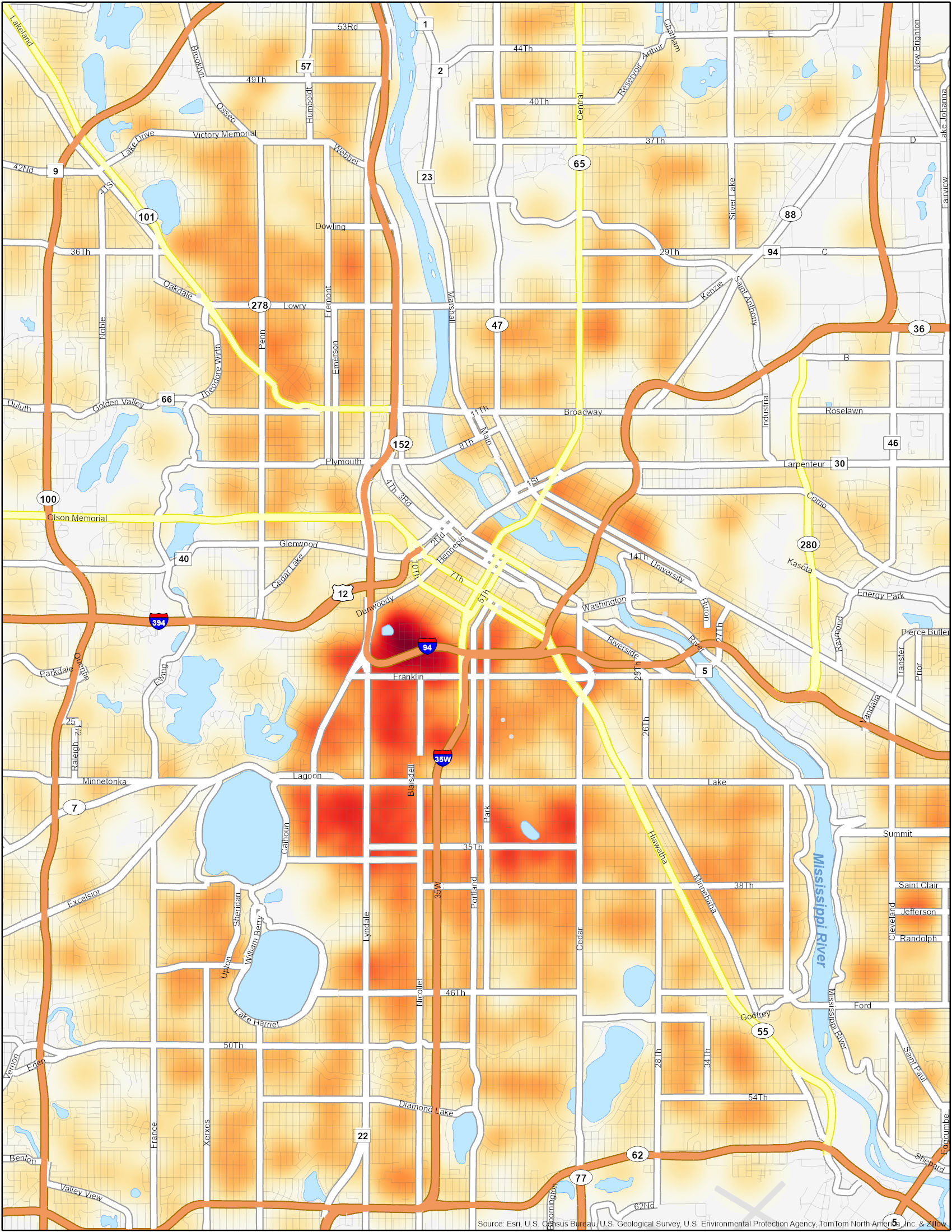
It is important to differentiate between statistical crime reports and the actual experience of a visitor. Most reported crime in the city is concentrated in specific residential pockets far removed from tourist attractions and major entertainment venues.

Crime Statistics vs. Visitor Experience
Statistical data regarding urban crime often includes domestic disputes or isolated incidents in areas that travelers simply do not frequent. Violent crime in the city is rarely random or directed at tourists. Like most major cities, property crime—such as vehicle break-ins—is the most common concern. To mitigate this risk, visitors are advised to follow standard urban safety protocols:
- Keep valuables out of sight when parking in public lots.
- Utilize hotel parking garages rather than leaving vehicles on the street overnight.
- Stay aware of your surroundings when walking at night, particularly in less-trafficked industrial zones.
The Role of Law Enforcement and Community Safety
The city has invested significantly in community-led safety initiatives and increased patrols in entertainment corridors. During events at the Target Center or U.S. Bank Stadium, the presence of law enforcement is highly visible. This “eyes-on-the-street” approach is a standard, effective deterrent that makes attending a concert or a Minnesota Vikings game a low-risk endeavor.
Enjoying the City’s World-Class Amenities Safely
The reason so many people continue to flock to the city is its exceptional quality of life and access to nature. The safety of the city is best contextualized by how seamlessly it integrates urban living with the great outdoors.
Parks and Recreation
The Minneapolis Park System is consistently ranked among the best in the nation. Landmarks like Chain of Lakes and Minnehaha Falls attract thousands of families, joggers, and cyclists daily. These spaces are inherently safe, maintained by the city, and filled with residents enjoying the fresh air. As with any park in a major city, it is recommended to enjoy these areas during daylight hours and stick to well-marked paths.
Cultural and Culinary Hotspots
The culinary scene, particularly in areas like Eat Street or near Nicollet Mall, is a testament to the city’s growth. When visiting these spots, normal city caution applies: use rideshare apps late at night rather than walking through unfamiliar residential neighborhoods, and stay in well-lit, populated areas. By utilizing the same common-sense precautions one would use in Chicago or Seattle, travelers can focus on the food and culture rather than worrying about safety.
Practical Tips for a Secure Visit
If you are planning a trip to Minneapolis, consider the following guidelines to ensure your stay remains professional, enjoyable, and safe.
- Leverage Public Transit Wisely: The METRO Transit system is an efficient way to get around. Stick to the light rail during active hours, and if you are traveling late, do not hesitate to use private taxi or rideshare services to travel door-to-door.
- Hotel Selection: Choose accommodations in well-established districts like Downtown Minneapolis or the Mill District. These areas have 24/7 security, hotel staff on-site, and are proximal to police beats.
- Stay Informed: Before heading out for the day, check local news outlets or your hotel concierge for information regarding events or large gatherings. Avoiding areas with major demonstrations or protests is a standard practice for maintaining a stress-free travel itinerary.
- Trust Your Instincts: This is the most universal rule of travel. If a street seems unusually quiet or feels “off,” simply turn around and head toward a more populated thoroughfare.
Ultimately, Minneapolis remains a destination characterized by its warmth, resilience, and incredible local culture. While no city is entirely immune to the complexities of urban life, the risks to tourists are minimal when travelers exercise basic awareness. By staying within established tourist corridors and enjoying the city’s world-renowned parks and arts, visitors will find that the city offers a safe, welcoming, and enriching experience in the heart of the Midwest.
LifeOutOfTheBox is a participant in the Amazon Services LLC Associates Program, an affiliate advertising program designed to provide a means for sites to earn advertising fees by advertising and linking to Amazon.com. Amazon, the Amazon logo, AmazonSupply, and the AmazonSupply logo are trademarks of Amazon.com, Inc. or its affiliates. As an Amazon Associate we earn affiliate commissions from qualifying purchases.