
Understanding the climate of Minneapolis is essential for anyone planning a visit to the “City of Lakes.” Located in the heart of the United States, this urban hub experiences a true four-season climate, where the temperature swings can be as dramatic as the city’s cultural landscape. Whether you are arriving to explore the indoor wonders or the sprawling park systems, knowing the thermal reality of the region is the first step in successful itinerary planning.
The Seasonal Rhythm of Minnesota Weather
The temperature in Minnesota is not static; it is a rhythmic dance between intense continental extremes. Because the state lacks the moderating influence of large mountain ranges or nearby oceans, it is exposed to frigid air masses from the Arctic and warm, humid air flows from the Gulf of Mexico.

Winter: The Deep Freeze
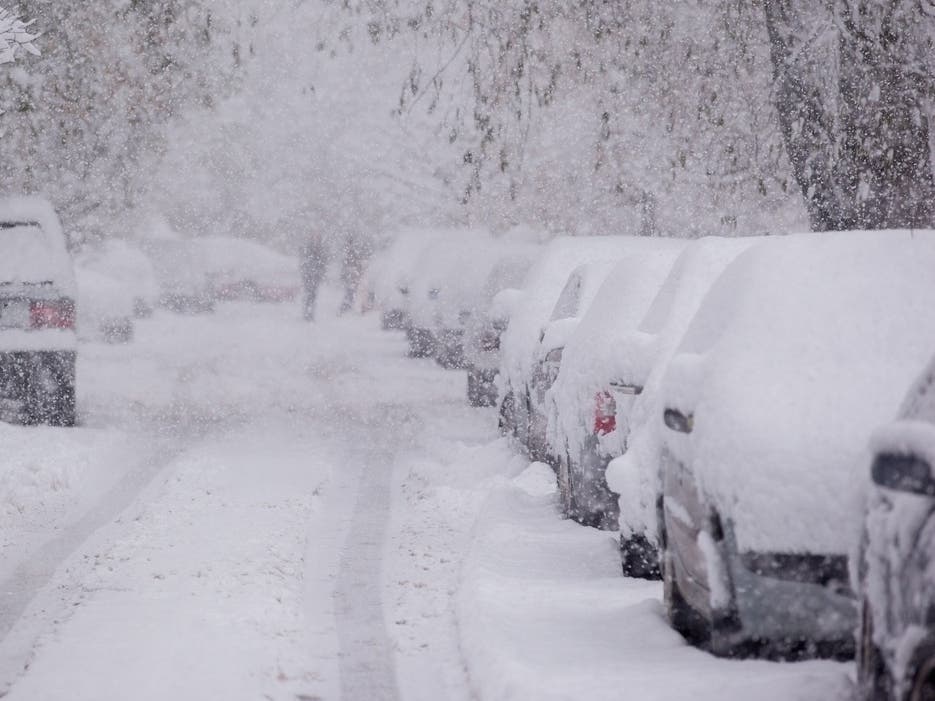
From December through February, Minneapolis transforms into a crystalline wonderland. While temperatures often dip well below freezing, the city is remarkably well-equipped to handle the cold. Local life continues unabated, shielded by the innovative skyway system—a network of glass-enclosed pedestrian bridges that connect major downtown buildings. Visitors often find that while the thermometer might read 10°F (-12°C), the experience of walking through the city remains pleasant and comfortable.
Summer: Warmth and Humidity
Conversely, summer in the Midwest brings a welcome thaw. Temperatures typically climb into the 70s and 80s°F (21°C–30°C). This is the prime season for exploring the Chain of Lakes or visiting the Minneapolis Sculpture Garden. The heat is often accompanied by moderate humidity, which makes the lush green spaces of the city pop with vibrancy, inviting locals and tourists alike to spend their evenings outdoors.
Microclimates and Urban Heat Island Effects
When asking about the current temperature, it is helpful to understand how the urban environment influences local readings. Minneapolis experiences what meteorologists call the “Urban Heat Island” effect. The density of concrete, asphalt, and steel buildings absorbs and retains heat, often making the downtown core several degrees warmer than the surrounding suburban areas or the dense foliage of Theodore Wirth Regional Park.
Why Location Within the City Matters
If you are planning to spend your day at the Mall of America in nearby Bloomington, you are essentially navigating an indoor climate-controlled environment where the external temperature becomes secondary. However, if your plans involve walking the banks of the Mississippi River, you will notice that the water temperature influences the immediate breeze. During the shoulder seasons—spring and autumn—being near these large bodies of water can make the air feel crisper and cooler than the official city-wide forecast might suggest.

How to Check Real-Time Conditions
To get an accurate pulse on the weather, it is recommended to check localized stations rather than generic national forecasts. High-altitude sensors atop landmarks like the IDS Center provide different readings than those located near the airport. For the modern traveler, utilizing mobile applications that provide “Feels Like” temperatures—which account for wind chill in the winter and heat index in the summer—is vital. In this region, the wind is often the deciding factor in how your day will unfold.
Dressing for the Changing Temperatures
The golden rule for navigating the temperature in Minneapolis is the philosophy of layering. Because you may find yourself moving from a sub-zero street to a heated museum like the Minneapolis Institute of Art, the ability to shed and add layers is a necessity.
Essential Layers for Any Season
- Base Layer: Moisture-wicking fabrics are ideal to keep sweat away from the skin, preventing chills during the winter and discomfort during summer excursions.
- Mid-Layer: A wool or fleece sweater is the gold standard for trapping body heat. It serves as an insulator that can be easily tucked into a bag.
- Outer Shell: A wind-resistant, water-repellent jacket is your best defense against the unpredictable nature of North American mid-continental weather. Even in the height of summer, a light shell is useful for evening strolls along the Stone Arch Bridge.
Adapting to Temperature Shifts
If you are traveling for business, keep in mind that office buildings in the Twin Cities maintain consistent, moderate temperatures year-round. Conversely, if you are engaging in outdoor activities like ice skating at Lake Harriet, your attire should focus heavily on extremity protection—gloves, hats, and wool socks—to manage the cold air exposure.
Seasonal Activities Based on Thermal Trends
The temperature acts as a gatekeeper for what the city has to offer. By aligning your expectations with the expected weather, you can maximize your enjoyment of the local culture.
Winter Wonders and Indoor Culture
When the mercury drops, the city turns its focus inward. The Guthrie Theater becomes a sanctuary of art and performance. When the temperature is low, the crowds are smaller, and the hotel rates often become more attractive, providing a luxury experience at a fraction of the cost. The crisp, cold air also makes the hot, savory local cuisine—often featuring hearty Midwestern staples—feel particularly satisfying.
Summer Adventures and Open Spaces
When the temperature rises into the comfortable range, the city opens up. Cycling enthusiasts flock to the Midtown Greenway, a dedicated path that serves as a highway for bikes through the city. The ambient temperature in summer is perfect for festivals, outdoor markets, and the Minnesota State Fair, which takes place as the heat begins to gently wane toward the end of August.
Understanding the temperature is not merely about checking a number on a screen; it is about understanding how Minneapolis breathes. Whether you are visiting in the dead of winter or the height of summer, the city’s climate is a fundamental part of the adventure. By being prepared for the fluctuations and embracing the unique seasonal rhythms, you will find that the weather here is not just something to endure, but a core component of the vibrant Minnesota experience. Always check the forecast, pack your layers, and prepare to discover a city that remains active, inviting, and architecturally stunning, regardless of what the thermometer says.
LifeOutOfTheBox is a participant in the Amazon Services LLC Associates Program, an affiliate advertising program designed to provide a means for sites to earn advertising fees by advertising and linking to Amazon.com. Amazon, the Amazon logo, AmazonSupply, and the AmazonSupply logo are trademarks of Amazon.com, Inc. or its affiliates. As an Amazon Associate we earn affiliate commissions from qualifying purchases.