
Understanding the local time in Minneapolis is the first step toward mastering the rhythm of this vibrant Midwestern hub. As the largest city in Minnesota, this urban center operates on Central Standard Time (CST) during the winter months and transitions to Central Daylight Time (CDT) from mid-spring through early autumn. Whether you are arriving for a business engagement or a weekend getaway, syncing your watch to the local clock is essential for navigating the city’s dense network of culture, commerce, and connection.
Navigating the Central Time Zone
The heartbeat of Minneapolis is synchronized with the Central Time Zone, a region that spans much of the central United States. This positioning dictates not just the arrival and departure times of flights at Minneapolis-Saint Paul International Airport, but also the operating hours of its renowned cultural institutions and local businesses.
The Seasonal Shift: Daylight Saving Time
Like most of the United States, Minnesota observes Daylight Saving Time. This means that if you are visiting during the summer months, you will be operating on Central Daylight Time (CDT), which is UTC-5. During the colder winter months, the region shifts back to Central Standard Time (CST), which is UTC-6. Travelers from abroad or from the coasts should take a moment upon arrival to verify their device settings, as local cellular networks will automatically adjust to ensure your schedule remains accurate.
Strategic Planning for Visitors
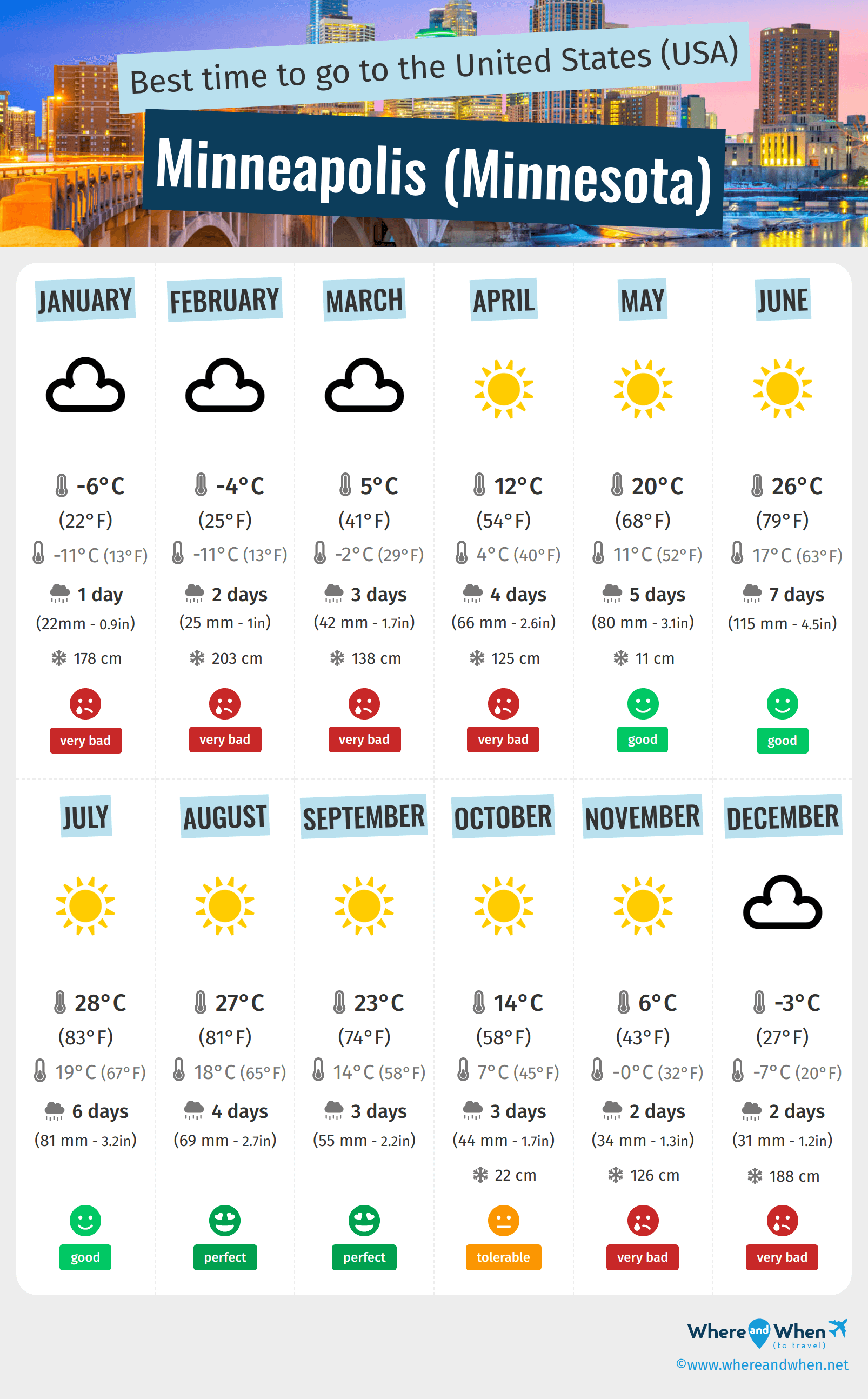
Time management is critical when planning a visit to Minneapolis. Because the city is known for its extreme seasonal shifts, the “best time” to engage with certain attractions often fluctuates with the clock. During the summer, daylight lingers late into the evening, providing ample time to explore the Chain of Lakes well after traditional working hours. Conversely, winter sunsets arrive much earlier, necessitating a shift toward the city’s famous indoor amenities, such as the extensive Skyway System.
Maximizing Your Itinerary by the Clock
Once you have confirmed that your watch matches the local time in Minneapolis, you can begin to optimize your schedule. The city is designed for efficiency and exploration, with distinct neighborhood pockets that offer varying experiences depending on the hour of the day.

Morning Rituals and Peak Activity
The city wakes up early, particularly in the North Loop district, where high-end coffee shops and artisan bakeries set the tempo for the day. If you are aiming to visit popular sites like the Minneapolis Institute of Art, it is advisable to arrive shortly after opening hours. This strategy allows you to navigate the extensive galleries before the mid-afternoon crowds descend. Similarly, those hoping to stroll through the Minneapolis Sculpture Garden will find that the early morning light provides the best conditions for photography and quiet contemplation of iconic pieces like the Spoonbridge and Cherry.
Mid-Day Efficiency in the Business District
The downtown core of Minneapolis operates on a fast-paced rhythm, especially during the lunch hour. Business travelers will find that the Skyway System is most crowded between 11:30 AM and 1:00 PM local time. Planning your transit through these elevated walkways outside of this window will save you significant time and help you avoid the bustle of the local workforce navigating between offices and dining hubs.
Evening Transitions and Nightlife
As the clock moves into the evening, the focus of the city shifts toward the Warehouse District and the riverfront. Dining reservations at premier establishments near St. Anthony Falls are highly sought after, and adhering to the local time is vital for maintaining your bookings. Whether you are catching a performance at the Guthrie Theater or exploring the nightlife on Hennepin Avenue, keeping a close watch on the time ensures you won’t miss the start of a show or the last call at a local venue.
Understanding Seasonal Time Impacts
The temporal experience of Minneapolis is inextricably linked to the sun. The geography of the upper Midwest means that the length of the day changes dramatically throughout the year. Recognizing these shifts is as important as knowing the numerical time on your watch.
Summer: The Season of Endless Exploration
During the peak of summer, sunset can occur as late as 9:00 PM or later in Central Daylight Time. This extended daylight is a major draw for visitors who want to maximize their outdoor activities. You can spend a full day exploring Minnehaha Regional Park and still have plenty of time to enjoy dinner on an outdoor patio. The psychological effect of this extended clock is a more relaxed, leisure-oriented pace that defines the Minnesota summer experience.
Winter: Embracing the Indoor Clock
In contrast, winter brings shorter days where the sun may set by 4:30 PM Central Standard Time. While this might seem restrictive, it is part of the city’s unique character. The early darkness turns the city’s attention toward its vibrant indoor culture. Evenings become intimate, centered around world-class restaurants, cozy bars, and performances. Understanding this cycle helps travelers adjust their expectations; rather than fighting the early night, successful visitors lean into the “hygge” culture that thrives during the winter months, spending their hours in warm, inviting spaces protected from the elements.

Tips for Travelers Adjusting to Local Time
If you are traveling across multiple time zones to reach Minneapolis, consider the following to minimize jet lag and maximize your stay:
- Gradual Adjustment: Begin adjusting your sleep schedule by an hour each day in the three days leading up to your arrival.
- Hydration and Movement: Upon arrival, engage in light outdoor activity. Walking through the Mississippi National River and Recreation Area can help reset your internal clock as you breathe in the fresh local air.
- Utilize Local Resources: Check the current time through reliable digital sources or the clocks prominently displayed in public squares throughout Downtown Minneapolis. Most hotel lobbies will also provide accurate, synchronized time to assist their guests in planning their daily excursions.
By anchoring your activities to the local time and respecting the natural rhythms dictated by the sun and the seasons, you can navigate Minneapolis with the ease and confidence of a local. Whether you are here for a brief professional stint or an extended vacation, knowing exactly what time it is provides the foundation for an unforgettable experience in the heart of the Midwest.
LifeOutOfTheBox is a participant in the Amazon Services LLC Associates Program, an affiliate advertising program designed to provide a means for sites to earn advertising fees by advertising and linking to Amazon.com. Amazon, the Amazon logo, AmazonSupply, and the AmazonSupply logo are trademarks of Amazon.com, Inc. or its affiliates. As an Amazon Associate we earn affiliate commissions from qualifying purchases.